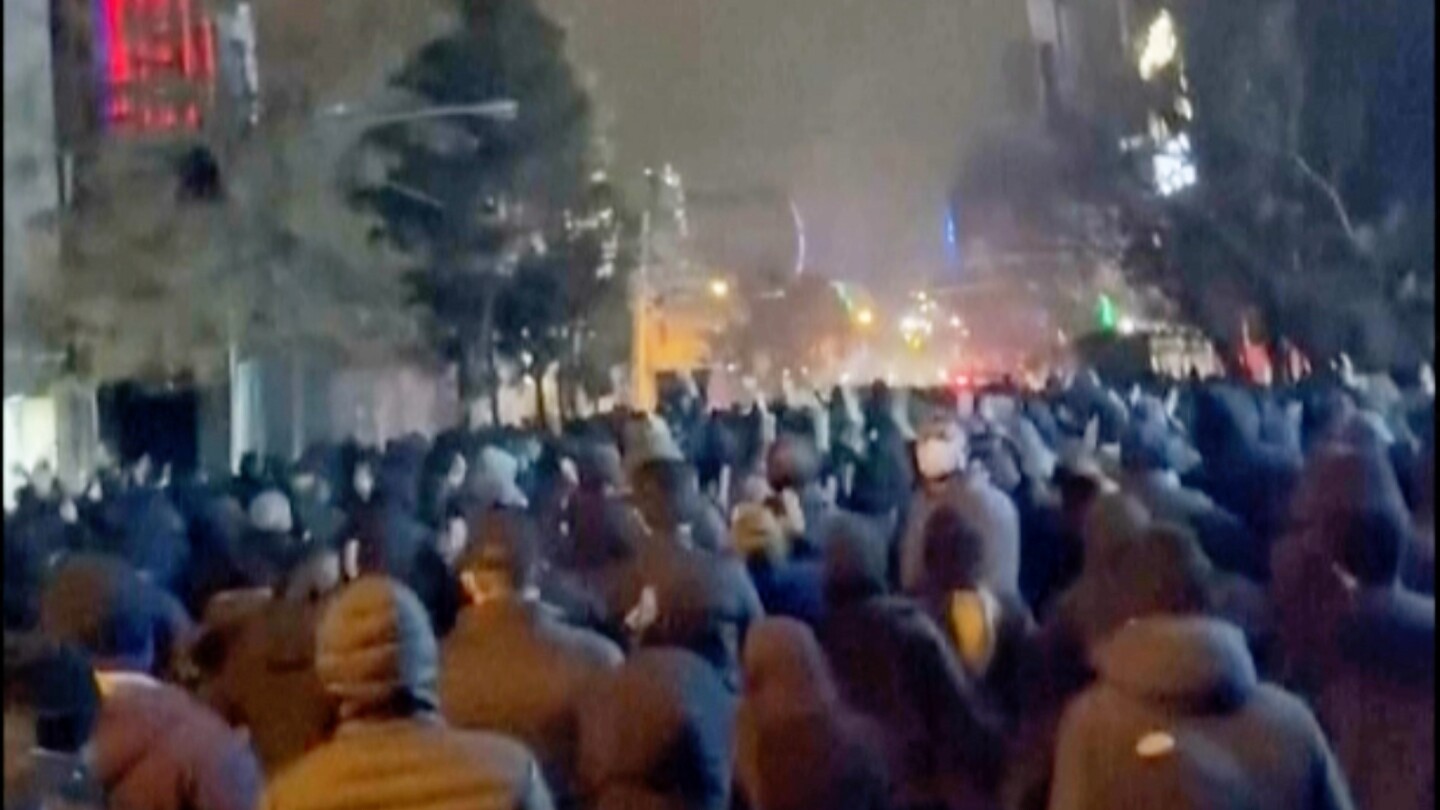
In a recent development, U.S. President Donald Trump has announced that Iran is expressing interest in negotiating with Washington. This comes in the wake of his threats to retaliate against Iran following its harsh measures against protesters, an action that activists claim has resulted in over 646 deaths.
Although Iran has not officially responded to Trump’s statements, the visit of Oman’s foreign minister, a traditional mediator between the U.S. and Iran, to Tehran suggests potential diplomatic activity. However, the specifics of what Iran might offer remain ambiguous, especially given Trump’s firm demands concerning Iran’s nuclear and missile programs.
Iranian Foreign Minister Abbas Araghchi addressed foreign diplomats in Tehran, claiming control over the situation and attributing the unrest to interference by Israel and the U.S., as reported by Al Jazeera. Despite these accusations, Araghchi emphasized Iran’s openness to diplomatic engagement.
Iranian Foreign Ministry spokesman Esmail Baghaei also noted that communication channels with the U.S. are still open, emphasizing the need for negotiations that respect both parties’ interests.
In a show of support for Iran’s theocratic government, pro-government demonstrators took to the streets in large numbers on Monday. This follows days of protests challenging Supreme Leader Ayatollah Ali Khamenei’s rule. State television broadcasted the event, capturing chants against the U.S. and Israel.
Karoline Leavitt, White House press secretary, mentioned a contrast between Iran’s public statements and private communications. She indicated President Trump’s willingness to explore these communications, highlighting his readiness to use military options if deemed necessary.
Trump’s Strategic Considerations
The Trump administration is currently evaluating various strategies in response to Iran’s actions, including potential cyber and military strikes by the U.S. or Israel. Trump stated, “The military is looking at it, and we’re looking at some very strong options.”
Additionally, Trump has announced the imposition of a 25% tariff on countries engaging in trade with Iran, effective immediately, as a measure to exert pressure on Tehran.
While Trump has hinted at potential meetings with Iranian officials, he remains cautious given the rising death toll and continued arrests of protesters. He remarked, “Iran wants to negotiate,” suggesting Iran’s fatigue with U.S. pressures.
Meanwhile, Iran has warned that any military action by the U.S. or Israel would justify targeting them in defense of their national interests.
Reports indicate that over 10,700 individuals have been detained during the protests, with the U.S.-based Human Rights Activists News Agency providing the latest figures despite the communication blackout within Iran.
The media blackout has made it challenging to verify the scale of the protests, although online videos suggest continued unrest. Iranian officials have acknowledged ongoing demonstrations in state media.
On Monday afternoon, state television aired images of large crowds marching in Tehran, promoting it as an uprising against “American-Zionist terrorism” while downplaying the economic grievances fueling the protests.
Tension and Fear in Tehran
In Tehran, reports indicate a climate of fear, with streets emptying during evening prayer times due to concerns over the crackdown. Police have issued warnings via text messages, cautioning against participation in protests.
The demonstrations, which began on December 28, were initially sparked by the declining Iranian rial and have since evolved into broader challenges against the regime. The economic strain is partly attributed to international sanctions related to Iran’s nuclear ambitions.