Indonesia and US Forge New Economic Path with Trade Deal
In a strategic shift, Indonesia and the United States have established a new trade agreement, enhancing economic connections by aligning Indonesia’s vast resources and energy ambitions with the strategic interests of the US.
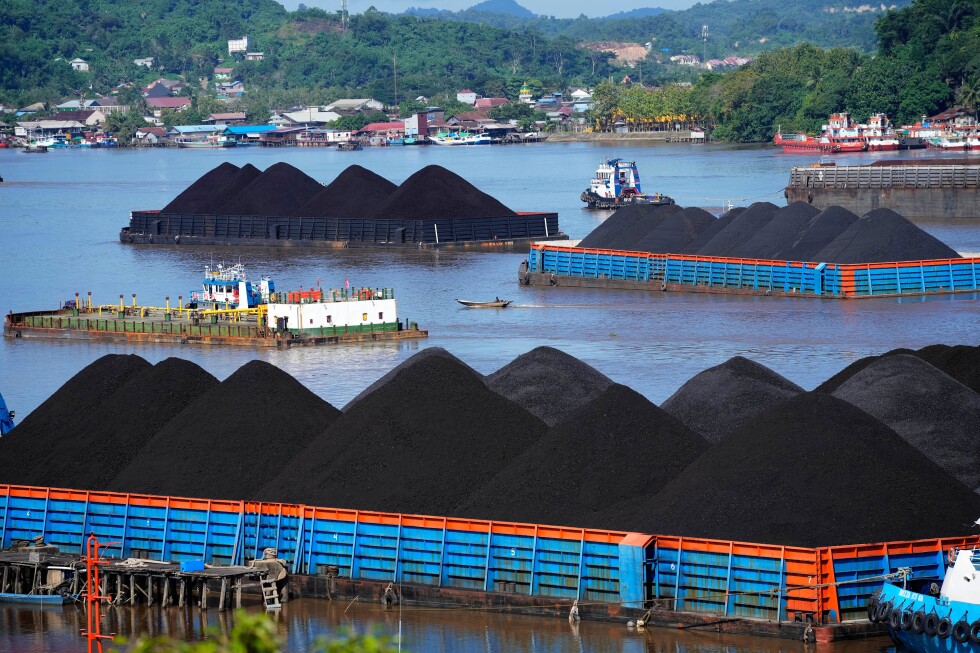
Indonesia has consented to broaden opportunities for American investments in its critical mineral sector, increase its import of US crude oil and liquefied petroleum gas, support the creation of an American coal export route, and collaborate on small modular nuclear reactors.
In return, the US has lowered a previously threatened 32% tariff on Indonesian goods to 19% and provided greater market access, offering zero-tariff entry for significant Indonesian exports like palm oil, coffee, cocoa, spices, and rubber.
The implementation of this agreement might be influenced by the US Supreme Court’s decision against former President Trump’s tariffs. However, the deal aligns with the US’s long-term objectives to secure critical mineral supply chains, increase its oil and gas exports, and reduce reliance on China.
Southeast Asian Economies Monitor US-Indonesia Trade Relations
Other Southeast Asian countries dependent on exports, such as Vietnam, are closely observing the trade dynamics between Indonesia and the US to gauge potential tariff levels and concessions the US might seek in the region.
As the leading producer of nickel globally, Indonesia boasts extensive mineral reserves crucial for electric vehicles and clean energy systems. The nation finds itself navigating the competing goals of the US and China, a major investment source and market for Indonesian coal and nickel, according to analysts.
US and China Compete for Influence in Indonesia’s Mineral Sector
China aims to dominate the electrification and battery supply chain sectors, whereas the US is focusing on expanding access to minerals alongside increasing fossil fuel exports.
Haryo Limanseto from Indonesia’s Coordinating Ministry for Economic Affairs commented on the energy aspects of the deal, stating that they “balance foreign trade and meet domestic energy needs.”
Putra Adhiguna from the Jakarta-based Energy Shift Institute noted, “The leadership of Indonesia is trying to tread a fine line between the West and China,” highlighting the unavoidable influence of China as Indonesia’s primary trading partner.
US Secures Access to Indonesia’s Rich Mineral Deposits
Indonesia has committed to fostering US investment across its mineral industry, including exploration, mining, refining, transport, and export activities. American investors will receive treatment comparable to domestic firms in certain contexts.
Export restrictions on critical minerals to the US will be eased to accelerate the development of Indonesia’s rare earths and critical minerals sector with US partners, promising “greater certainty” for companies involved in extraction to boost production, as per the agreement.
Indonesia Expands US Energy Imports
Indonesia has committed to streamlining processes to facilitate the purchase of US energy products by its companies.
The nation plans to buy $15 billion worth of American energy commodities over an unspecified timeframe, predominantly fossil fuels such as liquefied petroleum gas, crude oil, and gasoline.
Efforts initiated by former President Trump to increase American LNG purchases by Asian countries have gained traction during trade discussions, with energy acquisitions serving as a means to balance trade differences.
Energy Transition Policies Undergo Shift
This agreement marks a departure from previous US-Indonesia cooperation aimed at reducing emissions. In 2022, Indonesia joined the Just Energy Transition Partnership, a substantial deal with the US and other nations supporting reduced coal use and expanded clean energy. Despite the US withdrawal, Indonesian officials maintain that the $21.4 billion partnership will proceed.
Uncertainty Looms Over Trade Deal’s Future
The recent US Supreme Court decision against Trump’s global tariffs, announced shortly after the trade deal, has cast uncertainty on its future. The agreement must be ratified by Indonesia’s parliament to take effect, adding a “layer of uncertainty,” according to Meha Sitepu from The Asia Group.
Some provisions of the agreement have faced criticism, particularly those perceived as weakening Indonesia’s halal certification requirements in the predominantly Muslim nation.