Economic Impact of U.S.-Iran Tensions Felt by American Households
For millions across the United States, the ongoing conflict with Iran has transcended political discourse, revealing its influence in everyday financial dealings. This conflict is manifesting most prominently through rising expenses at fuel stations and grocery stores nationwide.
Rising Fuel Costs
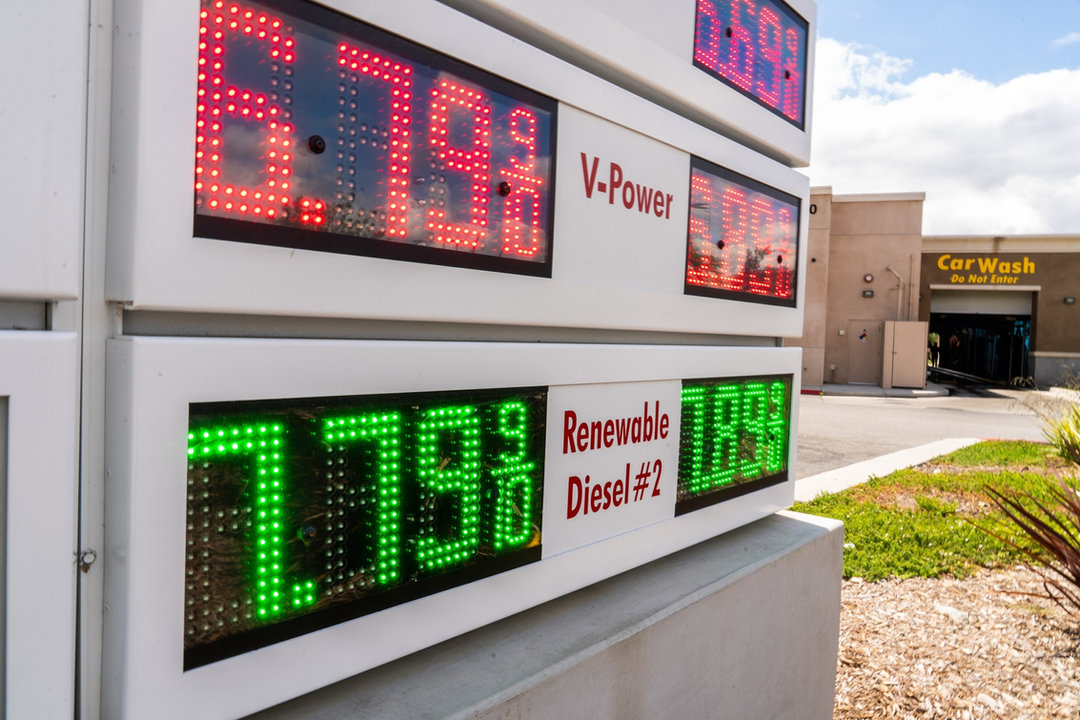
One of the most immediate and tangible effects of the U.S.-Iran tensions is seen at the gasoline pumps. The conflict has contributed to increasing fuel prices, affecting the budgets of many Americans. As a result, families are finding it necessary to adjust their financial plans and, in some cases, limit their spending on other essentials.
Grocery Bills on the Rise
In addition to fuel, grocery costs are also experiencing an upward trend. The ripple effect of international tensions is evident as families across the country witness a climb in the price of essential goods and services. This has led to a reassessment of household budgets for many Americans, with some struggling to maintain their standard of living.
Adapting to Economic Challenges
The economic pressures resulting from the U.S.-Iran situation have forced Americans to adapt. Households are increasingly seeking ways to economize, cutting back on non-essential expenditures and exploring alternative options to manage their financial burdens. The evolving economic landscape has prompted a shift in consumer habits as families prioritize essential needs.