BOISE, Idaho — A legal battle has commenced as three Idaho families, all U.S. citizens and lawful permanent residents, have filed a lawsuit following their detention during an extensive immigration raid at a horse racing track in a rural area last year.
The families allege that both state and federal law enforcement officials employed unconstitutional methods during the operation, which included detaining individuals based on Latino appearance and holding them in restrictive conditions without basic necessities. These allegations echo similar raids in other states where forceful tactics have ensnared U.S. citizens and legal residents. An Alabama construction worker previously sued in response to similar experiences.
Various lawsuits asserting racial profiling and unlawful detention have seen mixed outcomes in courts. A federal judge in California once placed a restraining order on immigration officials to prevent stops based on race or language, but this was later lifted by the Supreme Court in a 6-3 decision. Justice Brett Kavanaugh noted in his concurrence that judicial interference could hinder legitimate immigration enforcement, but suggested that excessive force cases might still be contestable.
Idaho Families Detained at Popular Event
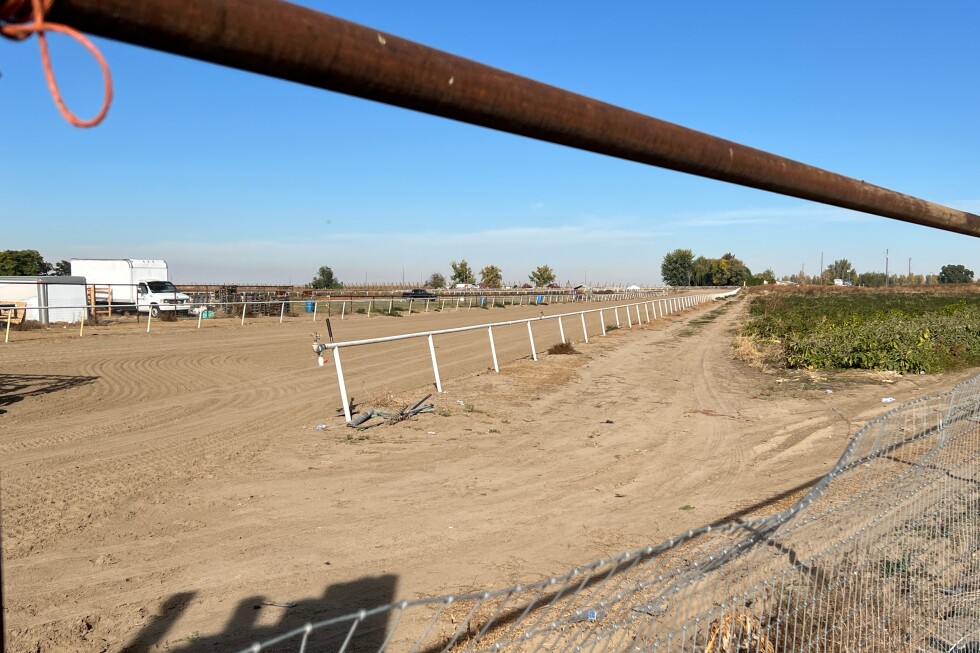
The Idaho incident occurred at La Catedral, a race track located an hour from Boise, where approximately 400 attendees were detained. While the FBI’s investigation focused on illegal gambling, only a handful were arrested on these charges, with over 100 detained for immigration issues. The ACLU of Idaho claims the operation was a “fishing expedition for immigration violations.”
The event, attended by local Latino families, featured food vendors and children’s activities. However, on October 19, the atmosphere shifted when 200 officers, identified by the ACLU as “wearing militarized gear and face coverings,” arrived, allegedly using guns and aggressive commands against the attendees.
Involved agencies included U.S. Immigration and Customs Enforcement, the FBI, Idaho State Police, and local law enforcement. Nampa Mayor Rick Hogaboam stated, “We take this matter seriously and are committed to following the legal process with integrity and professionalism.” The FBI and Canyon County Sheriff’s Office did not comment, while other agencies have yet to respond.
Tricia McLaughlin, a spokeswoman for the Department of Homeland Security, later clarified that the operation targeted an illegal gambling operation, though court documents did not mention animal fighting, and the track was licensed for horse racing. McLaughlin emphasized that ICE did not detain or arrest children.
Allegations of Racial Bias in the Raid
The ACLU asserts that officers used derogatory language towards Latino individuals and applied more force to them than to white detainees. Jenn Rolnick Borchetta, an ACLU attorney, stated, “I have never seen so much direct evidence of racial targeting, and ethnic targeting, as I have in this case.” Reports indicate that zip ties caused injuries, and some detainees were denied access to restrooms.
Juana Rodriguez, a lead plaintiff, claimed her hands were restrained for nearly four hours, preventing her from caring for her young child. Despite the conditions, none of the families were questioned about gambling, and they were released upon verifying their legal status. The plaintiffs are seeking class action status for the lawsuit, a declaration of rights violations, and damages.
Legal Grounds for the Lawsuit
The lawsuit draws on the Fourth Amendment’s protection against unreasonable searches, the 14th Amendment’s equal protection clause, and post-Civil War laws designed to address civil rights violations. Specifically, Section 1983 permits lawsuits against government employees for rights violations, Section 1985 prohibits conspiracies to infringe on civil rights, and Section 1986 holds individuals liable for failing to prevent such conspiracies.
Paul Carlos Southwick, ACLU of Idaho legal director, described the operation: “A coordinated government scheme to weaponize an arrest warrant as cover for racial profiling on a massive scale.” The plaintiffs argue the raid aimed to deport individuals and instill fear within the Latino community.