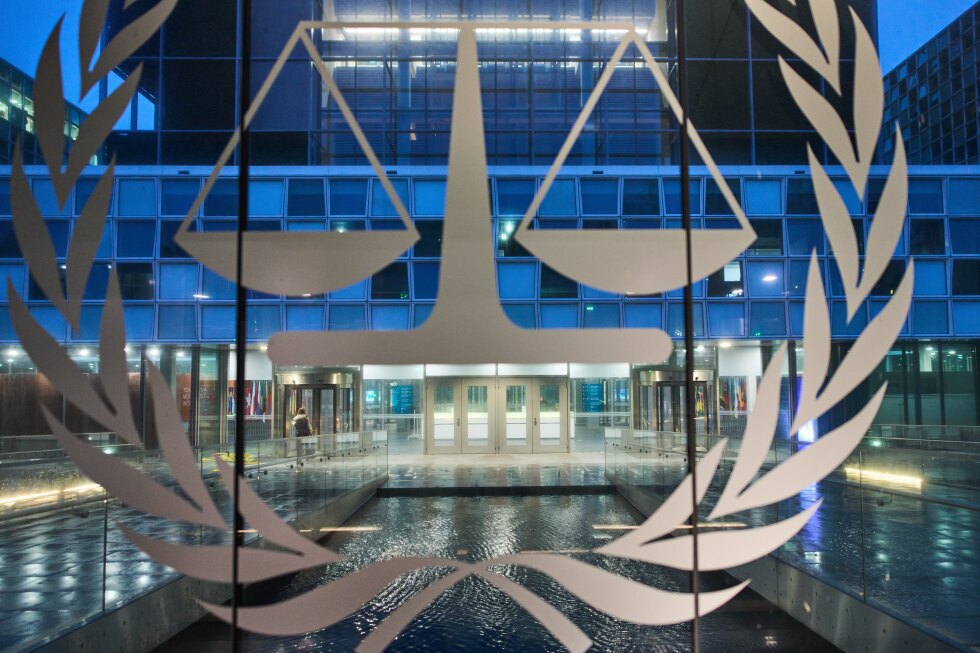
The International Criminal Court (ICC) has decided to halt its investigation into whether United States sanctions on Venezuela amount to crimes against humanity. This decision was announced by prosecutors on Thursday in The Hague.
In 2020, Venezuela had called upon the ICC to examine what it termed as “unlawful coercive measures.” The South American nation argued that asset freezes and travel bans targeting its officials, initially imposed by the U.S. during Barack Obama’s presidency, led to “widespread suffering.” However, after an initial inquiry, prosecutors chose not to proceed due to insufficient evidence.
The prosecutor’s office of the ICC stated that although it is “generally accepted” that sanctions “may have exacerbated an existing dire humanitarian situation,” there wasn’t enough proof of “necessary intent” to justify criminal charges. The court clarified that this decision is not connected to recent events in Venezuela from January 2026.
In January, U.S. forces conducted a swift military operation, capturing Venezuelan President Nicolás Maduro and his wife, and subsequently removing them from the country. Additionally, the U.S. has taken action against vessels it claims were trafficking drugs from Venezuela.
This investigation into U.S. sanctions is distinct from the ongoing ICC probe into allegations of crimes by Venezuelan security forces during a 2017 crackdown on anti-government protests under Maduro’s regime.
Last year, chief prosecutor Karim Khan was asked to step aside from a separate investigation into Venezuela due to a conflict of interest. His sister-in-law, Venkateswari Alagendra, is part of a defense team for Maduro’s government. Khan is currently on a leave of absence from the court amidst an investigation into allegations of sexual misconduct.
Meanwhile, the ICC is advancing with an investigation into alleged crimes against humanity in Belarus. Lithuania had requested this investigation in 2024, citing harsh repression of opposition groups by Belarusian authorities.
According to Lithuania, the actions of Belarusian President Alexander Lukashenko, which allegedly forced dissidents to flee across the border, fall under the court’s jurisdiction. Although Belarus is not a member of the ICC, Lithuania’s membership provides a basis for the investigation. This could potentially lead to charges against Lukashenko and other officials.
Belarusian opposition leader in exile, Sviatlana Tsikhanouskaya, welcomed the ICC’s decision. “This decision restores hope — that justice will prevail, that those responsible will be held accountable, and that the victims will finally receive truth and justice,” she commented in a statement to the Associated Press.
Yuras Karmanau from Tallinn, Estonia contributed additional reporting to this article.