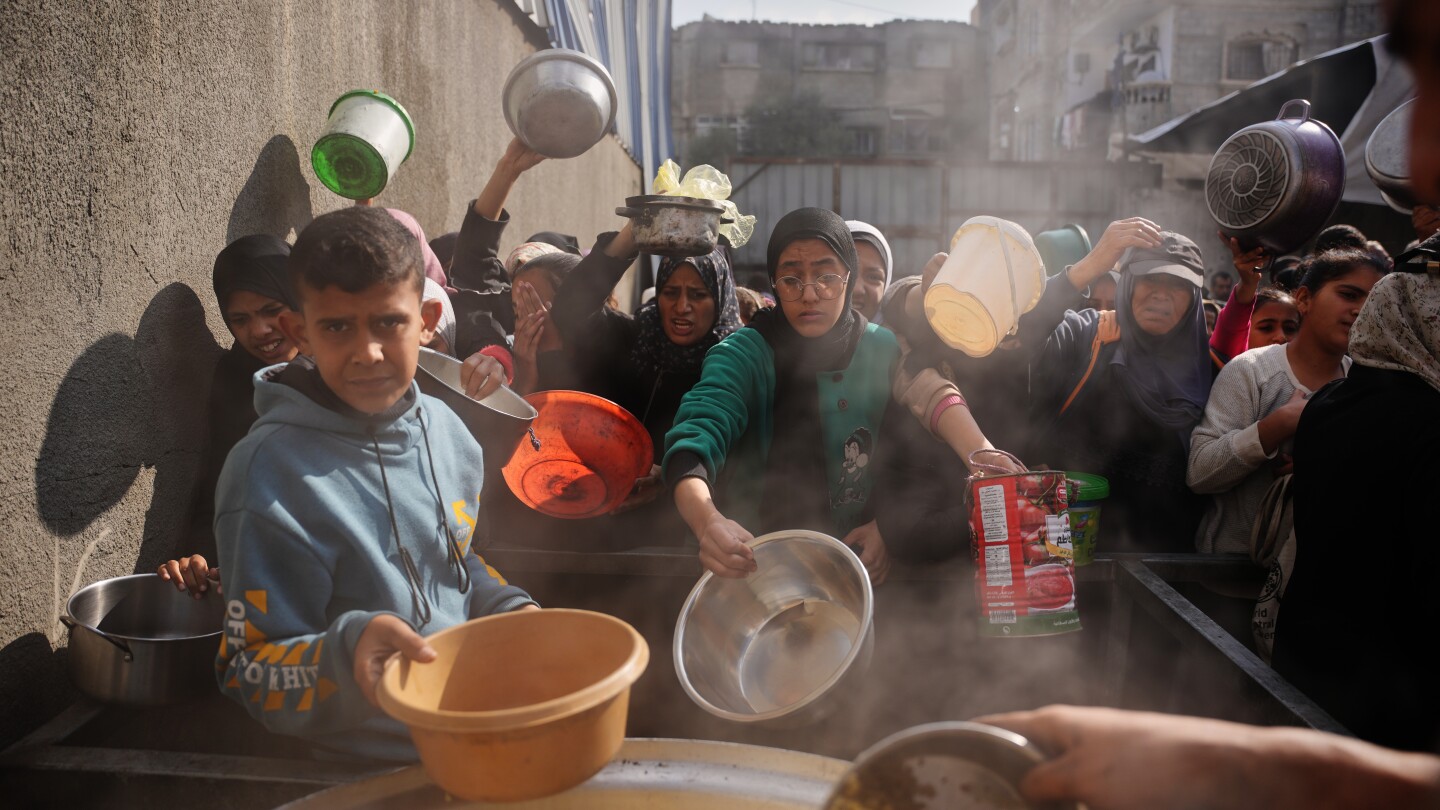
Food Crisis in Gaza: Famine Averted but Challenges Persist
The threat of famine in the Gaza Strip has been averted, yet the region remains on the brink of severe food shortages, according to a recent report by The Integrated Food Security Phase Classification (IPC), the leading authority on global food crises. While the immediate danger of famine has subsided after an October ceasefire in the Israel-Hamas conflict, the IPC warns that the situation is still “highly fragile” with a significant number of people facing acute hunger.
Despite improvements in food security following the ceasefire, the entire Palestinian territory continues to grapple with severe food scarcity. The IPC report highlights the risk of famine should conflict resume or humanitarian aid face restrictions. Approximately 2,000 individuals in Gaza are at “catastrophic” hunger levels through April, necessitating sustained and increased aid efforts.
The Israeli military body responsible for coordinating aid to Gaza, COGAT, has dismissed the IPC’s findings, asserting that the aid provided exceeds the nutritional needs as per international standards, including those set by the United Nations. Similarly, the Israeli Foreign Ministry has criticized the report, claiming it misrepresents the actual situation in Gaza by focusing mainly on U.N. aid trucks, which only constitute a fraction of the total aid.
In contrast, the IPC maintains that their figures include both commercial and U.N. aid deliveries, using data from both the U.N. and COGAT. Previous IPC reports have faced rejection from the Israeli government, with Prime Minister Benjamin Netanyahu labeling them as false.
Ceasefire Offers Temporary Relief
The ongoing ceasefire, facilitated by the U.S., plays a crucial role in preventing famine, as Phase 1 of the agreement nears its end. However, tensions remain high with accusations from both Israel and Hamas of truce violations. Earlier this year, the IPC had for the first time identified famine conditions in the Middle East, particularly in Gaza, where over 500,000 people faced life-threatening hunger.
Recent developments have led to better food access, with residents now receiving two meals a day compared to a single meal in previous months. Antoine Renard, World Food Program director for the Palestinian territories, noted the positive shift during a U.N. briefing, yet emphasized the dire need for adequate shelter as many Palestinians live in water-logged tents amidst worsening winter conditions.
Continuing Aid Challenges
The IPC report identifies displacement, inadequate hygiene, and limited food access as primary contributors to the ongoing food insecurity in Gaza, where over 70% of the population relies on aid while living in temporary shelters. Although humanitarian access has improved since previous assessments, it remains inconsistent across the region.
Experts urge for expanded aid, including food, shelter, and healthcare, to avert further crises. They project that over 100,000 children could suffer from acute malnutrition within the next year if conditions do not improve. Despite claims of meeting aid delivery targets, discrepancies persist, with U.N. Secretary-General António Guterres noting that aid efforts lag behind growing needs.
Organizations like Oxfam stress the importance of not just aid volume but also accessibility. “This is not a debate about truck numbers or calories on paper. It’s about whether people can actually access food, clean water, shelter and health care safely and consistently. Right now, they cannot,” said Bushra Khalidi, Oxfam’s policy lead.
Residents like Hany al-Shamali, displaced from Gaza City, face the harsh reality of economic hardship, expressing that while food is available, financial constraints make it inaccessible. “There is food and meat, but no one has money,” al-Shamali stated, encapsulating the ongoing struggle for many Gazans.