Former South Korean President Sentenced to Life for Insurrection
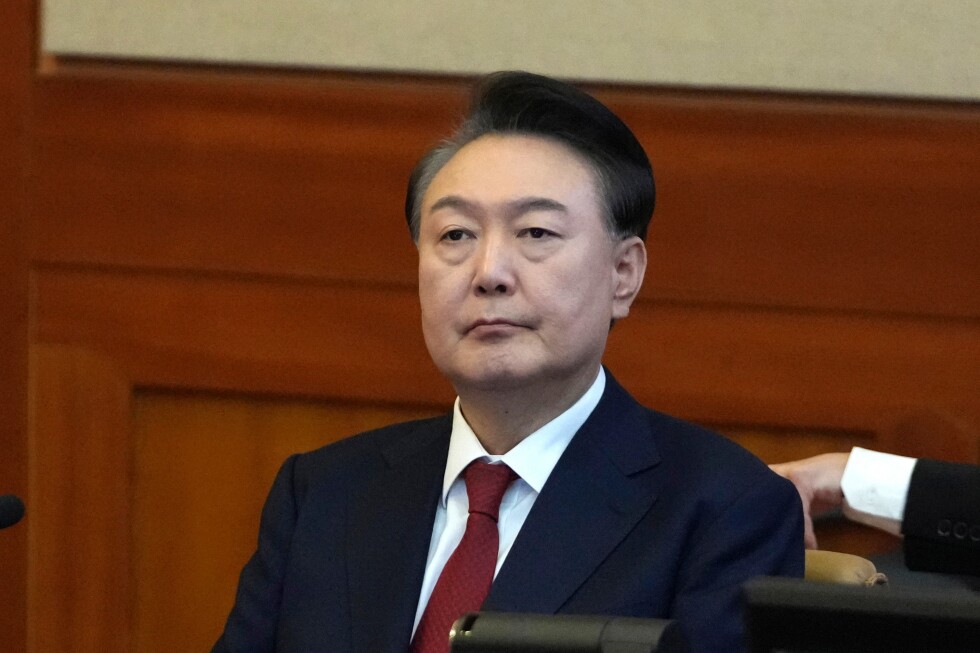
In a landmark decision, former South Korean President Yoon Suk Yeol has been sentenced to life imprisonment for orchestrating an insurrection in 2024. The verdict, delivered on Thursday, concludes a tumultuous chapter in South Korea’s political history, marking the nation’s most significant political upheaval in recent decades.
Yoon, a conservative, was ousted after declaring martial law and deploying troops to encircle the National Assembly on December 3, 2024, in an effort to bypass a legislature dominated by his liberal adversaries.
Judge Finds Yoon Guilty of Rebellion
Judge Jee Kui-youn of the Seoul Central District Court declared Yoon, 65, guilty of rebellion, citing his use of military and police forces in a bid to illegitimately seize power and arrest political opponents.
Historical Echoes of Martial Law
This imposition of martial law, the first in over forty years, reminded many of South Korea’s military-backed governments of the past. During that era, emergency decrees enabled authorities to deploy soldiers and armored vehicles in public spaces to suppress dissent. Yoon’s decree, which lasted about six hours, granted extensive powers, including media control and warrantless arrests.
The martial law was lifted after lawmakers managed to gather despite a military blockade and unanimously voted to nullify the measure. Yoon was impeached on December 14, 2024, and formally removed by the Constitutional Court in April 2025. He has been incarcerated since July of the previous year, with the rebellion charge being the most serious among several criminal allegations.
Defense Questions Verdict
Yoon’s legal team, led by Yoon Kap-keun, criticized the sentence as a “predetermined verdict” influenced solely by the prosecution’s stance. They are considering an appeal. Yoon argued that the martial law was intended to highlight the liberal opposition’s obstruction of state functions, and he was willing to comply if lawmakers voted against the decree.
The prosecution argued that Yoon’s actions aimed to derail the legislative process, an overreach of his constitutional powers. The court also sentenced five former officials involved, including ex-Defense Minister Kim Yong Hyun, to 30 years for planning and executing the decree.
Public Reaction and Legal Precedents
Outside the court, Yoon’s supporters and critics gathered, with the latter demanding the death penalty. The prosecution had sought the death penalty, citing a threat to democracy, but analysts anticipated a life sentence due to the non-lethal nature of the coup attempt.
South Korea, which has not executed anyone since 1997, faces ongoing debates about abolishing capital punishment. Political figures expressed mixed reactions, with liberal lawmakers lamenting the absence of a death sentence and conservative leaders offering apologies for the crisis.
Yoon’s conviction is reminiscent of the sentencing of former dictator Chun Doo-hwan, who was initially sentenced to death in 1996 for a coup and a violent crackdown but later received a commuted life sentence.