Former South Korean President Faces Election Law Conviction
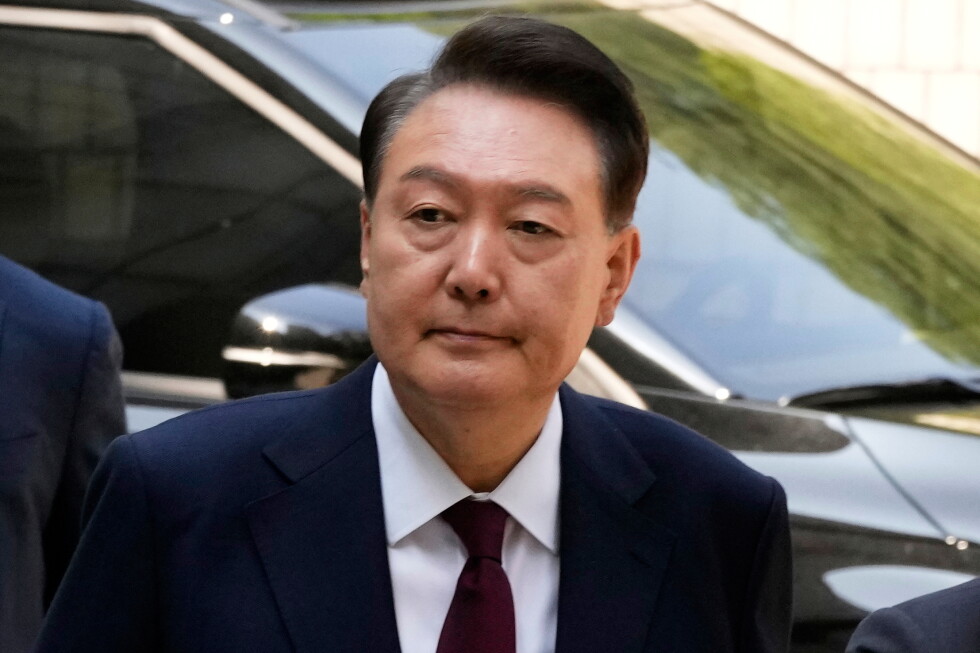
SEOUL, South Korea — Yoon Suk Yeol, the former President of South Korea, has been convicted on charges of making false statements during his presidential campaign. This verdict follows his removal from office last year due to the brief imposition of martial law.
The ruling, which Yoon plans to appeal, could have significant financial implications for the conservative People Power Party. If higher courts uphold the conviction, the party may be required to return approximately 40 billion won ($27 million) in government-reimbursed election expenses following Yoon’s narrow victory over the current President Lee Jae Myung in 2022.
According to South Korean law, election expenses are reimbursed if candidates secure more than 15% of the votes. However, these funds must be returned if the candidate is found guilty of an election law violation that results in a fine of at least 1 million won ($680) or harsher penalties.
The Seoul Central District Court sentenced Yoon to 18 months in prison, suspended for three years. The court noted that Yoon’s false statements potentially influenced voters’ “fair judgment” during the election. Yoon, who remained silent during the verdict reading, has not publicly commented on the decision.
Park Sung-hoon, spokesperson for the People Power Party, stated that the case would remain unsettled until the Supreme Court issues its ruling.
The court identified specific instances where Yoon provided false information, including a January 2022 interview where he minimized his relationship with a fortune teller. This individual was later convicted of mediating between Yoon’s wife, Kim Keon Hee, and the Unification Church, which allegedly offered bribes for political favors.
Additionally, Yoon was found to have falsely denied introducing a defense attorney to a former Seoul tax official under investigation for bribery during a December 2021 news conference.
Yoon is currently involved in seven ongoing criminal trials and remains in custody. His removal from office in April 2025 followed a brief martial law declaration in December 2024, which led to a significant political crisis in South Korea.
In another related case, Yoon was sentenced to life imprisonment in February for charges including rebellion, linked to his failed power attempt. A seven-year prison sentence was upheld by the Supreme Court earlier this month, related to his bypassing of cabinet deliberation before declaring martial law and his resistance to arrest.
The controversial martial law, declared by Yoon on December 3, 2024, was revoked within hours when lawmakers intervened, breaking through a blockade by armed forces at Seoul’s National Assembly to vote against the measure.