SPRINGFIELD, Ohio — In a recent development, a federal judge has halted the impending termination of Temporary Protected Status (TPS) for approximately 350,000 Haitians residing in the United States. This decision poses another challenge to President Donald Trump’s immigration policies.
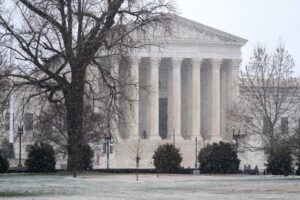
U.S. District Judge Ana Reyes, based in Washington, decided to temporarily block the end of TPS for Haitians while a legal battle unfolds. The termination was scheduled for Tuesday, but Judge Reyes declared it “null, void, and of no legal effect.” The judge, appointed by President Joe Biden, expressed the likelihood of the plaintiffs succeeding in their case, suggesting that the decision to terminate TPS stemmed from a “hostility to nonwhite immigrants.”
“We can breathe for a little bit,” commented Rose-Thamar Joseph, the operations director of the Haitian Support Center in Springfield, Ohio.
Judge Reyes criticized Homeland Security Secretary Kristi Noem for allegedly making a preordained decision without consulting other agencies about the conditions in Haiti. The ruling highlighted Noem’s statements, such as advocating for a travel ban from countries that she claimed were “flooding our nation with killers, leeches, and entitlement junkies.”
The ruling provides temporary relief, yet the future legal proceedings remain uncertain. Department of Homeland Security spokesperson Tricia McLaughlin criticized the decision, labeling it as “lawless activism.”
DHS and Community Leaders Disagree on Conditions in Haiti
TPS is granted when home countries are deemed unsafe due to natural disasters or political instability. While TPS allows holders to live and work in the U.S., it doesn’t lead to citizenship. Initially granted in 2010 after a devastating earthquake, Haiti’s TPS has been extended multiple times. The country continues to suffer from gang violence, causing mass displacement.
The Trump administration has aimed to remove this protection, aligning with its broader deportation strategy. Beyond Haitians, Noem has also moved to terminate TPS for other nationalities, including Venezuelans, Hondurans, and Ukrainians, with several cases pending in federal courts.
Attorneys for Haitian TPS holders argue that ending the status could be fatal for many, citing risks of violence, disease, and starvation upon return. They claim the termination is racially motivated and fails to consider potential threats in Haiti.
The administration argues that conditions in Haiti have improved and dismisses claims of racial animus as out-of-context misinterpretations. A government notice pointed to positive developments, such as a new multinational force to combat gangs, asserting that maintaining TPS for Haitians is against the national interest.
Jerome Bazard from the First Haitian Evangelical Church in Springfield highlighted the dangers of returning to Haiti, stressing that many cannot safely return and need TPS to sustain their livelihood.
Uncertainty Grips Haitians in Springfield
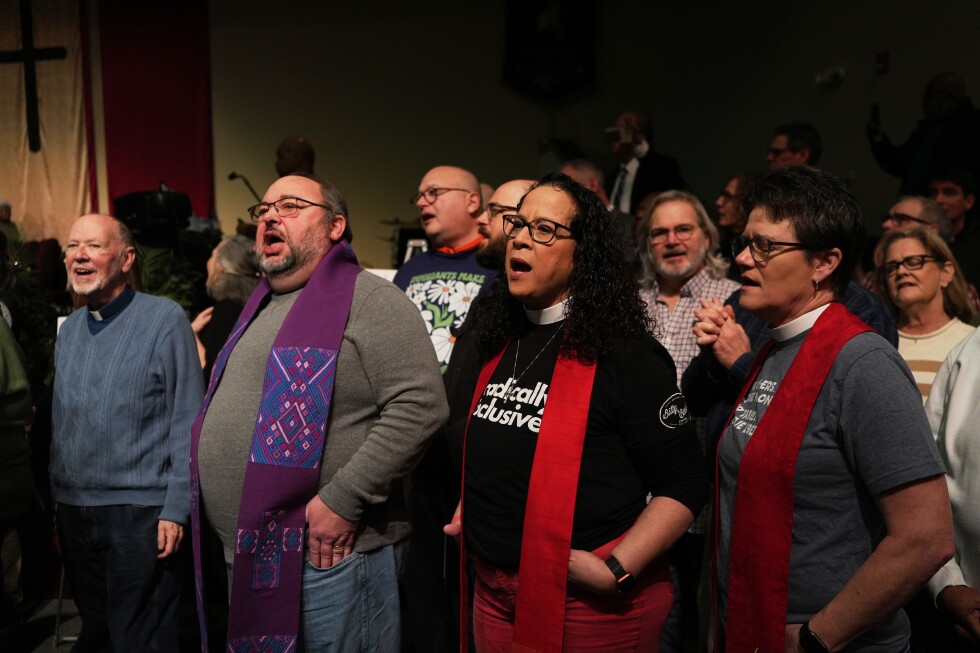
In Springfield, faith leaders and congregants have gathered in support of Haitian migrants facing the potential end of their protected status. The uncertainty surrounding TPS has heightened concerns within the community.
During his 2024 campaign, Trump disparaged the Haitian community, exacerbating tensions in Springfield, a predominantly white, working-class city. His remarks led to bomb threats against various public buildings, intensifying fears among local Haitians.
Viles Dorsainvil, a leader in Springfield’s Haitian Community Help and Support Center, noted that the fear has been magnified by federal immigration crackdowns in other cities. Many Haitian children, U.S. citizens with undocumented parents, face uncertainties about their future.
Community volunteers have stepped up, offering food deliveries and other support to those afraid to leave their homes. Families have been advised by relatives abroad to consider leaving Springfield, fearing it’s no longer safe.
Lynn Tramonte, from the Ohio Immigrant Alliance, said, “The court’s 11th-hour reprieve is, of course, welcome. But people can’t live their lives like this, pegging their families’ futures to a court case.”