Federal Court Halts Minnesota’s Prediction Market Ban
A federal judge in Minnesota has issued a temporary injunction against a new state law that aimed to ban prediction markets, just before it was set to be enforced. This development highlights ongoing tensions between state authorities and the federal government regarding the regulation of platforms like Kalshi and Polymarket.
U.S. District Judge Katherine Menendez ruled that the U.S. Commodity Futures Trading Commission (CFTC), alongside Kalshi and Polymarket, have a substantial likelihood of winning their case against the Minnesota law. The judge emphasized that enforcing the law could inflict “irreparable harm” on these platforms. Consequently, the law will not be implemented while legal proceedings continue.
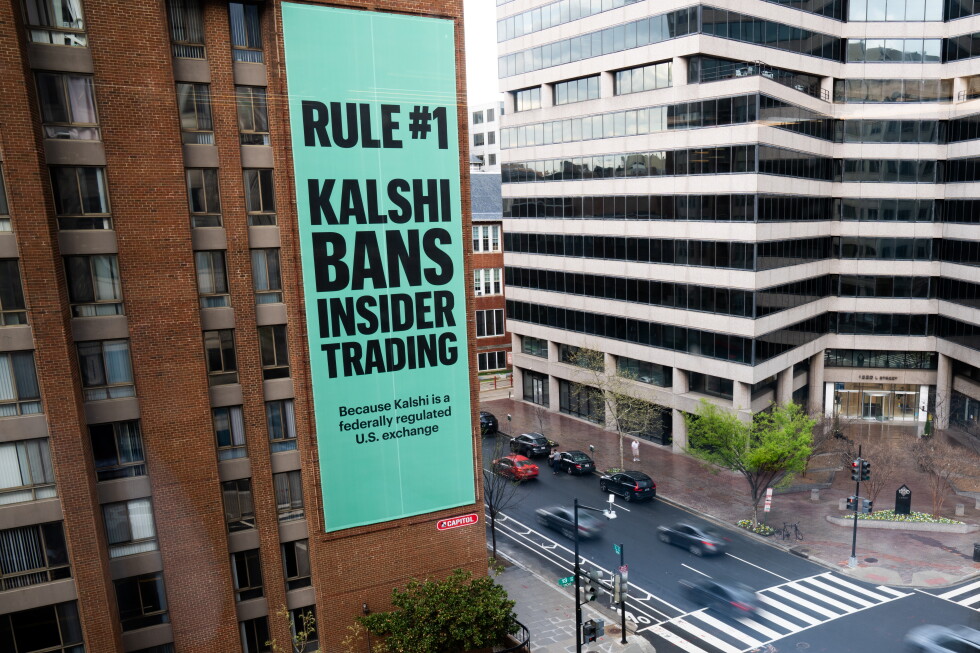
The contested legislation, which was slated to take effect on Saturday, proposed criminalizing the establishment or operation of prediction markets and any associated activities. Kalshi, Polymarket, and the CFTC seek a permanent injunction, asserting that the CFTC has exclusive authority under federal law to regulate “event-contract transactions,” which are central to the business models of these platforms.
State governments contend that the majority of prediction market activity resembles sports betting, an area they are entitled to regulate, distinguishing it from commodities and futures contracts under CFTC jurisdiction. Minnesota Attorney General Keith Ellison expressed his stance in a statement, labeling prediction markets as “gambling, plain and simple” and asserting the state’s right to prevent such activities within its borders.
Despite the court ruling, Ellison remains committed to defending the state’s position, acknowledging the complexity of the legal issues involved. Meanwhile, Neal Kumar, Polymarket’s chief legal officer, commented that the decision underscores federal law’s precedence over state regulations on prediction market exchanges registered with the commission.
Elisabeth Diana, a spokesperson for Kalshi, reinforced this perspective, stating that “states cannot ban things that they don’t have jurisdiction over.”
The decision follows earlier statements from the CFTC’s leadership, emphasizing that the agency will actively oppose state efforts to regulate prediction markets, thereby maintaining its exclusive jurisdiction. This stance has led to a series of legal battles, with states attempting to classify Kalshi, Polymarket, and similar entities as illegal gambling operations.
In recent months, the federal government has initiated lawsuits against several states, including Connecticut, Arizona, and Illinois, challenging their regulatory actions against prediction market operators. Additionally, New York has taken legal action against new entrants in the industry, such as Coinbase and Gemini.
The American Gaming Association reports that states have potentially lost over $1.2 billion in tax revenue due to unregulated wagers since the advent of prediction markets offering sports event contracts. Furthermore, Native American tribal leaders and gambling regulators argue that betting on events like sports and elections constitutes illegal gambling.
Amid these legal disputes, the CFTC has launched a rulemaking process to define event contracts that may be deemed “contrary to the public interest” and could be prohibited from being listed on regulated prediction markets.
For further updates, follow Marc Levy on Twitter at http://twitter.com/timelywriter.