Federal Interventions in Local Law Enforcement Under Scrutiny
The recent actions taken by the current administration have marked a notable shift in federal involvement with state and local law enforcement agencies. These steps include deploying the National Guard to the streets of California cities and assuming control over the police department in Washington, D.C., moves that officials justify as a response to a purported crime emergency.
However, according to local police data, crime rates have actually been declining in numerous urban centers, including Washington, D.C. Historical data and recent experiences indicate that successful crime reduction strategies are those that focus on local context and require thoughtful planning and investment. Heavy-handed approaches, such as deploying military forces, may yield short-term results but are unlikely to foster long-term safety.
Diverse Community Needs
Evidence suggests that the most effective public safety strategies are locally led, with federal assistance playing a supportive role. Local governments and police have a deeper understanding of the dynamics on the ground, such as the causes of conflicts leading to crime, available resources, and trusted community figures. These factors can differ significantly across cities and states.
In Washington, D.C., a particularly complex city where local and federal jurisdictions overlap, the fragmented justice system presents unique challenges. Issues like vacant judgeships contribute to court delays, affecting the system’s credibility and its ability to prosecute offenders effectively. Other communities have distinct challenges best addressed by local leaders who can tailor solutions accordingly.
Effective Crime Prevention Strategies
Targeted interventions and community investments characterize successful crime-prevention strategies, many of which enjoy widespread bipartisan support. Programs in cities like Newark and Chicago have demonstrated success in deescalating tensions before they result in crime. One initiative notably reduced shooting and homicide arrests by over 60 percent among participants.
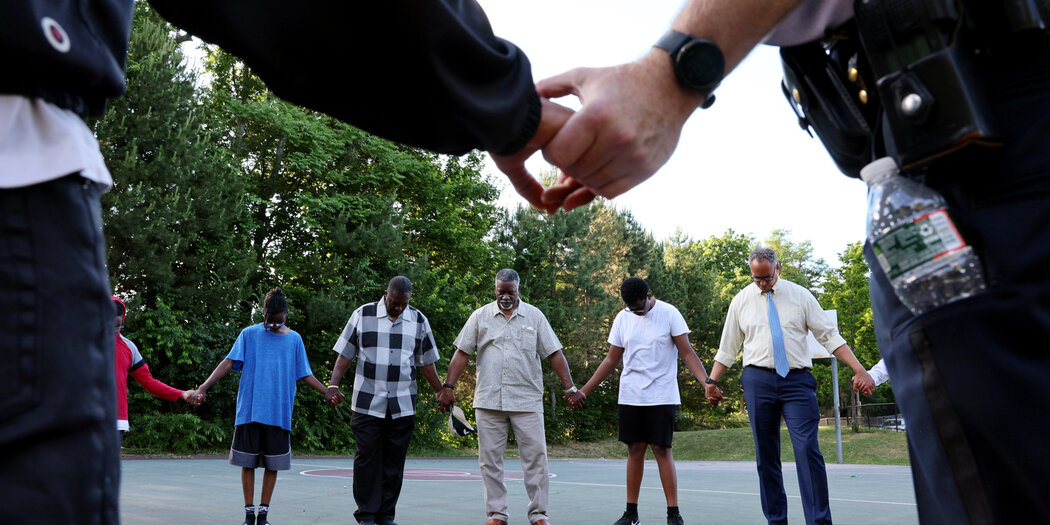
Building trust between police and communities is essential, as interactions should not solely focus on crime response. Research indicates that a single positive, non-enforcement interaction can enhance police legitimacy and foster cooperation. Programs like after-school or summer jobs have led to significant reductions in violent crime charges, as seen in Boston.
Other effective measures include addressing unsolved crimes by closing evidence processing backlogs and filling investigative staff shortages. These actions can increase crime-solving rates, build system trust, and reduce violence. Reducing recidivism through in-prison education and job training, or laws allowing criminal record sealing, can also help individuals reintegrate into society successfully.
The Role of Data in Crime Strategy
The administration’s narrative that crime rates are uniquely high in Democrat-led cities is misleading. Rural areas and Republican-led regions face comparable, if not greater, crime challenges. The national crime landscape reveals that crime, especially violent crime, rose during the early years of the COVID-19 pandemic across diverse communities, irrespective of political leanings.
Since then, crime rates have dramatically fallen: the national murder rate dropped by a record 16 percent last year, marking a continuation of a longer-term decline. This reduction means murders in 2024 were less frequent than in 2019. City-level data suggests that this trend is ongoing, with significant crime rate reductions seen in major cities such as New York, Philadelphia, and Chicago.
Despite these declines, not all communities have experienced the same reductions, and some crimes remain more prevalent than before the pandemic. For instance, New York City continues to grapple with elevated assault and shoplifting rates.
Federal strategies should focus on supporting evidence-based community programs rather than relying on limited funding and visible displays of force. These programs can build community trust and provide long-lasting crime prevention solutions.