Appeals Court Permits Subpoena in Gender-Affirming Care Investigation
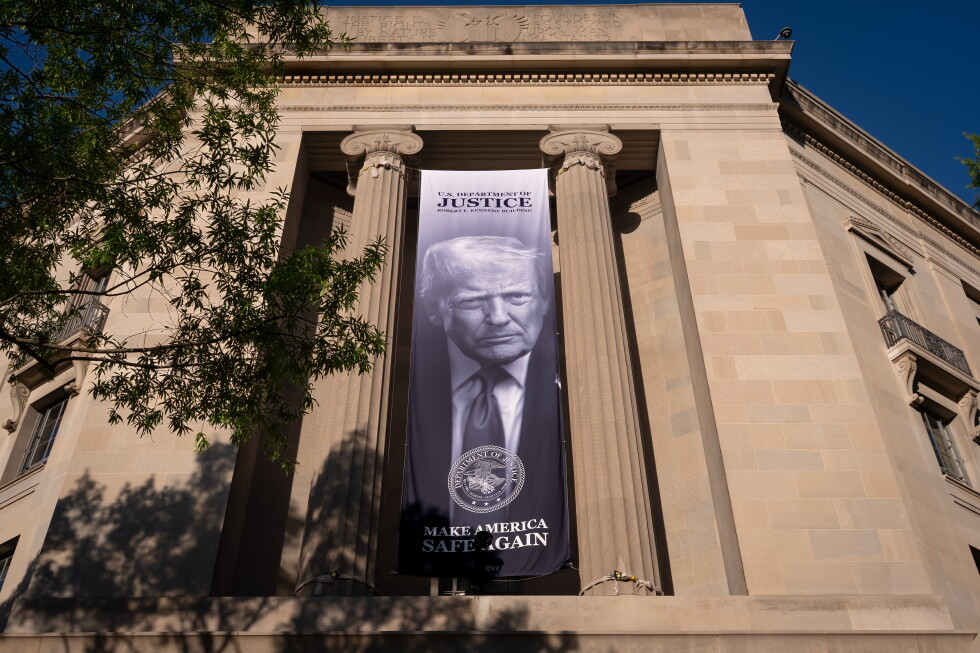
The 9th U.S. Circuit Court of Appeals has upheld a subpoena issued by the Justice Department as part of an investigation into gender-affirming healthcare practices. The court’s decision supports the Trump administration’s initiative to scrutinize such care, viewing it as aligned with broader policy objectives.
Last year, the Justice Department announced the issuance of over 20 subpoenas to healthcare providers offering gender-affirming services, citing potential healthcare fraud. Many of these legal demands have been challenged and overturned by federal judges, who see them as attempts to coerce providers into ceasing these services.
In a 2-1 ruling, the appeals court panel noted the uncertain efficacy and potential risks of these treatments, while affirming that the president can direct the Justice Department’s enforcement priorities to match policy goals. Judge Carlos Bea, supported by Judge Daniel Bress, reversed a prior decision that nullified the subpoena against QueerDoc, a telemedicine provider.
The subpoena requests extensive information from QueerDoc, including personnel files, billing records, communications with drug manufacturers, and patient records related to puberty blockers and hormone therapy.
Adrien Leavitt, an attorney with the American Civil Liberties Union representing QueerDoc, stated that the ACLU is committed to challenging the subpoena in district court. Leavitt described the subpoena as overly broad and burdensome, while the Justice Department believes there may be misleading information regarding the safety of puberty blockers and hormones.
“We’re ready to continue defending one of the most fundamental principles of healthcare: every patient’s right to confidential medical care,” Leavitt declared.
This case marks the first time the San Francisco-based 9th Circuit has addressed the subpoenas concerning gender-affirming care. President Trump has previously signed executive orders defining sex as immutable and seeking to end federal funding for gender-affirming care for minors.
Gender-affirming care encompasses medical and mental health services that support an individual’s gender identity, differing from their birth-assigned sex. This includes counseling, puberty blockers, hormone therapy, and, though infrequent for minors, surgeries.
While most major medical organizations recognize the importance of access to such treatments for individuals with gender dysphoria, the 9th Circuit described the debate over gender-affirming care as “an unsettled scientific debate.” The Trump administration’s stance against these treatments is based not only on scientific uncertainty but also on ethical and philosophical considerations.