Understanding the Posse Comitatus Act and Its Implications
The Posse Comitatus Act, rooted in the historical concept of “posse comitatus,” which means “power of the county,” was enacted to limit the federal government’s ability to use military forces for domestic law enforcement. Originating from concerns during the Reconstruction Era, this act serves as a safeguard against military involvement in civilian affairs.
Main Issues with the Current Posse Comitatus Act
At the forefront of discussions about the Posse Comitatus Act is its current wording, which presents significant challenges. Critics argue that its language is ambiguous, leading to varied interpretations and potential misuse. The act’s primary aim is to prevent military involvement in domestic policing, but its effectiveness is often questioned due to its vague stipulations.
Notable Exceptions and Loopholes
The Posse Comitatus Act contains several exceptions and loopholes that have raised concerns among legal experts and civil rights advocates. For instance, the act does not apply to the National Guard when it is under state control. Additionally, federal troops can be utilized for domestic law enforcement under specific circumstances, such as during natural disasters or civil disturbances, which can lead to military involvement in civilian matters.
Potential Problems with Military as Domestic Police
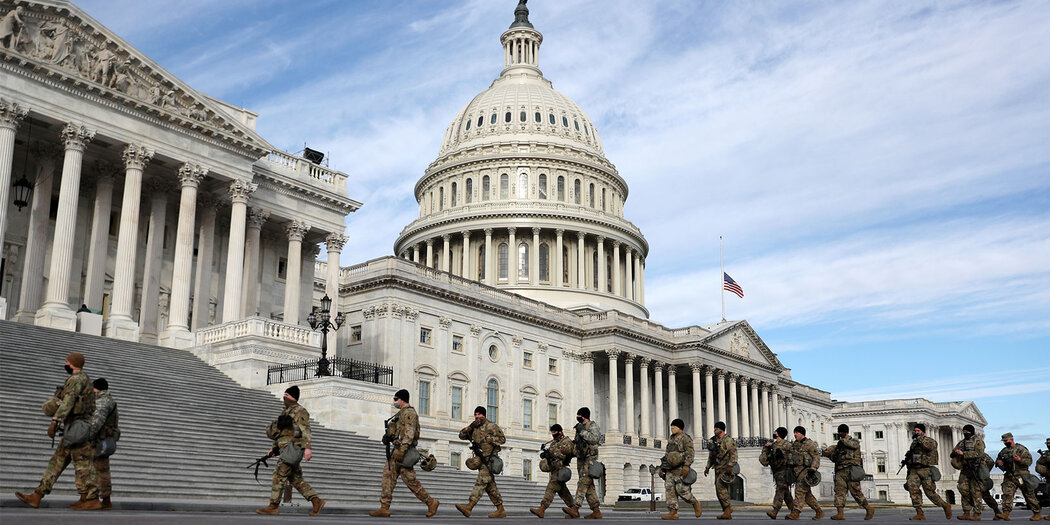
Using the military as a domestic police force poses significant problems. The military is trained for combat and warfare, not for community policing or civil law enforcement. This distinction is crucial because military intervention can lead to excessive force and undermine public trust in both the military and law enforcement agencies.
Rare Prosecution Under the Act
Prosecution under the Posse Comitatus Act is extraordinarily rare. This rarity is attributed to the act’s ambiguous nature, making it challenging to prove violations. Furthermore, the legal and political ramifications of bringing such cases to court often deter attempts to prosecute.
Challenges in Reforming the Act
Despite its flaws, reforming the Posse Comitatus Act has proven difficult. The complexity of balancing national security needs with civil liberties, combined with political resistance, has stalled previous reform efforts. Many legislators and policymakers are cautious about making changes that could impact military operations or domestic security.
Advocating for Reform
Advocates for reform are calling for clearer definitions and stricter guidelines within the Posse Comitatus Act. Their primary goal is to close existing loopholes and ensure that military intervention in domestic affairs is a last resort. They also emphasize the need for better oversight and accountability mechanisms to prevent potential abuses.
Prospects for Future Reform
The prospects for reforming the Posse Comitatus Act remain uncertain. While there is growing awareness of its limitations and potential for misuse, finding a consensus on how to effectively amend the law continues to be a challenge. As discussions progress, stakeholders from various sectors will play a crucial role in shaping any future legislative changes.