European Far-Right Distances from Trump’s Greenland Ambitions
BRUSSELS (AP) — Plans by U.S. President Donald Trump to take control of Greenland have sparked significant tension between his administration and Europe’s far-right political factions. Despite prior ideological alignment, European nationalists have expressed concerns over Trump’s interventionist approach.
Political figures from Germany, Italy, and France have openly criticized the Greenland proposal. Notably, Nigel Farage, a staunch Trump supporter and head of the Reform UK nationalist party, referred to the actions as “a very hostile act.”
The European Parliament witnessed a strong stance from its far-right members, typically Trump allies, who opposed an EU-U.S. trade pact, citing Trump’s threats as “coercion” and “threats to sovereignty.”
Unexpected Rift Among Allies
The unexpected divergence comes after far-right parties gained significant power in the European Union in 2024, now holding 26% of the seats in the European Parliament, according to the German Institute for International and Security Affairs.
In a show of support for Trump, Europe’s far-right parties convened in Madrid under the “Make Europe Great Again” banner. This was before Elon Musk distanced himself from Trump, having previously promoted far-right figures in Europe, including Germany’s Alternative for Germany party.
The rift is further complicated by internal MAGA disagreements over Trump’s foreign policies, impacting his European supporters’ responses to his moves in Greenland, Venezuela, and Iran.
Sovereignty versus Ideology
The National Rally in France, which has previously shared common ground with Trump, particularly on immigration, is re-evaluating its stance. Party leader Marine Le Pen has received support from Trump, who criticized her conviction for embezzling EU funds as a “witch hunt.” However, recent actions by Trump have led National Rally President Jordan Bardella to criticize U.S. interventions in places like Venezuela as “foreign interference.”
Italian Prime Minister Giorgia Meloni has also voiced concerns, stating on Rai television that Trump’s tariffs threat over Greenland was “a mistake.”
Eastern Europe’s Cautious Stance
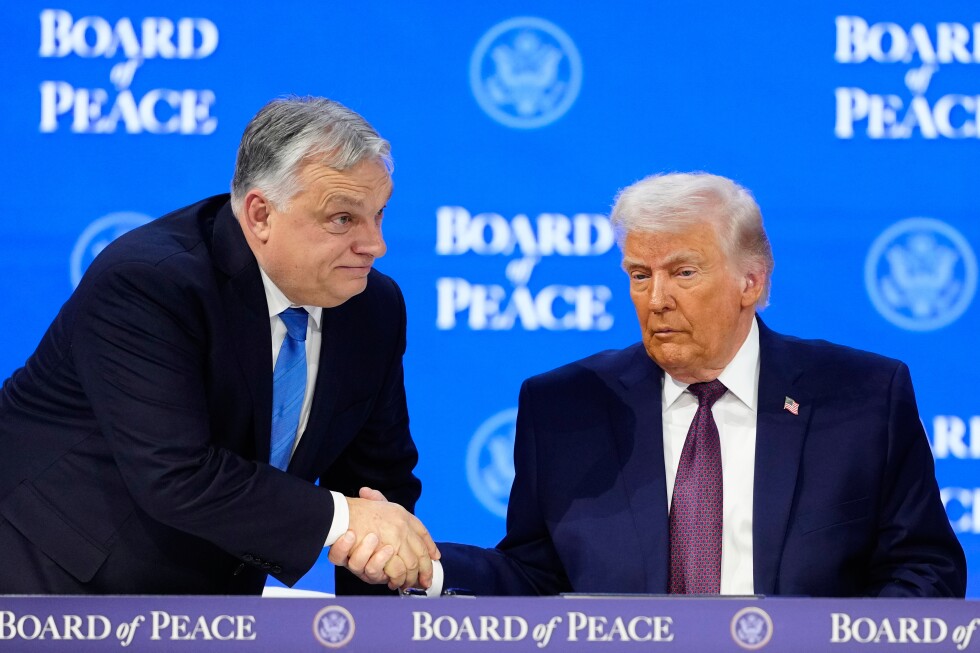
While Western European leaders have openly criticized Trump’s actions, leaders in Eastern Europe have been more restrained. Hungarian Prime Minister Viktor Orbán, a key figure in Trump-style populism, has strategically avoided criticizing Trump, focusing instead on their shared opposition to EU policies.
Similarly, Polish President Karol Nawrocki and Czech Prime Minister Andrej Babis have called for diplomatic resolutions to the Greenland issue, steering clear of direct confrontation with Trump. Slovakia’s Prime Minister Robert Fico, while condemning the ousting of Nicolás Maduro, has not criticized Trump’s Greenland ambitions.
Potential for Future Divisions
Despite these tensions, the ideological ties between MAGA and its European counterparts might persist. Daniel Hegedüs from the German Marshall Fund noted that shared grievances against the EU could continue to bind these factions together. However, he cautioned that Trump’s actions could potentially divide the European radical right if perceived as threats to sovereignty.