European Allies Push Back Against U.S. Tariff Threats Over Greenland
A rift between the United States and several European countries has emerged following President Donald Trump’s proposal to impose a 10% tariff on eight European nations opposing U.S. control of Greenland. This move has sparked criticism, with European leaders warning it could jeopardize transatlantic relations and lead to a “dangerous downward spiral.”
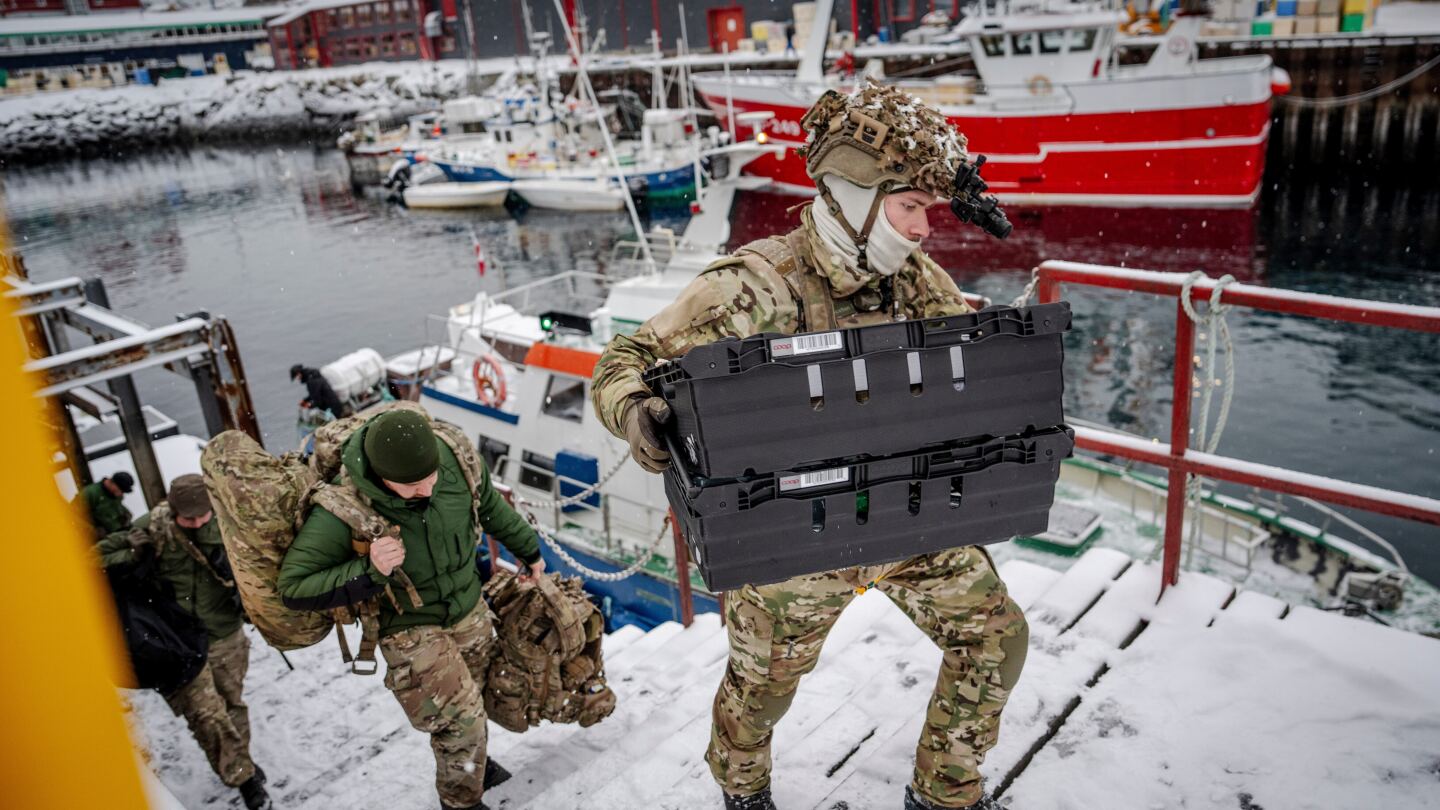
Denmark, Norway, Sweden, France, Germany, the United Kingdom, the Netherlands, and Finland issued a joint statement emphasizing that their military presence in Greenland, part of an operation called “Arctic Endurance,” poses “no threat to anyone.” The declaration came nearly 24 hours after Trump’s tariff announcement.
During a press conference in Oslo, Danish Foreign Minister Lars Løkke Rasmussen revealed ongoing dialogue with the U.S., expressing a determination to maintain communication unless the U.S. alters its stance. Norwegian Foreign Minister Espen Barth Eide echoed these sentiments, deeming U.S. tariff threats “unacceptable between close allies.”
In response to the tariff threat, leaders of the European Union convened an emergency meeting. EU Council President Antonio Costa reiterated the bloc’s stance, asserting that tariffs would undermine EU-U.S. relations and contradict existing trade agreements.
Support for Denmark and Greenland
The European allies expressed solidarity with Denmark and Greenland, emphasizing principles of sovereignty and territorial integrity. Trump’s announcement has become a test of U.S. alliances in Europe, as he appears to use tariffs to push negotiations over Greenland’s status, a territory of Denmark deemed crucial for U.S. security.
Trump’s approach has drawn criticism not only internationally but also within the United States. U.S. Senator Mark Kelly argued that the tariffs would increase costs for Americans and exacerbate tensions with allies. Former Vice President Mike Pence questioned the constitutionality of Trump’s proposed tariffs and warned of the potential to strain NATO relationships.
Populist Allies Criticize the Tariff Threat
Trump’s tariff proposal has also faced backlash from his populist allies in Europe. Italy’s Premier Giorgia Meloni criticized the tariffs as a misunderstanding of European military deployments to Greenland, which she stated were not directed against the U.S. but aimed at other unspecified threats.
Meanwhile, France’s National Rally party leader, Jordan Bardella, advocated for suspending the recent EU-U.S. tariff agreement, labeling Trump’s actions as “commercial blackmail.” In the United Kingdom, political parties, including the right-wing Reform UK, united in opposition to the tariff threat.
The situation has prompted NATO Secretary General Mark Rutte to engage directly with Trump, indicating ongoing discussions and an upcoming meeting in Davos. Similarly, UK Prime Minister Keir Starmer conveyed to Trump that tariffs on allies for NATO security efforts are inappropriate.
As tensions remain high, European countries continue to strategize their response to potential economic repercussions, while keeping an eye on maintaining collaborative ties with the U.S. amidst the growing geopolitical complexities surrounding Greenland.