Challenges to Voting Rights Act on Its 60th Anniversary
In the United States, voting rights are meant to be safeguarded by legislation. However, on the 60th anniversary of the Voting Rights Act, efforts to weaken this law are preventing voters and their legal representatives from defending their electoral freedoms in court.
Historically, courts have served as platforms for addressing injustices, holding power to account, and protecting citizens’ rights. They have played a pivotal role in ensuring equal voting access, invalidating racial gerrymandering, and opposing discriminatory voting practices.
Yet, this judicial space is increasingly becoming inaccessible, with signs of a more permanent obstruction taking shape in some regions.
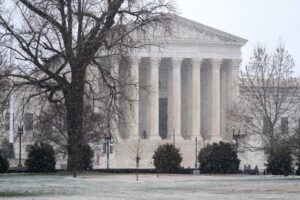
A significant setback occurred in 2013 when the Supreme Court significantly weakened the Voting Rights Act in Shelby County v. Holder. This decision effectively dismantled the preclearance requirement, which mandated federal approval for changes to voting laws in areas with a history of discrimination.
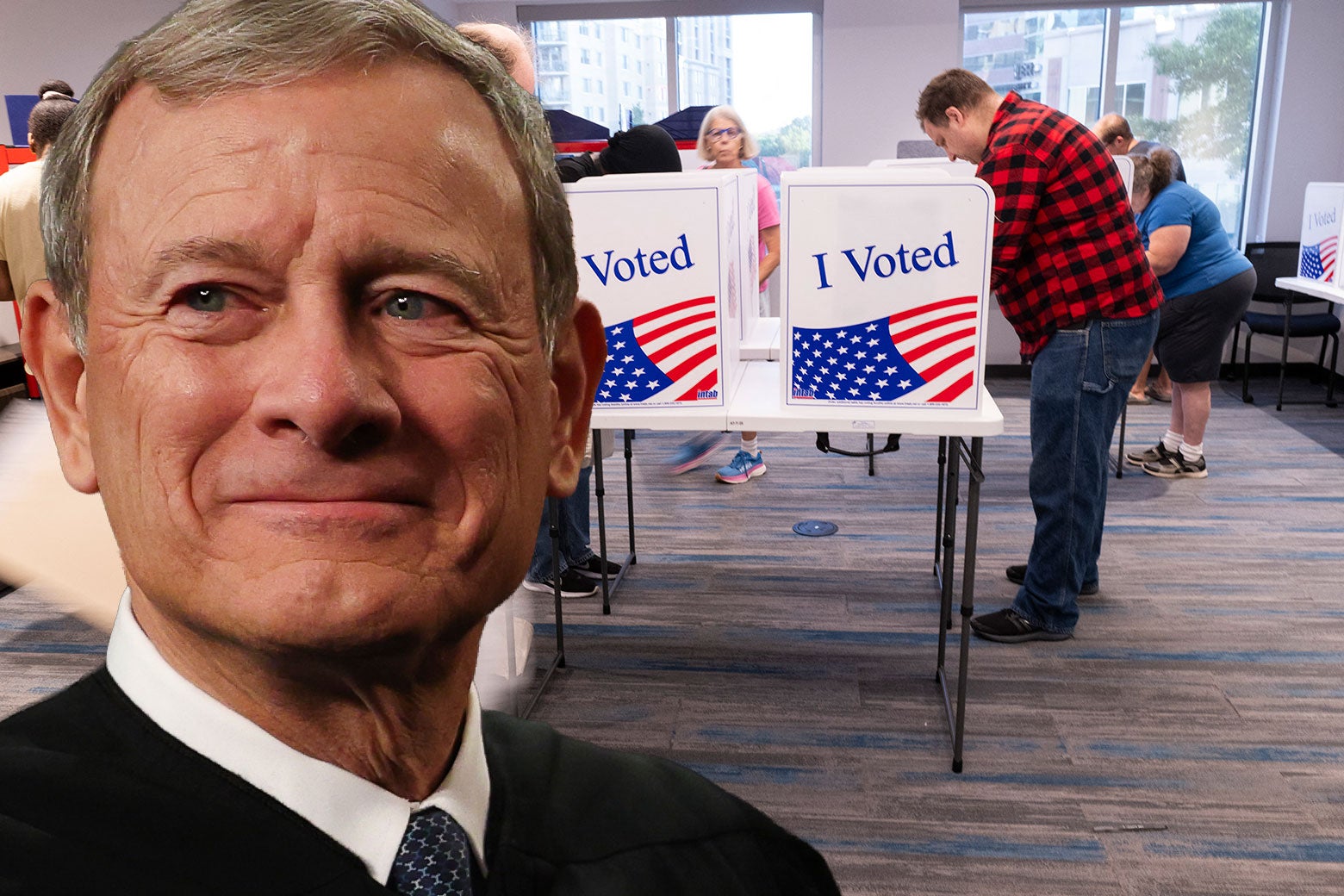
Chief Justice John Roberts, representing the majority view, asserted that racial discrimination in voting had largely been resolved. This assertion was criticized by many as premature. Justice Ruth Bader Ginsburg cautioned that eliminating preclearance was akin to “throwing away your umbrella in a rainstorm because you are not getting wet.”
With the removal of Section 5 preclearance, the court is now poised to undermine another vital aspect of the VRA. There are two main strategies under consideration. One focus is on restricting private individuals’ capacity to contest racially motivated practices under the VRA. If the court supports the 8th Circuit’s stance, only the Department of Justice could initiate cases under Section 2 of the VRA.
Additionally, the court is pursuing another route to further diminish the VRA’s impact. An upcoming case in the October 2025 term will challenge the constitutionality and continued relevance of Section 2, as indicated by a recent after-hours order issued just before the VRA’s 60th anniversary.
In parallel, Donald Trump’s Department of Justice has shown little interest in upholding voting rights. It has removed seasoned attorneys from the Voting Rights Section, withdrawn from crucial cases, and even suggested prosecuting election officials, actions inspired by the Project 2025 playbook.
While judicial access becomes more restricted, the executive branch further exacerbates the issue by supporting Trump’s executive order targeting independent election systems and advocating for the controversial SAVE Act, which is currently under consideration in the U.S. Senate.
The proposed measures would necessitate that Americans present specific government identification to register to vote, a challenge for millions lacking such documentation but eager to exercise their voting rights. This move is justified by claims of preventing “voter fraud,” although such fraud is virtually nonexistent at a significant level in the country.