Originally at Bloomberg News
Elon Musk’s Influence and the Future of Federal Agencies
In January, Cat Farman realized her job might be in danger. This realization came after a group of engineers associated with Elon Musk entered the headquarters of the US Agency for International Development (USAID). They accessed sensitive employee data and restricted staff from entering the building. Despite USAID’s existence being protected by congressional acts, Musk claimed success, posting on X, “We spent the weekend feeding USAID into the wood chipper” on February 3rd.
Farman, working for the Consumer Financial Protection Bureau (CFPB), saw the potential threat to her agency, suspecting it could face a similar fate. Conservatives, including Musk, often criticize the CFPB’s mission as unnecessarily wasteful and overly progressive. “I could see we were vulnerable in the same way USAID was,” Farman, president of the CFPB union, stated.
The CFPB union took proactive steps by monitoring news for associates of Musk’s Department of Government Efficiency within the agency. On February 7th, they issued a press release revealing the presence of three “dodgy DOGE bros” within the CFPB. These individuals were linked to Musk and given access to vital records under the guise of an audit. Musk seemed to confirm the fears by posting, “RIP CFPB,” along with a tombstone emoji on X.

Despite Musk’s declarations, the CFPB was not immediately dissolved, as his tenure in President Donald Trump’s administration has been marked by both chaos and budget cuts. Musk claims to have reduced the federal budget by $150 billion, though independent assessments suggest the real figure might be significantly lower. Criticism has arisen over alleged exaggerations of these savings, with several actions being temporarily blocked by federal judges. Farman’s union humorously noted, “CFPB Union members welcome our newest colleagues and look forward to the smell of Axe Body Spray in our elevators.”
The true challenge, however, emerged as Russell Vought, a Trump loyalist, assumed the role of acting director at the CFPB. Vought, largely unknown to Farman, brought with him an agenda closely aligned with the Heritage Foundation’s Project 2025. This project advocates for Trump’s priorities, including concepts like annexing Greenland and imposing broad tariffs. Vought’s ideology centers on the unitary executive theory, suggesting the president should have considerable freedom to act.
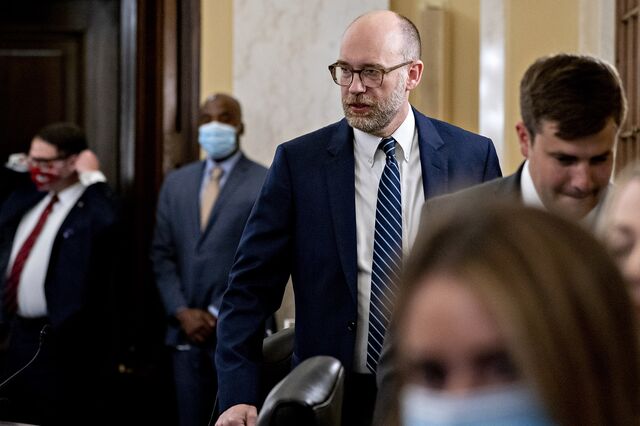
Despite his low profile, Vought has significant influence in Washington. Known as a critical architect of Trump’s government restructuring, Vought combines loyalty with a deep understanding of government operations. Steve Bannon, Trump’s former chief strategist, remarked, “Nobody in DC has a better grip on the numbers and the management process of the federal government than Russ Vought.”
While Musk’s actions draw media attention, Vought’s strategic moves behind the scenes carry weight. On February 8th, Vought ordered the CFPB staff to cease operations and notified the Federal Reserve of the cessation of further funding for the year. Subsequently, he initiated office closures, contract cancellations, and staff reductions. Farman viewed these actions as an attempt to dismantle the CFPB without congressional consent. The Trump administration refuted these claims.
Farman’s idealistic view of her agency’s mission—protecting consumers against financial fraud—clashes with Vought’s perspective. Vought aims to disrupt bureaucratic operations, stating, “We want the bureaucrats to be traumatically affected.” Farman’s union responded by suing, leading to a temporary restraining order halting further actions by Vought. A federal judge noted the agency had been “largely dismantled.”
Contrasts between Vought’s vision and the CFPB’s original goals, envisioned by Senator Elizabeth Warren, highlight the magnitude of Musk and Vought’s ambitions. Musk’s influence in Washington faces challenges due to questionable outcomes and declining approval, with rumors suggesting he might step back from his role. Should Musk exit, Vought stands ready to continue the agenda.
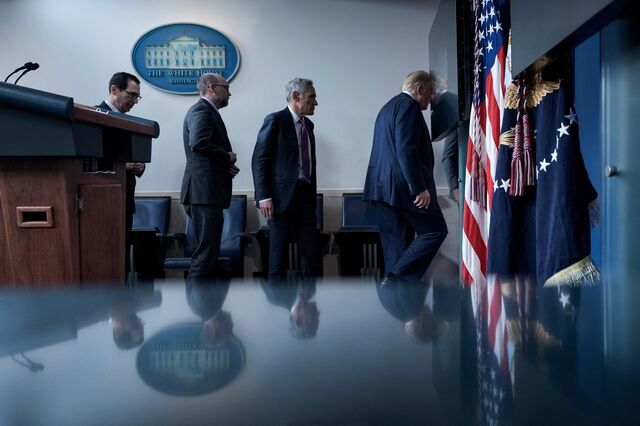
Vought’s rise to prominence began in Connecticut, with a background rooted in modest means and strong religious faith. His education at Wheaton College and subsequent political career forged his conservative ideology. He served Senator Phil Gramm, adopting Gramm’s fiscal conservatism and cultural focus. Vought’s evolution continued as he joined the Heritage Foundation, criticizing congressional Republicans for perceived failures.
During Trump’s first term, Vought became deputy director of the Office of Management and Budget (OMB) and later its director. His tenure was marked by controversy, including a funding dispute over the US-Mexico border wall, which resulted in a government shutdown. Vought’s maneuvering utilized emergency funds despite legal challenges.
Vought’s influence extended to withholding aid to Ukraine, a decision contributing to Trump’s impeachment. His actions were justified as aligning with Trump’s objectives. Vought’s tenure reflects a broader belief in executive power, challenging established norms.
As Musk’s role faces scrutiny, Vought’s strategic acumen and dedication to the administration’s goals position him as a key figure in Washington. His efforts to reshape the federal government and reduce its size continue, with potential legal battles on the horizon.