Nine Individuals, Including Don Lemon, Face Federal Charges Over Minnesota Church Protest
A Minnesota church protest this month has led to federal charges against nine individuals, including former CNN anchor Don Lemon and another journalist. The group is accused of violating federal laws during a protest that disrupted a Sunday worship service at a local church, protesting the dual role of the pastor as a U.S. Immigration and Customs Enforcement (ICE) official.
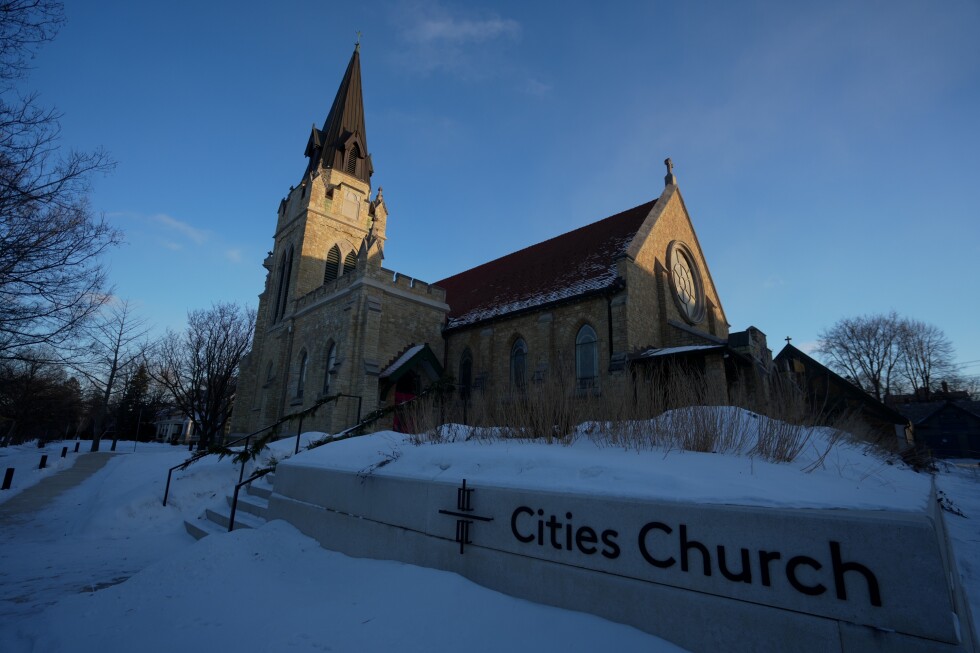
The protest, which occurred at the Cities Church in St. Paul on January 18, sparked widespread condemnation. President Donald Trump, Attorney General Pam Bondi, and various religious leaders denounced the disruption. A Minnesota grand jury indicted the group, including Lemon, on conspiracy charges and for interfering with the First Amendment rights of churchgoers. Lemon was present to cover the protest for his livestream show.
The charges have raised concerns among legal experts and media organizations about the potential chilling effects on media coverage of the Trump administration. David Harris, a law professor at the University of Pittsburgh, noted, “Charging journalists for being there covering the disruption does not mean they were part of the disruption.” Harris emphasized the importance of journalists like Lemon in providing public insight into such events.
Federal Laws Cited in the Charges
The legal actions against the protesters and journalists reference two longstanding federal laws. The Freedom of Access to Clinic Entrances Act (FACE Act), enacted in 1994, aims to protect access to abortion clinics and includes a provision against disrupting worship services. The law was introduced to address violence against clinic workers but has wider applications. Despite calls for repeal by some conservatives, it remains in effect.
The second law, known as the Conspiracy Against Rights, dates back to the post-Civil War era and was initially used against groups like the Ku Klux Klan. It prohibits intimidation or obstruction of constitutional rights and has been applied in various civil rights cases, including the historic “Mississippi Burning” trial. Violations of this law can result in severe penalties, including long prison sentences.
Legal experts highlight the concerning implications of these charges for press freedom. Jonathan Manes from the MacArthur Justice Center stated, “It’s astonishing that the federal government is criminally charging journalists for covering a protest,” emphasizing that reporters covering events are not participating in them.
The ongoing legal proceedings will likely address these complex issues of press freedom and the role of journalists in covering contentious public events.