Justice Department Halts Over $810 Million in Grants, Disrupting Anti-Crime Programs
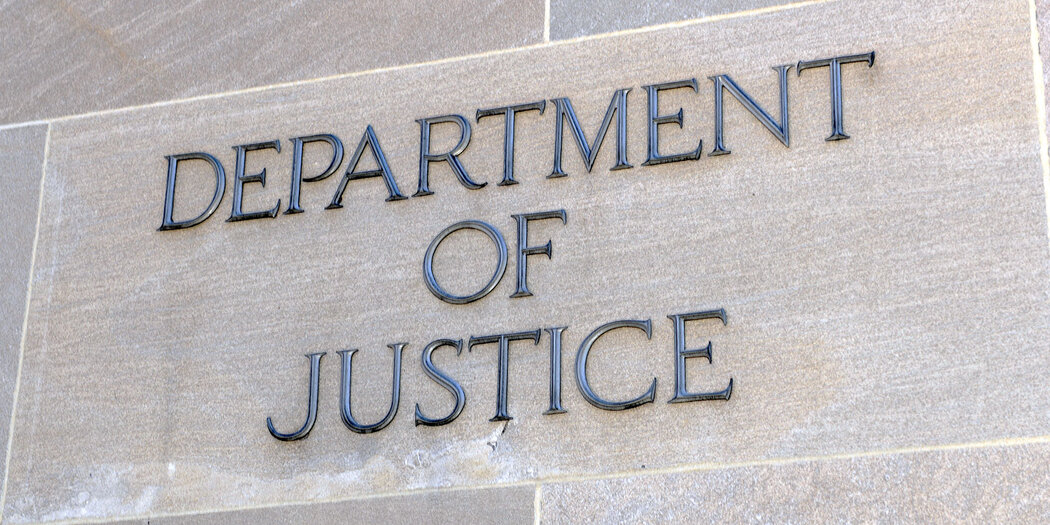
In a significant development, the Department of Justice (DOJ) has rescinded more than $810 million in previously awarded grants, impacting at least 365 grants integral to various anti-crime initiatives. The sudden cessation affects programs managed by nonprofit organizations and local government entities, including law enforcement collaborations.
The grants were essential to public safety efforts, providing support to crime victims, training for law enforcement personnel, and resources for individuals with behavioral health and substance issues. Additionally, these funds facilitated reintegration of former inmates into society and advanced research crucial for informed policy-making. The mid-stream termination of these typical three-year grants introduces financial challenges for nonprofits. While there is a 30-day appeal process, the potential for overturning the decision remains unclear.
The DOJ justified the funding cuts by stating that the grants did not align with its current priorities such as “more directly supporting certain law enforcement operations, combating violent crime, protecting American children, and supporting American victims of trafficking and sexual assault, and better coordinating law enforcement efforts.” Despite this assertion, many affected grants were indeed supporting these very objectives and had received bipartisan support, including during the first Trump administration. The termination of such programs is feared to compromise rather than enhance public safety.
Significant setbacks have been reported among organizations that connect victims with necessary services and aid law enforcement in pursuing hate crimes.
Other affected projects were pivotal in redirecting individuals with mental health and substance challenges towards treatment instead of incarceration. These initiatives also provided housing, employment, and treatment assistance to those reentering society from prison, which enhanced chances of successful reintegration and reduced recidivism.
Additionally, essential efforts to implement the Prison Rape Elimination Act have been curtailed. The initiative that was cut played a critical role in offering training and investigative support to state and local governments in partnership with the DOJ to combat sexual assaults in prisons.
Funds were also withdrawn from a group that, in collaboration with the DOJ, provided training and technical assistance for community violence intervention programs. These funds originated from the Bipartisan Safer Communities Act, introduced in 2022 by then-Senator Marco Rubio. An expert noted that such cuts could undermine the progress made in reducing violent crime, as evidenced by a recent drop in crime rates.
While administrations typically set new priorities for grant allocations, terminating existing grants abruptly is uncommon and potentially wasteful of taxpayer funds already spent. Organizations dependent on these multi-year grants face disruptions in their operations and employment due to this decision, which introduces unpredictability and partisanship into the DOJ’s grantmaking process. This change challenges the DOJ’s role as a leader and reliable ally in advancing a more fair and efficient criminal justice system.
Reflecting on these significant decisions, the DOJ reversed a few cuts, like those aiding crime victims, shortly after the initial announcement. However, this partial retraction does little to mitigate the broader impact on longstanding programs that are vital to public safety and law enforcement.
If the DOJ is committed to enhancing law enforcement, supporting victims, reducing crime, protecting children, combating trafficking, and lowering recidivism, reinstating the grants would be a critical step forward. Continuation and expansion of these initiatives should remain a priority.