Concerns Rise as Oversight at DHS Diminishes Amid Immigration Enforcement
The Department of Homeland Security’s (DHS) watchdog system, crucial for handling civil rights complaints, particularly in immigration detention, has seen significant cuts, raising fears of unchecked abuses. Experts suggest this could enable the Trump administration to act without accountability.
Former oversight officials are alarmed by the swift dismantling of safeguards against human rights violations, especially as the government intensifies its immigration enforcement efforts. A group of dismissed watchdogs has submitted a whistleblower complaint to Congress via the Government Accountability Project (GAP), while human rights organizations have filed a lawsuit demanding the reinstatement of these employees. Concerns are mounting over the weakened oversight system amidst growing criticism of detainee treatment in the expanding immigration detention network.
“They want to be able to abuse people with impunity,” stated Anthony Enriquez, vice-president of US advocacy and litigation at the Robert F Kennedy Human Rights group. He emphasized the goal of operating a system lacking rules to facilitate a mass deportation agenda.
DHS, through assistant secretary for public affairs Tricia McLaughlin, maintains that there are “no sub-prime” conditions in US immigration custody. However, Dana Gold from the GAP stresses that without robust oversight, there’s “a blank check for impunity.”
Since the start of the Trump administration’s second term, hundreds of federal oversight officials, known as watchdogs, have been dismissed, including those at DHS. The Office for Civil Rights and Civil Liberties (CRCL) at DHS, once staffed with 150, is now down to nine, despite handling 550 ongoing investigations into serious civil rights violations by DHS officials and contractors.
Among the active cases were allegations of civil and human rights abuses. For example, a CRCL document revealed an investigation into Border Patrol agents in Arizona who allegedly forcibly removed a detained man from a cell, handcuffed him, and injected him with ketamine in 2023. Another case involved guards at a Louisiana detention center using pepper spray against immigrants during a hunger strike, as reported by a CRCL document. Additionally, a 33-year-old immigrant woman was reportedly mistreated in a Florida jail, leading to a CRCL investigation.
The status of these investigations remains unclear, as DHS did not respond to inquiries about them. McLaughlin issued a statement asserting that the CRCL continues to function efficiently without hindering DHS’s mission.
An investigation by the Guardian, based on interviews with former DHS officials and various documents, indicates that oversight within DHS has almost disappeared since January 2025. Of the remaining CRCL staff, one is the acting officer, Troup Hemenway, a former adviser to a conservative government blueprint project.
Congress had tasked three offices, including CRCL, with oversight at DHS, processing complaints and providing guidance. However, these operations have seemingly slowed or halted.
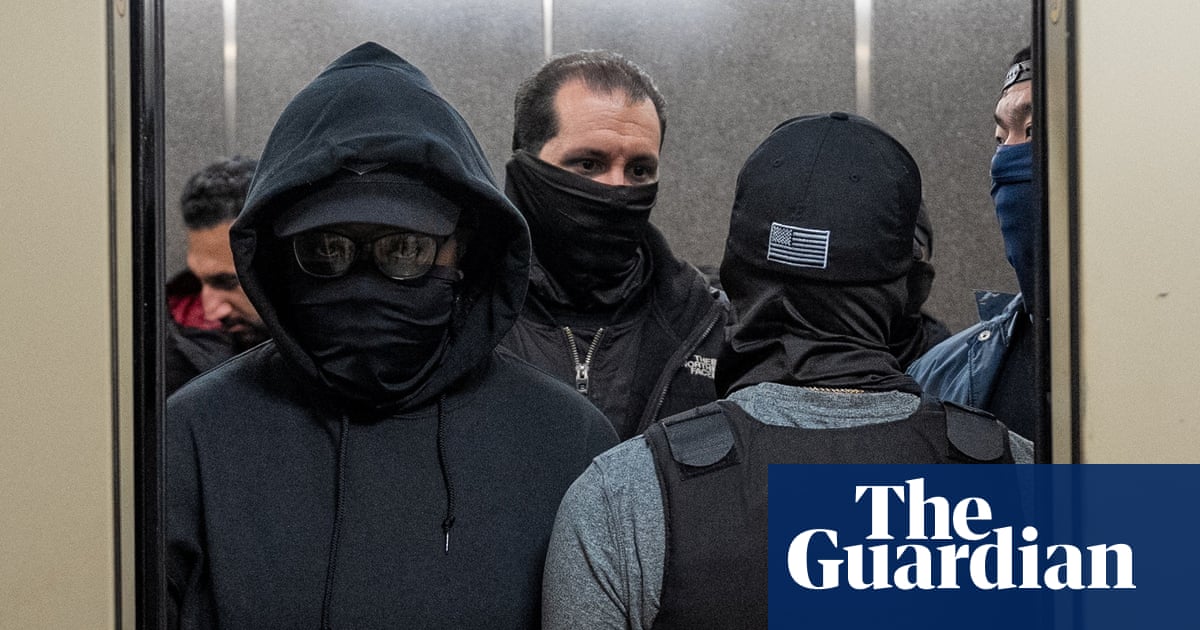
Former officials who filed a whistleblower complaint observed the Trump administration targeting political adversaries and expanding immigration detention without due process. They expressed concern over limited transparency within ICE detention centers and secret holding facilities.
“They don’t care about civil rights concerns,” a former watchdog commented on the Trump administration, citing the mass firings as evidence. In March, DHS officials instructed oversight office employees to cease work, labeling them “internal adversaries.”
A coalition of immigrant rights organizations has sued the administration, demanding the reinstatement of oversight employees, arguing the cuts were illegal. DHS, however, contends that staff reductions are part of a “refocus” to create efficient processes.
Experts warn of the dangers posed by the lack of oversight in ICE operations. In 2023, CRCL’s compliance branch received 3,104 complaints, investigating 25% of them. Former officials question whether current complaints are being addressed.
Sophia Genovese, an immigration attorney, noted the insufficient staffing at CRCL to handle the growing number of detention centers. She reported an increase in ICE threats and coercion against immigrants, which CRCL would typically investigate.
Immigrant advocates have long been frustrated by CRCL’s limited powers to mandate change. Despite its weaknesses, CRCL provided a crucial oversight function, which is now diminished, leaving a “blank check for impunity,” according to Gold.
Previously, CRCL published memos on investigations, aiding journalists and attorneys in exposing conditions within detention centers. However, the Trump administration removed these records from the CRCL website in February. An independent watchdog later published the majority of these records.
Genovese highlighted public protest and legal action as the main avenues for addressing these issues, noting the bravery of individuals in educating the public about detention horrors.