Decentralized U.S. Elections: A Safeguard Against Fraud
As debates about the security of the U.S. election system persist, particularly after the 2020 presidential election, attention is drawn to the advantages of America’s decentralized electoral structure. Unlike nations with a single electoral authority, the United States employs a diverse system managed at state and county levels, offering many layers of security against fraud.
Steve Kornacki, a political correspondent for NBC News and MSNBC, emphasizes the role of this multi-tiered system in enhancing election security. He describes the U.S. electoral process as “vastly decentralized,” which, despite causing delays and inconsistencies, acts as a barrier against widespread tampering. “What it ends up creating is this vastly decentralized system,” Kornacki explained on “The Poynter Report Podcast.” This setup complicates any efforts to coordinate election interference across the country.
Pennsylvania’s Localized Election System
Pennsylvania’s electoral system, under scrutiny following fraud claims related to the 2020 election, demonstrates the efficacy of decentralization. Although allegations of fraud have been made, experts highlight Pennsylvania’s decentralized election management as a key defense. Thad Hall, the election director in Mercer County, explains that the state’s localized system makes large-scale fraud unlikely. He notes that any claims of mishandling ballots would require the cooperation of local residents from both political parties, making such misconduct improbable.
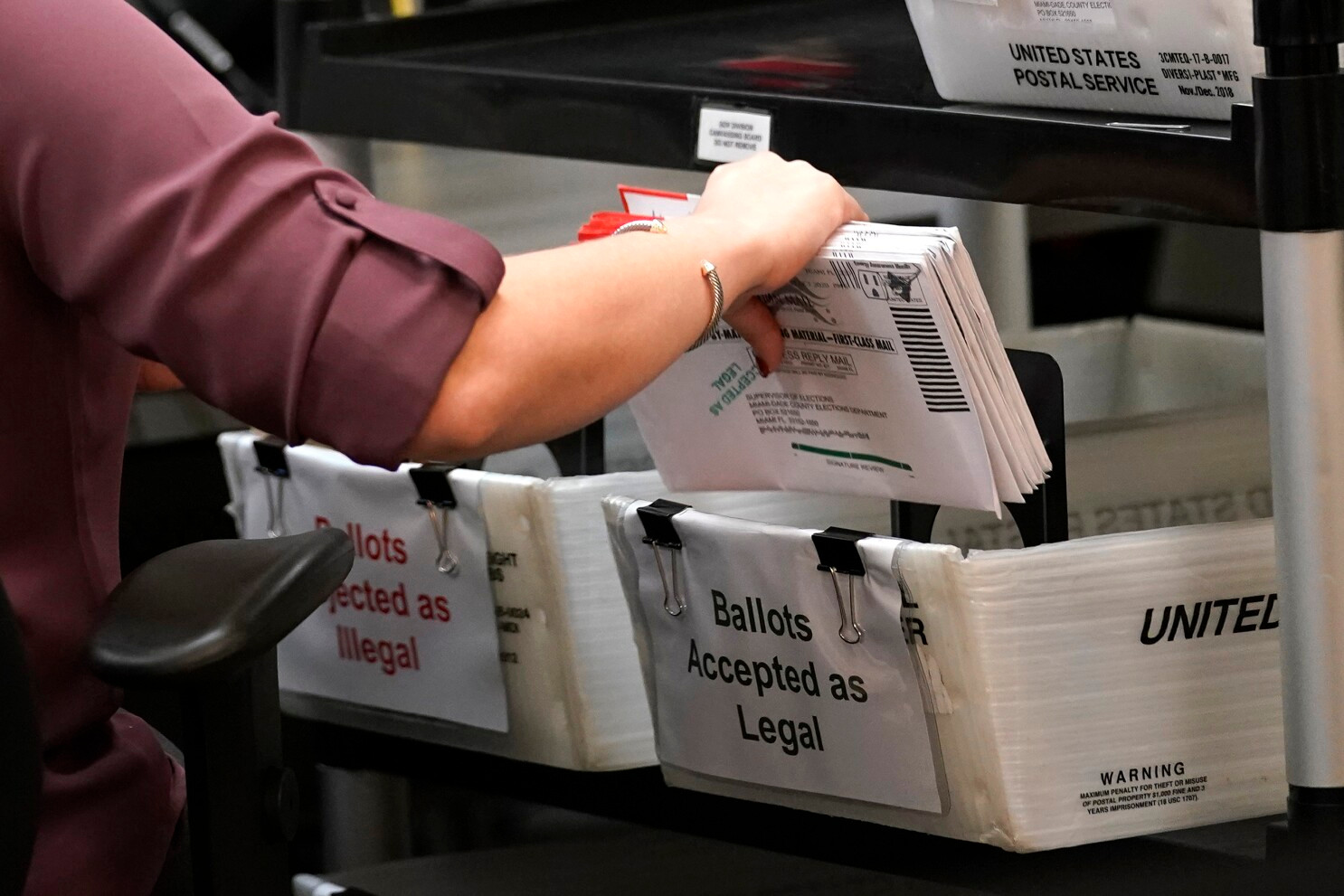
Pennsylvania employs a three-tier election administration: the Department of State, county officials, and local poll workers. This structure ensures election integrity through distinct roles: the Department oversees voter registration and certifies results, counties manage voting machines, and poll workers facilitate Election Day operations. Each of Pennsylvania’s 67 counties has considerable autonomy in managing election logistics, adapting practices to meet local needs within the framework of state laws and precedents.
The state’s election code, largely unchanged since 1937, provides foundational guidelines, while county boards of elections, composed of elected officials, make critical policy decisions. These boards interpret laws, relying on legal advice, court rulings, and collaboration with peers to establish best practices. The Department of State also offers guidance on ambiguous legal issues, aiding counties in navigating election regulations.
During recent elections, Pennsylvania operated around 9,000 polling places staffed by nearly 50,000 poll workers, illustrating significant community involvement. Almost any registered voter can apply to be a poll worker, promoting civic engagement. Poll workers receive training to ensure they fulfill their duties effectively.
These poll workers play crucial roles in maintaining election security. Each precinct is led by a judge of elections, tasked with resolving any issues, tracking voter turnout, and ensuring the safe return of ballots. Other inspectors assist with voter registration, equipment setup, and support the judge. These positions are generally elected every four years, underscoring the community-based nature of the electoral process.
The decentralized nature of elections in both Pennsylvania and the broader United States, characterized by local oversight and volunteer participation, bolsters security against large-scale manipulation. Kornacki succinctly captures this, stating, “It’s not like there’s one central nerve that you can disrupt to change the election result all across the country.” Any attempt to alter election outcomes would require coordination across thousands of precincts, posing a formidable challenge to potential schemers.
By embedding community participation at every level—from state oversight to local poll workers—the electoral process’s integrity is fortified against coordinated interference, reassuring voters of the security and significance of their democratic participation.