Jury Selection Controversy in Alameda County: Calls for Diversity
A jury selection process in Alameda County Superior Court has sparked debate over racial representation. Eboni Route, an Oakland resident, is set to face misdemeanor charges of battery on a police officer and resisting arrest. The case gained attention when it became apparent that the jury selection lacked Black representation.
Among 85 potential jurors, Route’s lawyer, Janeek Mollique, noticed that none of the remaining jurors were Black after a series of excusals for hardships. This observation raised concerns about impartiality for Route, a Black defendant.
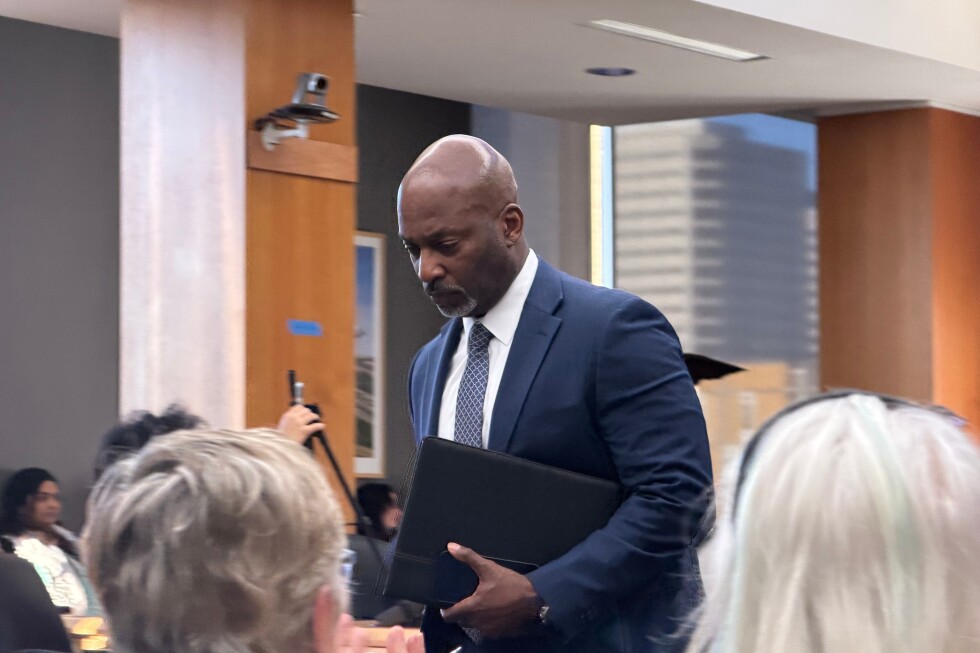
Public defenders, including Chief Public Defender Brendon Woods and attorney Charles Denton, requested a new juror pool to ensure racial diversity. Denton argued, citing a 2021 federal ruling, that courts have the authority to manage jury selection. However, Deputy District Attorney James Logan opposed, suggesting issues could be addressed post-verdict through an appeal, referencing a 1979 Supreme Court case.
Judge Pelayo Llamas supported the existing process, prompting Woods to refuse trial proceedings without a diverse jury panel. “This panel is not a jury of our client’s peers,” Woods insisted, emphasizing the need for fair representation.
Systematic Underrepresentation and Efforts for Change
Woods has long highlighted the underrepresentation of Black jurors in Alameda County, a concern in a city where Black residents make up a significant portion of the population. This issue, he argues, could undermine defendants’ right to a fair trial by their peers, as guaranteed by the Sixth Amendment.
Research indicates that racially diverse juries are perceived as more legitimate and tend to make more balanced decisions. Conversely, all-white juries are linked to higher conviction rates for Black defendants. A 2020 UC Berkeley Law report highlights ongoing racial biases in jury selection.
An ACLU study from 2010 further reveals systemic issues in Alameda County’s jury pools, where Black and Latino individuals are underrepresented.
To address these disparities, California launched a pilot program in 2022 to increase juror pay, aiming to ease financial burdens and encourage participation. However, funding for this initiative was later retracted by Governor Gavin Newsom, leaving its future uncertain.
New Developments in Route’s Case
In response to the absence of Black jurors, Woods filed a motion under the California Racial Justice Act, asserting that the lack of diversity violated Route’s right to a fair trial. Although Judge Llamas denied the request for a new panel, he agreed to call additional jurors.
During a subsequent jury selection, 56 new individuals appeared, including four Black potential jurors. However, the judge maintained the original jury pool, limiting the likelihood of a diverse jury.
Efforts to merge both juror groups to increase diversity were declined. Despite this, Woods remained firm in his advocacy for fair representation, stating, “The fact that we were about to have a trial in Oakland, California, with a Black client who’s pregnant, and the charges were that she assaulted a police officer and resisted arrest, without a single Black juror, required my intervention.”
___
This report was initially published by The Oaklandside and shared via a partnership with The Associated Press.