Oil prices experienced a significant surge on Monday, surpassing $100 per barrel for the first time in almost four years. This sharp increase saw oil futures momentarily approach $120 overnight before speculation of international interventions to mitigate fuel expenses calmed the market.
As the day progressed, US crude futures rose by approximately 11%, increasing by $8 to hover around $99 per barrel. Meanwhile, Brent crude experienced a $9 rise, reaching about $101. Both benchmarks achieved their largest single-day dollar increases, although they fell short of the record $11 hike. The previous peak was a $10.75 rise on June 6, 2008.
Impact of Supply Disruptions
Experts point to the ongoing conflict with Iran as a primary reason for the price hike, particularly due to a near halt in tanker movement through the Strait of Hormuz and reduced output from the Middle East. This narrow passageway sees nearly 20% of the world’s oil transit, but threats from Iran to target passing vessels have essentially stopped shipments.
According to Rapidan Energy Group’s historical analysis, the current disruption, affecting about 20% of global supply, is nearly double the impact of the Suez Crisis in 1956–57. The usual market buffer of spare production capacity is no longer available, as Saudi Arabia and the United Arab Emirates face obstructions in key export routes.
“The result is a market with no meaningful cushion. There is no swing producer to step in,” Bob McNally, founder and president of Rapidan, noted in a client advisory. With limited offloading opportunities, regional producers are reaching storage limits and are cutting back on production.
Consequences for Retail Prices and Future Contracts
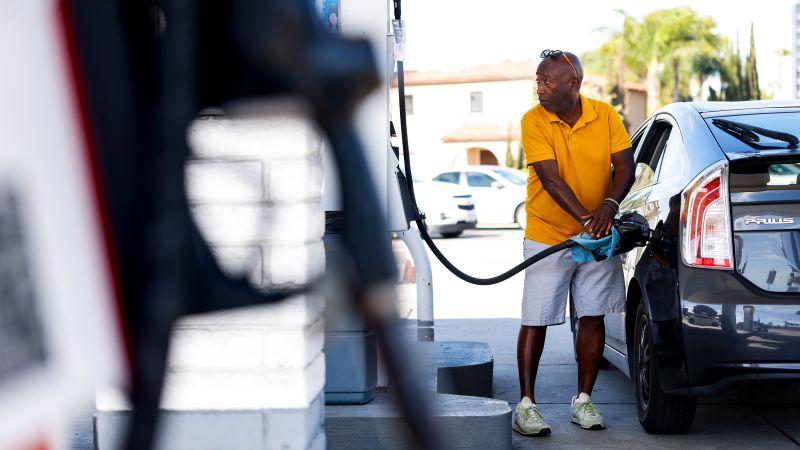
The rise in crude prices has led to a 50-cent increase in US gasoline prices over the past week, reaching an average of $3.48 per gallon—exceeding any price during President Donald Trump’s administration. However, some traders suggest the current crisis may be temporary. Dan Pickering, founder and chief investment officer at Pickering Energy Partners, observed that “oil futures are trading in the high $60s” for delivery years 2027 and 2028.
The situation remains tense, with no immediate resolution in sight. Homayoun Falakshahi, lead crude research analyst at Kpler, stated, “I would say that the move is a bit overdone in the very short term, but if between now and the end of March you don’t have an amelioration of traffic around the strait, we could go to $150 a barrel.”
Government Measures to Stabilize the Market
In response to escalating prices, policymakers are examining ways to alleviate the financial strain. G7 finance ministers convened on Monday to discuss a potential coordinated release of strategic oil reserves. Concurrently, the Trump administration is advocating for an insurance program for tankers passing through the strait, as maritime insurers are hesitant to cover vessels facing attack risks.
The White House also announced plans to secure naval escorts for ships, yet an operational strategy has not been disclosed, and shipping companies remain cautious about navigating the area amid ongoing hostilities.
“The higher the price goes, the more pressure on the Trump administration to do something to protect the strait,” remarked Pickering. “The longer it takes to re-open, the more upward pressure on price. A reinforcing cycle.”