Legal Actions Resume Over Snake and Columbia River Dam Operations
In a significant legal development, attorneys representing conservation groups, Native American tribes, and the states of Oregon and Washington are set to return to court. Their goal is to push for operational changes at dams along the Snake and Columbia Rivers, following the breakdown of a pivotal agreement with federal authorities aimed at reviving critically endangered salmon populations.
Last year, the Trump administration terminated a 2023 agreement crafted by the Biden administration. This agreement had pledged $1 billion over ten years to assist in salmon restoration efforts while simultaneously enhancing tribal clean energy projects. The White House criticized the deal as “radical environmentalism,” expressing concerns about the potential breaching of four contentious Snake River dams.
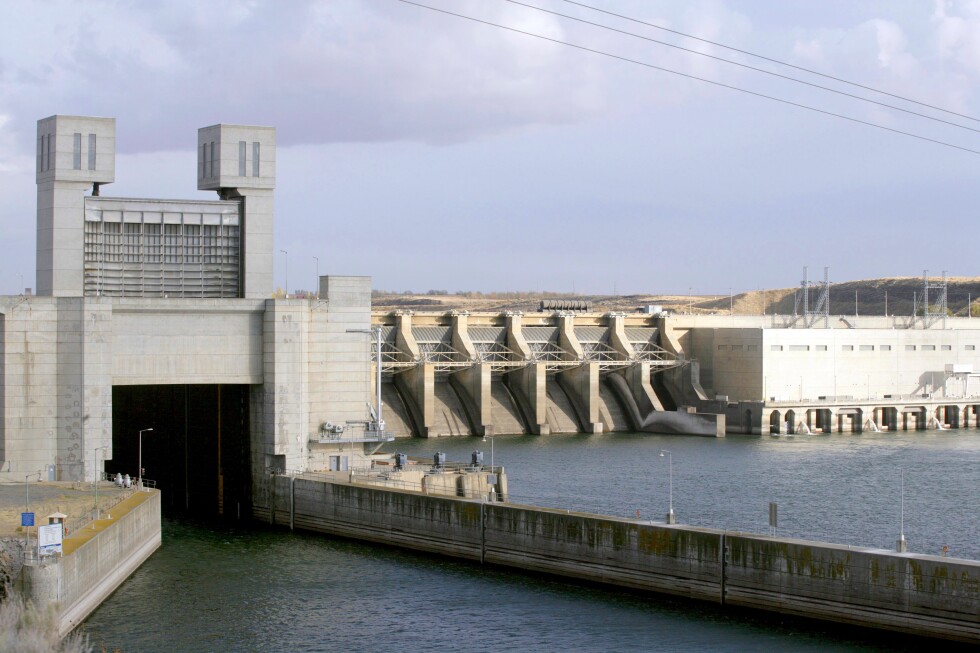
The plaintiffs contend that current dam operations contravene the Endangered Species Act. They are urging the court to mandate changes at eight major hydropower dams, including the reduction of reservoir water levels to facilitate faster fish passage and an increase in spill to help juvenile fish bypass turbines.
Federal representatives have described the request in court documents as a “sweeping scheme to wrest control” of the dams, arguing it could jeopardize their safe and efficient operation. Such a court order, they warn, might also result in higher utility rates for consumers.
Kristen Boyles, managing attorney with Earthjustice, a nonprofit law firm representing conservation, clean energy, and fishing groups, remarked, “We’re returning to court because the situation for the salmon and the steelhead in the Columbia River Basin is dire. There are populations that are on the brink of extinction, and this is a species which is the center of Northwest tribal life and identity.”
The legal proceedings were reignited after Trump withdrew the U.S. from the Resilient Columbia Basin Agreement last June. This pact, involving Washington, Oregon, and four Native American tribes, had temporarily halted litigation.
The motion for a preliminary injunction was filed by plaintiffs including Oregon and a coalition of conservation and fishing organizations such as the National Wildlife Federation. Washington state, the Nez Perce Tribe, and Yakama Nation have joined as “friends of the court” in this case, which will be heard in the U.S. District Court in Portland.
The expansive Columbia River Basin, comparable in size to Texas, was historically the world’s leading salmon-producing river system, hosting at least 16 stocks of salmon and steelhead. Currently, four stocks are extinct, and seven are listed as endangered or threatened. Additionally, the survival of an endangered population of killer whales in the Northwest is linked to these salmon.
The construction of initial dams on the Columbia River in the 1930s, including the Grand Coulee and Bonneville, generated employment during the Great Depression and provided hydropower and navigation benefits. These developments enabled Lewiston, Idaho, to become the most inland seaport on the West Coast, with many farmers relying on barge transportation for their crops.
However, proposed dam modifications face opposition. The Inland Ports and Navigation Group has stated that increasing spill could “disproportionately hurt navigation,” potentially disrupting commerce and adversely affecting communities and the economy.
Nevertheless, the dams are often cited as a major factor in the decline of salmon, which hold significant cultural and spiritual importance for regional tribes. The dams under scrutiny for potential changes include Ice Harbor, Lower Monumental, Little Goose, and Lower Granite on the Snake River, along with Bonneville, The Dalles, John Day, and McNary on the Columbia River.