Lawsuits Seek Consumer Reimbursements from Tariff Refunds
Recent legal actions in the United States have seen retail customers filing class-action lawsuits against companies such as FedEx and EssilorLuxottica over tariff-related refunds. These lawsuits aim to ensure that consumers receive a portion of any refunds businesses obtain due to tariffs deemed illegal by the U.S. Supreme Court.
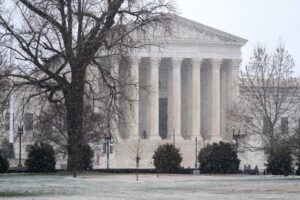
The Supreme Court recently invalidated tariffs imposed under the International Emergency Economic Powers Act (IEEPA), which were estimated to have a financial impact between $130 billion and $175 billion. This decision has sparked a wave of protective lawsuits by over 1,000 companies, including major firms like Revlon and Costco, who are looking to secure reimbursement through the U.S. Court of International Trade and U.S. Customs and Border Protection.
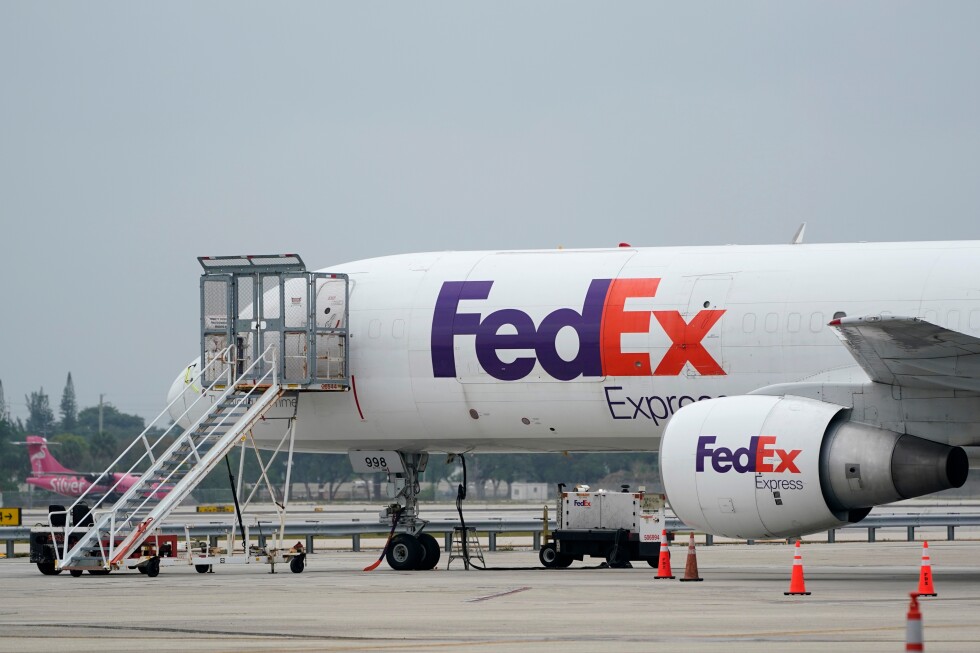
FedEx has publicly stated that any tariff refunds it receives will be returned to its shippers and customers. However, a lawsuit filed by Matthew Reiser of Miami argues that this promise lacks legal obligation and depends on uncertain future government and court directives. Reiser claims to have paid $36 in tariffs on tennis shoes shipped from Germany via FedEx.
Meanwhile, Nathan Ward from New York has initiated a separate class-action lawsuit against EssilorLuxottica, the parent company of Ray-Ban. Ward alleges that the company charged higher prices due to a tariff surcharge on sunglasses and has not refunded these additional charges, despite seeking a refund for the tariffs themselves.
Legal experts, such as Barry Appleton of New York Law School, suggest that more consumer lawsuits are likely, particularly against companies that have transparently itemized tariff charges on their billing statements. Appleton notes the pressure these lawsuits place on companies to consider sharing any obtained refunds with customers.
Appleton stated, “What we are watching is the predictable next chapter of the IEEPA story. The Supreme Court told the White House it overreached, the major importers lined up for refunds, and now ordinary consumers are asking the obvious question — if those duties were illegal, why shouldn’t we get our money back too?”
“`