Turnover in Congress: A Double-Edged Sword for Reform
The political landscape in the United States is witnessing significant changes as a growing number of congressional members retire, citing reasons such as partisan gridlock and inefficient processes. This wave of retirements could potentially rejuvenate Congress with new energy. However, centralized party leadership, incessant fundraising demands, and concerns about political violence restrict the legislative capabilities of newcomers. To effectively address these challenges, systemic changes are essential.
Political scientist Roger Davidson highlights the role of “procedural entrepreneurs” in institutional reform. According to Davidson, “In every era, at least a few members of Congress cultivate a lively interest in the institution itself. . . . Such members might be called procedural entrepreneurs, in contrast to the more numerous policy entrepreneurs.” These innovators often emerge from among junior or minority-party members, as they have less invested in maintaining the current status quo.
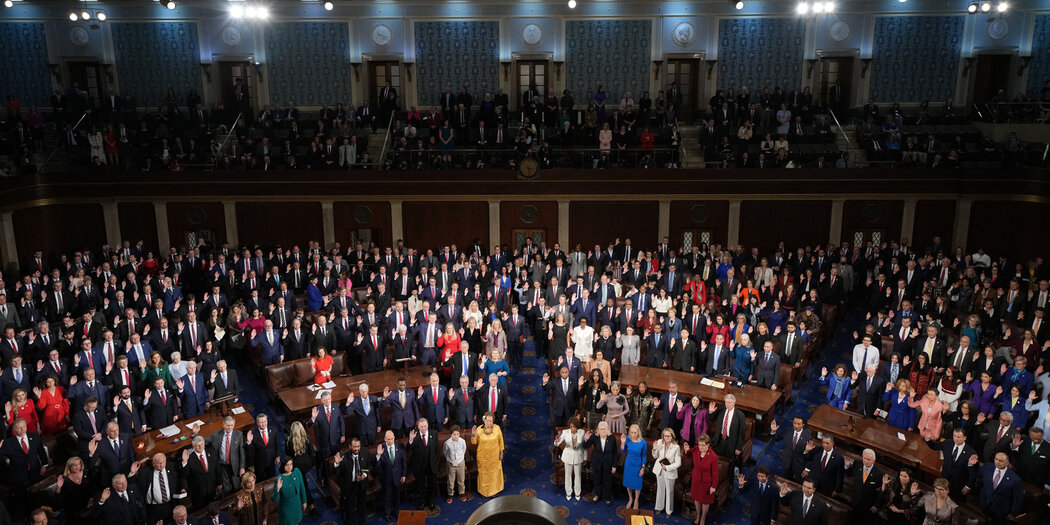
Past freshmen congressional classes have been instrumental in implementing significant reforms. For instance, the class of 1974, in response to the Watergate scandal, implemented changes that dismantled the seniority system. In 1994, 73 new lawmakers promoted a “Contract for America,” leading to significant shifts in congressional processes. More recently, the class of 2018, comprising members who were “younger, bluer, and more diverse than ever,” established the Select Committee on the Modernization of Congress, pushing for critical policy reforms.
Freshmen lawmakers often bring unique perspectives. Lauren Underwood (D-IL), a member of the class of 2018, collaborated with Alma Adams (D-NC) to form the Black Maternal Health Caucus. Underwood stated, “We did this because women are dying every day, and I am the first and only young Black woman who has ever been here.” She emphasized the importance of Congress addressing issues relevant to all Americans, noting, “If you do not have a Congress that reflects the lived experiences of the American people, their issues don’t get raised.”
Despite their potential, freshmen members face challenges due to inadequate onboarding. Many struggle with basic logistical and procedural aspects of their roles. Rep. Chrissy Houlahan (D-PA) remarked on her experience, saying, “Orientation was pretty content-free. They told us, ‘Here is your health insurance, here is how you get paid.’ . . . I could have used more information about how you actually are a congressperson.”
Further complicating matters is the increasing authority of congressional leadership, a shift initiated by Newt Gingrich in the 1990s. This has left individual members, especially newcomers, with diminished power. Additionally, the legislative process has become more rushed, with bills often returning to the chamber for a vote with minimal committee deliberation. In 2018, for example, members had just 18 hours to review a lengthy 2,200-page bill.
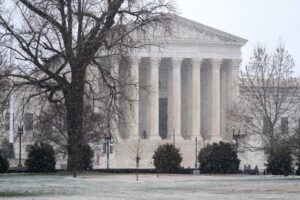
Campaign finance pressures also play a significant role. Following the Supreme Court’s decision in Citizens United v. Federal Election Commission, unlimited contributions have become permissible, leading lawmakers to dedicate significant time to fundraising rather than legislating. A Congressional Management Foundation study reports that only one-third of a congressperson’s time is spent on legislative duties.
Moreover, the threat of political violence, exacerbated by technological changes and relaxed gun laws, poses a constant risk to lawmakers. This environment dissuades engagement with contentious issues. Rep. Veronica Escobar (D-TX) expressed her concerns, stating, “I’ve never been more terrified.”
To enable effective reform and empower freshmen lawmakers, Congress needs to prioritize comprehensive onboarding programs, campaign finance reform, and enhanced safety measures. Increasing staff support and budget allocations for members could further bolster their legislative effectiveness.