President Petro Appeals for Economic Emergency Decree Reinstatement
In a bid to tackle the aftermath of devastating floods, Colombian President Gustavo Petro has urged the nation’s constitutional court to reconsider its suspension of an economic emergency decree. This decree would allow the government to impose taxes without the consent of Congress, facilitating the collection of the necessary funds for recovery efforts.
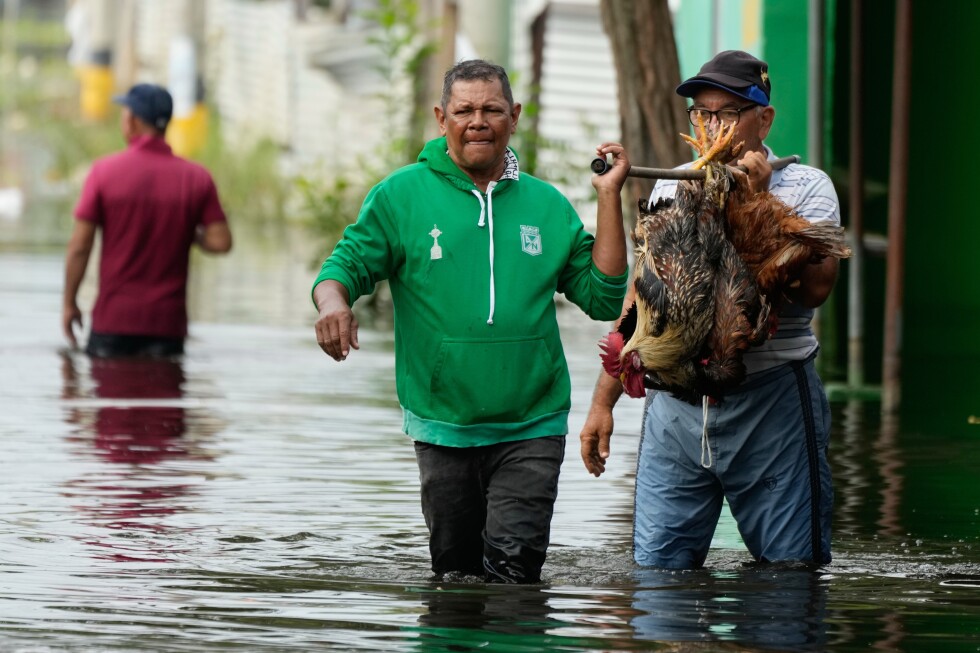
During a televised Cabinet meeting, Petro emphasized the urgency of raising tens of millions of dollars to support the recovery in the northern provinces of Colombia, where floods have resulted in 14 fatalities and displaced approximately 69,000 individuals. “The best thing would be for the suspension (on the emergency decree) to be lifted,” stated Petro, highlighting the challenges of financing reconstruction without additional fiscal measures.
Previously, the government had attempted to pass a tax reform aiming to increase revenue by $4 billion by 2026, but it was unsuccessful. Subsequently, in late December, amid a holiday break in Colombian courts, Petro enacted the economic emergency decree to enable tax increases without legislative approval.
The decree highlighted the need for additional funds to address multiple urgent issues, including protection against rebel group drone attacks and settling debts with healthcare providers. However, in January, the constitutional court halted the decree, arguing that the reasons presented were not unforeseen emergencies.
The government is now pressing for the court to overturn its decision, pointing to the necessity of additional funds for flood relief in Sucre and Córdoba, predominantly rural areas in northwestern Colombia. Interior Minister Armando Benedetti remarked, “If the court lifts the suspension on the decree we will have the resources to tend to this crisis.”
According to Colombia’s National Meteorology Institute, the floods were caused by two cold fronts in the Caribbean, bringing intense rains and winds, with some regions receiving a month’s worth of rain within a week. In Monteria, the largest city in Córdoba, streets remained submerged, forcing residents to use canoes for transportation and salvage operations. Rodolfo Ortega, a Monteria resident, noted, “Many of our things have rotted. The only thing we have been able to recover are our clothes.”
For more coverage on Latin America and the Caribbean, visit https://apnews.com/hub/latin-america.