Bernard LaFayette, Key Figure in Selma Voter Registration Efforts, Passes Away
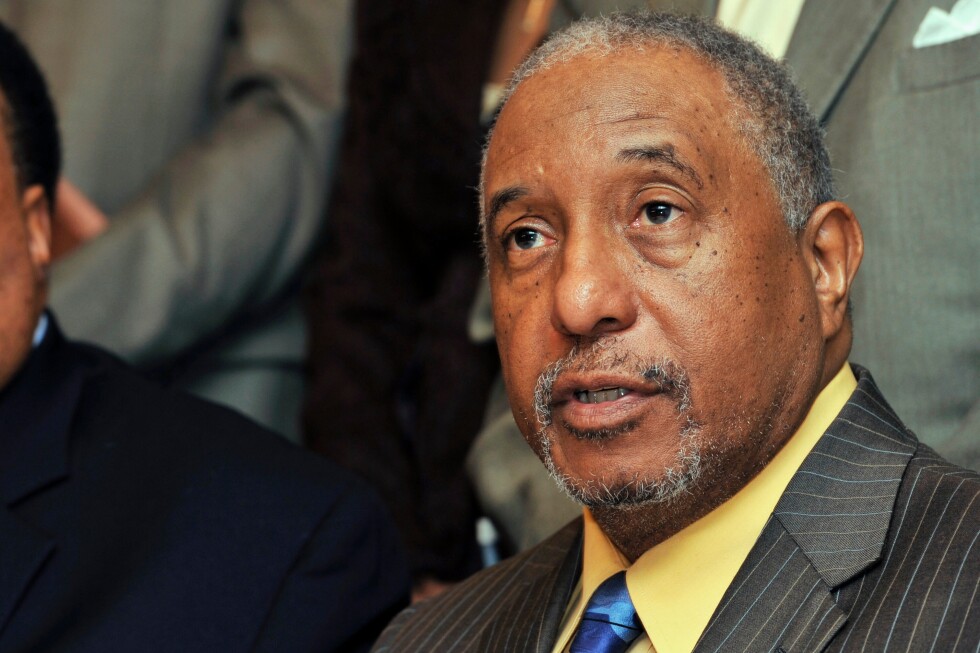
NASHVILLE, Tenn. (AP) — Bernard LaFayette, a pivotal figure in the civil rights movement known for his work in Selma, Alabama, has passed away at the age of 85. His son, Bernard LaFayette, III, confirmed that he died from a heart attack on Thursday morning.
The events of March 7, 1965, known as “Bloody Sunday,” where demonstrators, including future congressman John Lewis, were brutally attacked on Selma’s Edmund Pettus Bridge, became a catalyst for the Voting Rights Act of 1965. Yet, it was Bernard LaFayette’s groundwork years earlier that laid the foundation for this historic moment. His quiet efforts in Selma, starting in 1963, were crucial in mobilizing local leadership and instilling hope for change.
LaFayette was a founding member of the Student Nonviolent Coordinating Committee (SNCC), which played a significant role in desegregation and voting rights initiatives across the southern United States. Despite initial hesitations due to the hostile environment in Selma, he persisted, assuming the role of director for the Alabama Voter Registration Campaign. His memoir, “In Peace and Freedom: My Journey in Selma,” details these efforts.
LaFayette’s activism was not without danger. On the same night that Medgar Evers was assassinated, LaFayette survived an attack outside his home. His approach to nonviolence, which he described as a “struggle of the human spirit,” was tested as he found himself mediating between his assailant and a protective neighbor with a rifle.
By the time of the 1965 Selma-to-Montgomery march, LaFayette had moved to Chicago, working on new projects. Though he missed the infamous “Bloody Sunday,” he quickly organized support for the subsequent march, which was bolstered by President Lyndon Johnson’s introduction of the Voting Rights Act to Congress.
Early Influences and Activism
Born in Tampa, Florida, LaFayette’s early experiences with racial injustice, such as a traumatic incident with his grandmother on a trolley, fueled his commitment to civil rights. His path was further shaped by his education at Nashville’s American Baptist Theological Seminary, where he roomed with John Lewis. Together, they orchestrated efforts that led to Nashville becoming a pioneer in desegregating public spaces.
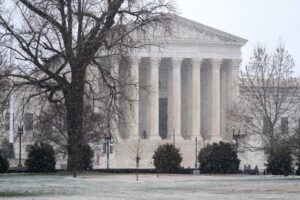
President Barack Obama highlighted their courage in a eulogy for Lewis, recalling how they defied segregation laws while traveling home for Christmas in 1960, shortly after a Supreme Court ruling against such practices.
LaFayette’s involvement in the 1961 Freedom Rides, which challenged segregation on interstate buses, marked another significant chapter in his activism. Despite the risks, including being beaten and jailed, he remained steadfast in his mission for equality.
Beyond Selma
In Chicago, LaFayette focused on training young Black leaders and addressing urban issues such as tenant rights and lead poisoning, which were pressing concerns in the 1960s. His efforts were instrumental in advocating for tenant protections and initiating the nation’s first lead poisoning screenings.
Throughout, LaFayette maintained a low profile. “He has avoided the spotlight,” said Mary Lou Finley, a colleague from his Chicago days. His work extended beyond the United States, conducting nonviolence training and interventions globally, from South Africa to Nigeria.
LaFayette’s legacy includes his role in Martin Luther King Jr.’s Poor People’s Campaign, serving as its national coordinator until King’s assassination. King’s last conversation with him emphasized the global potential of the nonviolence movement, a vision LaFayette pursued diligently.
Following King’s death, LaFayette completed his education, earning advanced degrees from Harvard University, and continued his commitment to peace and justice in various academic and ministerial roles. His life’s work, as he wrote, was a testament to the belief that life’s significance is determined by our contributions, not its duration.