Chinese Artist Gao Zhen Sentenced for Satirical Artwork
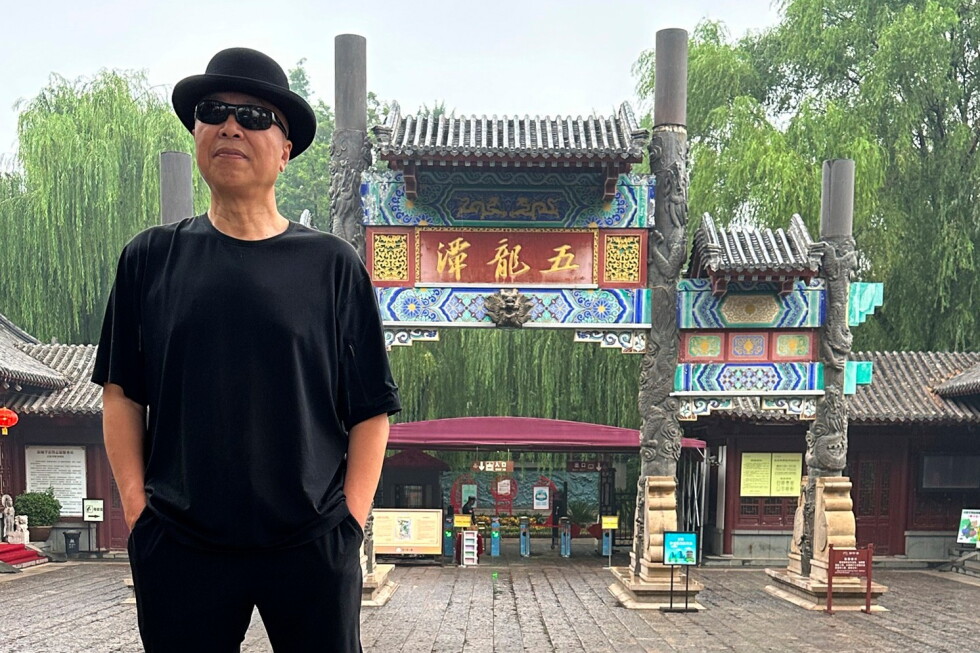
A Chinese court has sentenced artist Gao Zhen to three years in prison for artworks deemed to “infringe upon the reputation of heroes.” Gao, part of the Gao Brothers art duo, was convicted for satirical pieces, including depictions of former Chinese leader Mao Zedong.
Gao, who resides in the United States, was detained in China during a family visit in August 2024. His wife, Zhao Yaliang, confirmed the sentencing by the Sanhei People’s Court in Hebei province.
The artworks in question, including a 2009 statue titled “Mao’s Guilt” and a caricature series “Miss Mao,” were identified by Chinese authorities as “insulting to revolutionary figures.” The controversial pieces portray Mao Zedong in a repentant pose and with exaggerated features.
Chinese Human Rights Defenders’ researcher Shane Yi argued that the case highlights a violation of freedom of expression. Yi noted that the artworks predate the 2018 law under which Gao was sentenced, and confirmed plans to appeal the ruling.
The court did not provide any immediate comment on the case. Amnesty International has criticized the sentence, describing it as a measure to stifle artistic freedom. “The lengthy pre-trial detention and, ultimately, decision to convict Gao Zhen and sentence him to the maximum three-year prison term under this offense illustrate the authorities’ determination to deter others from engaging in independent artistic expression,” stated Sarah Brooks, Amnesty’s China Director.
Brooks emphasized that “no artist should face criminal punishment for creating work that challenges official narratives or encourages critical reflection on history.”
Zhao Yaliang expressed her disappointment over the verdict, hoping for a future reunion with her husband in the U.S. “I felt two years was my limit, and I was really disappointed and sad. I haven’t been able to catch my breath,” she said, noting she had even prepared clothes for his anticipated release.
The Gao Brothers gained international recognition for their provocative works addressing themes of censorship and authoritarianism. Their art was showcased during a period of relative openness in China, both domestically and internationally.
However, the Chinese government’s stance on criticism of political figures has intensified, especially following the enactment of the 2018 law prohibiting defamation of national heroes.