China’s Expanding Presence in Latin America through Exports
China is increasingly making its mark in Latin American markets with a surge of low-cost exports, particularly in the automotive and e-commerce sectors. This shift comes as Chinese exporters seek new markets following trade tensions with the United States.
As the second-largest economy globally, China is eager to tap into Latin America’s rich natural resources and burgeoning markets, simultaneously expanding its geopolitical influence. This region is becoming a critical partner for China, especially as it seeks alternatives to markets impacted by U.S. tariffs.
Chinese companies, facing reduced domestic demand, are expanding their reach into Latin America, a region comprising over 600 million consumers. This movement is coupled with a notable decline in exports to the U.S., which dropped by 20% last year.
Margaret Myers, director of the Asia and Latin America program at the Inter-American Dialogue, noted, “Latin America has a solid middle class, relatively high purchasing power and real demand,” making it an attractive market for China’s surplus production.
Impact on Local Industries
The influx of Chinese exports, including automobiles, clothing, and electronics, has led some Latin American countries like Mexico, Chile, and Brazil to implement protective measures such as increased tariffs to shield their domestic industries.
China’s E-Commerce Influence
Chinese e-commerce giants like Temu and Shein are quickly gaining traction in Latin America, appealing to consumers with competitively priced goods. Temu reported a 165% increase in monthly active users in Latin America in the first half of 2025, according to Sensor Tower. Shein also saw an 18% rise in users.
Lady Mogollon, a restaurant manager in Chile, shared, “I use Temu all the time, whether to buy clothes or household items. The same things I would find in brand-name stores or shopping malls, I find on Temu at a much lower price.”
Challenges for Local Businesses
Local businesses are struggling to compete with the influx of Chinese goods. In Mexico City, the number of shops selling Chinese products has surged, often at the expense of long-established local businesses. Ángel Ramírez, a lamp shop manager, expressed concerns over the dominance of Chinese merchandise in the market.
Economic Implications and Local Responses
Argentina is notably affected by the rise in Chinese imports, which has led to factory closures and layoffs. The country’s e-commerce imports, largely from China, increased by 237% in October compared to the previous year.
Luciano Galfione, president of Pro Tejer Foundation, highlighted the issue, stating, “We’re operating at historically low capacity as imports break record highs.”
Chinese Automotives in Latin America
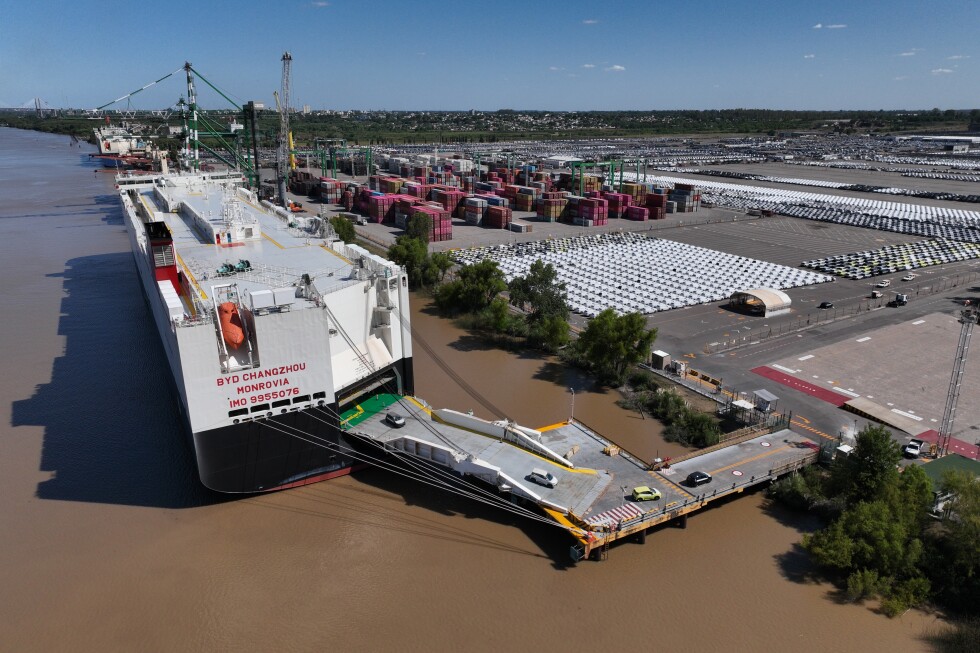
Chinese automakers are making significant inroads in Latin American auto markets. In Brazil, Chinese brands accounted for over 80% of the 61,615 electric vehicles sold in 2024. Mexico has similarly become a major destination for Chinese auto exports.
Despite established local auto industries, China’s competitive pricing and government support for electric vehicles give it an advantage. Jorge Guajardo, a consultant and former Mexican ambassador to China, noted, “China does have a comparative advantage on EVs.”
Trade Dynamics and Infrastructure Investments
China’s demand for Latin American resources, such as Brazil’s lithium and Chile’s copper, is growing. Yet, trade deficits with China are a concern for many countries in the region. Despite this, China remains a substantial economic partner, having provided approximately $153 billion in loans and grants to the region from 2014 to 2023.
China is also investing heavily in infrastructure projects, such as a $1.3 billion megaport in Peru, illustrating its commitment to enhancing connectivity and trade routes in Latin America.
Protectionist Measures and Trade Policies
Some Latin American countries are taking steps to limit Chinese imports. Mexico has introduced tariffs up to 50% on various Chinese goods, while Brazil is eliminating import tax exemptions on low-value parcels.
However, as Leland Lazarus of Lazarus Consulting cautioned, “They can’t go too far, or China may retaliate in kind.”