China Raises Concerns Over U.S. Trade Investigations Amid Paris Talks
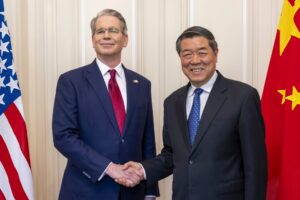
In a recent series of discussions held in Paris, China cautioned that the latest tariff strategies by the United States under President Donald Trump could negatively affect bilateral trade relations. These high-level negotiations come as both countries prepare for a potential visit by Trump to China.
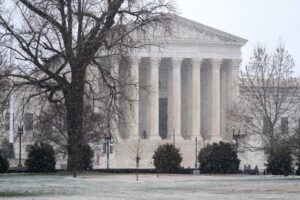
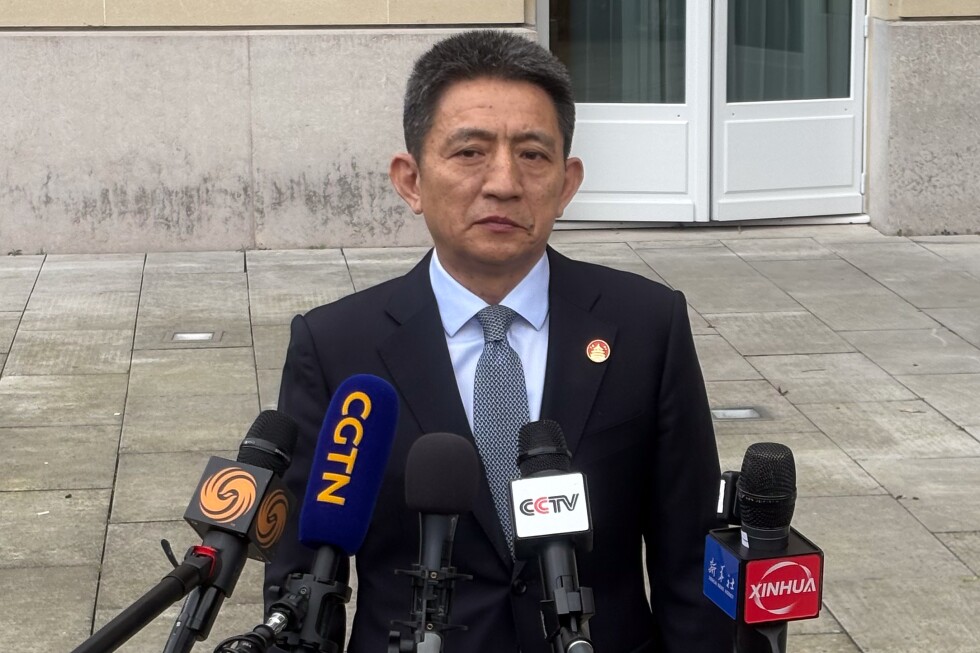
Li Chenggang, representing China on international trade matters, expressed significant concerns regarding the U.S. investigations into foreign manufacturing practices. These inquiries were initiated after a decision by the U.S. Supreme Court to invalidate previous tariffs. “We are concerned that the possible results of such investigations may interfere with or damage the hard-won and stable China-U.S. economic and trade relations,” Li stated to the press. The discussions also involved the potential extension of tariff and non-tariff measures, with China voicing apprehensions about the uncertainties these could introduce. Both parties committed to efforts aimed at maintaining tariff stability.
The Paris talks were part of the preparations for Trump’s planned visit to China in the coming weeks. However, Trump has hinted at a possible delay of this visit, though Li did not comment on this aspect or entertain questions from the media.
U.S. Treasury Secretary Scott Bessent, who headed the American delegation, characterized the dialogues as “constructive,” emphasizing that the meetings aim to prevent retaliatory actions. “The purpose of these meetings is to prevent any retaliation,” Bessent commented.
This anticipated visit by Trump would mark his first trip to China since 2017, following a recent meeting with Chinese President Xi Jinping in Busan, South Korea. The rekindling of U.S.-China relations follows a tariff war that had seen import duties rise sharply. The two nations had subsequently settled on a one-year truce.
Despite recent progress, the ongoing conflict in Iran presents a new challenge. Trump has suggested that the much-anticipated visit to China may be postponed as he seeks Beijing’s assistance in reopening the Strait of Hormuz, a critical passage for oil shipments, amidst escalating oil prices. Bessent, however, clarified that any delay in the visit would not be related to pressure on China regarding the Strait.
“If the president’s visit is postponed, it would have nothing to do with the Chinese making a commitment to the Straits of Hormuz,” Bessent assured reporters. He further added that any postponement would be based on the President’s decision to remain in the U.S. during the ongoing conflict.
U.S. Trade Representative Jamieson Greer, who was also part of the discussions, mentioned that the talks aimed to establish a framework for the Trump-Xi meeting, focusing on “potential deliverables.” The agenda also included the contentious trade investigations that are of concern to China.
Greer explained, “We started these talks, really, by giving them a preview of what we’re doing on U.S. trade policy as we adjust to the Supreme Court.” He emphasized that while the tools of trade policy might change, the policy itself remains consistent, and the aim is to conduct investigations without prejudgment.