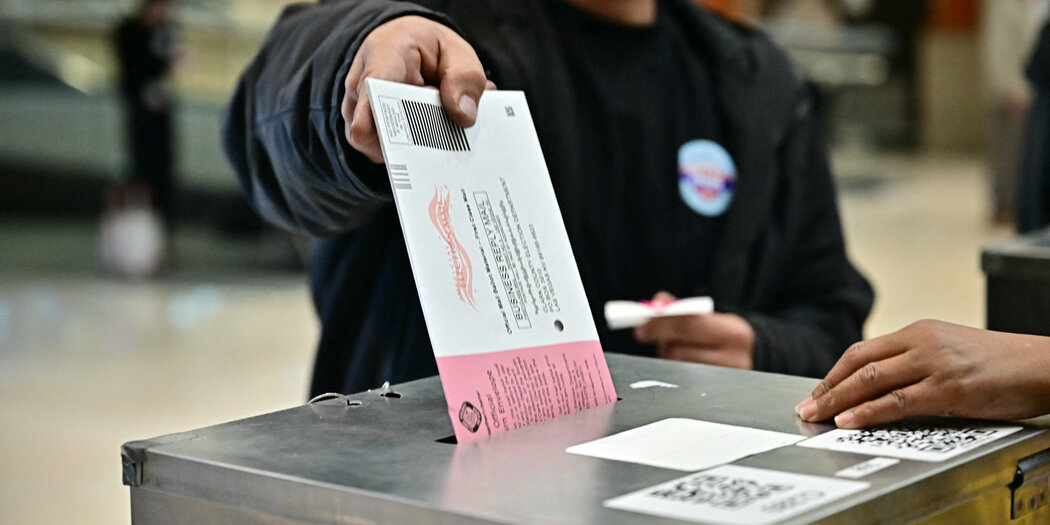
As the voting season approaches, election officials nationwide have already been at work for months, ensuring the security and accuracy of the elections. This meticulous preparation includes procuring voting materials, testing equipment, and instituting safety measures to guarantee that every eligible voter can cast their vote seamlessly.
Since the tumultuous 2020 elections, those in charge of managing the voting process have faced unprecedented challenges, including threats and harassment, as highlighted by a recent Brennan Center survey which found that over one-third of election officials have experienced such pressures.
In anticipation of upcoming local and state elections, the Brennan Center conversed with Tonya Wichman, the elections director of Defiance County, Ohio. With over a decade of experience overseeing elections in her county, Wichman sheds light on the intricacies of her role and the ongoing challenges faced by election officials.
Kendall Verhovek Interviews Tonya Wichman
Kendall Verhovek: Could you explain your responsibilities as the elections director in Defiance County?
Tonya Wichman: In a smaller county like ours, with just two full-time staff and part-time clerks, our roles are quite comprehensive. We handle voter registration, ballot programming, poll book setup, and polling location arrangements, all while working in bipartisan teams, as required in Ohio.
We also focus on maintaining accurate voter lists, processing petitions, and verifying signatures. Our continuous education ensures we uphold efficiency and voter accessibility.
Election Preparations and Challenges
Verhovek: What has the preparation for this year’s elections entailed?
Wichman: Our preparations began last December. We conduct dry runs, test all voting machines, and prepare various types of ballots. Coordinating polling locations, delivery of machines, and training poll workers are also essential tasks, especially with early voting adding extra hours to our days.
Verhovek: How do these preparations compare to larger elections?
Wichman: The workload remains consistent across election types, regardless of voter turnout. Every election receives the same level of meticulous attention to ensure integrity and fairness.
Verhovek: What strategies do you employ to keep the community engaged?
Wichman: We participate in community events, like counting votes at local festivals, to demystify the election process and emphasize our role as neighbors and community members committed to fair elections.
Personal Reflections
Verhovek: What motivated you to become an election official?
Wichman: My motivation wasn’t political; it was about ensuring every voice is heard. Although challenging, the role is fulfilling because of the critical responsibility it carries.
Verhovek: Have you faced moments of doubt?
Wichman: Absolutely. In 2022, the pressure was immense, but my family’s support reminded me of the importance of this work. Observing elections in Sierra Leone with the Carter Center reinforced my commitment to maintaining election integrity.
Message to Voters
Verhovek: What would you like voters to understand?
Wichman: Our team is dedicated to delivering error-free elections. Transparency is crucial; we encourage voters to engage with their local election boards for clarity on any concerns. When voting, remember to appreciate poll workers, as their efforts are foundational to our electoral process.