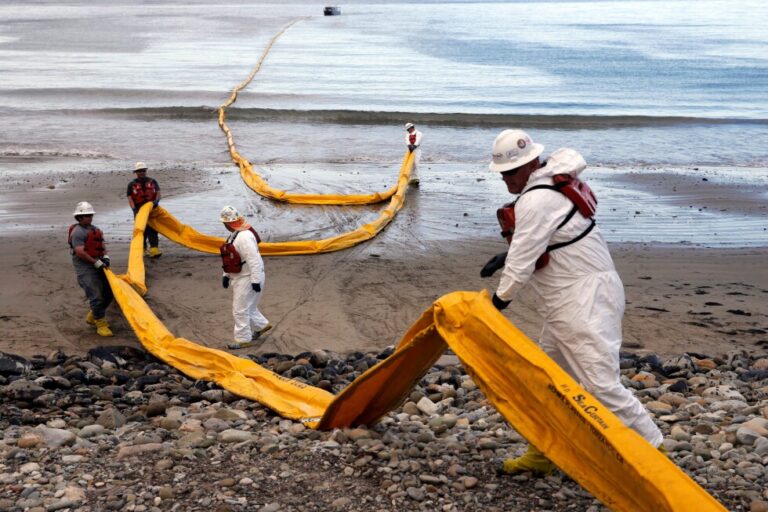
California Sues U.S. Over Offshore Oil Pipeline Restart Approval
California sued the federal government over plans to restart oil pipelines, escalating a fight over offshore drilling.

California sued the federal government over plans to restart oil pipelines, escalating a fight over offshore drilling.
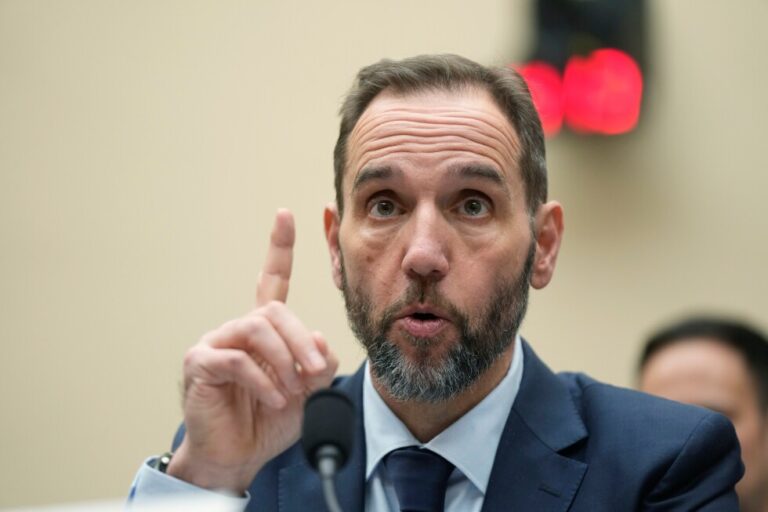
Jack Smith’s report on Trump’s classified documents is deemed unlawful and sealed by the Justice Department.
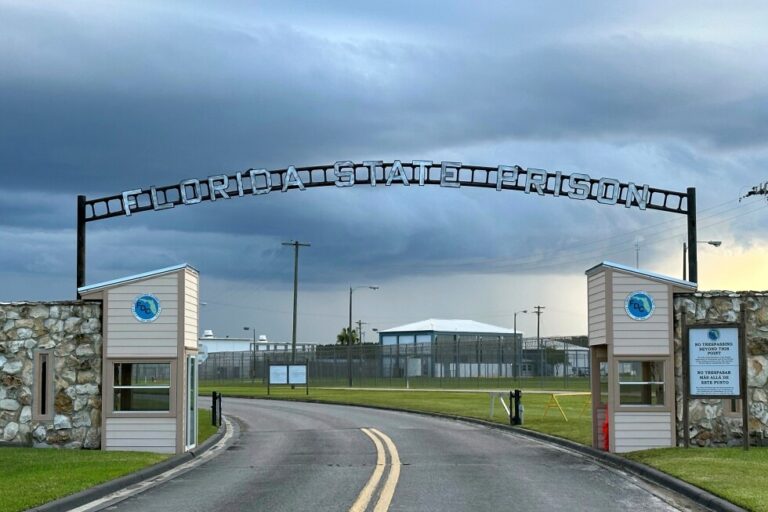
Melvin Trotter, convicted of killing a grocery store owner, is set for execution in Florida, marking the second of 2026.

WASHINGTON (AP) — The annual March for Life demonstration was held in Washington, where Vice President JD Vance touted…
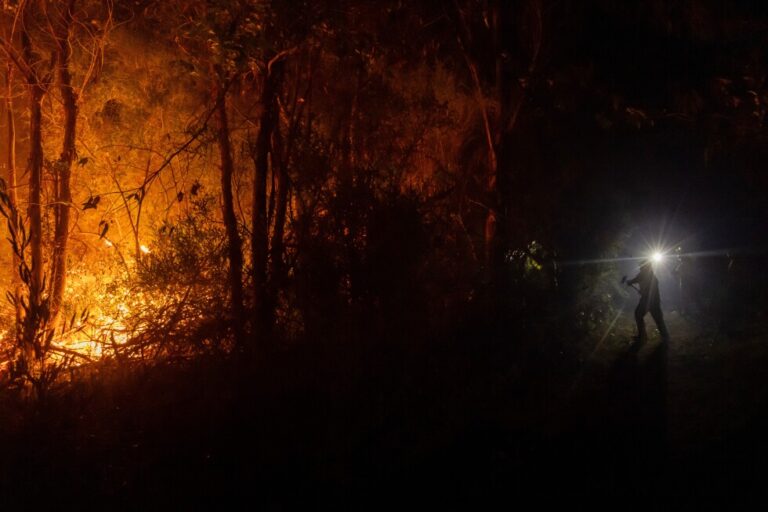
A Chilean court ordered the detention of a man linked to wildfires that have devastated central and southern Chile, killing 21.

Hannah Hidalgo, a star guard at Notre Dame, excels in defense, leading the nation with 5.5 steals per game.

A federal judge questioned if Trump could use an 18th-century law to counter a “British invasion” corrupting minds.
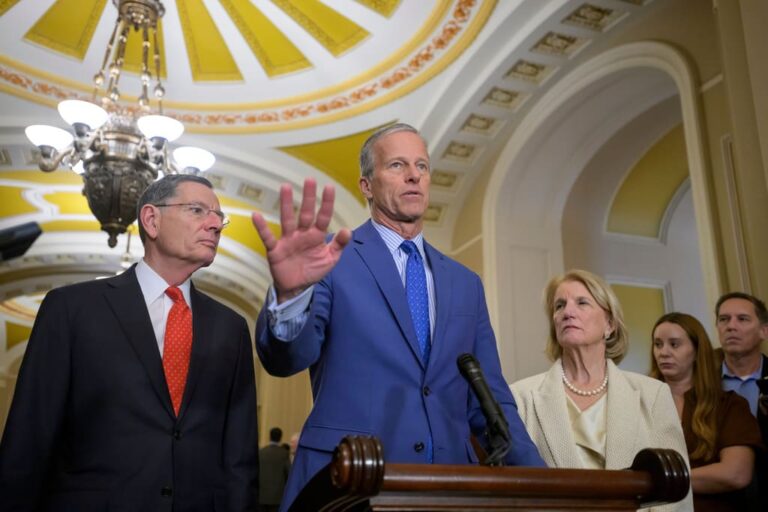
Democratic legislators in the Senate are urging an extension of Obamacare tax credits, set to expire soon. This move aims to maintain affordability in healthcare, impacting millions and highlighting the ongoing healthcare debate.
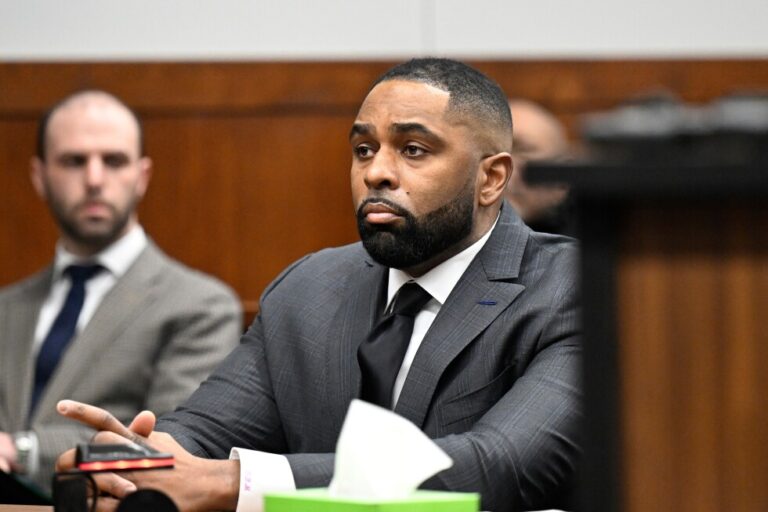
A lawyer for fired University of Michigan coach Sherrone Moore seeks to dismiss charges, declaring his innocence.

A Philippine court found journalist Frenchie Mae Cumpio guilty of financing terrorism, sparking global criticism.

The former superintendent of Iowa’s largest school district pleaded guilty to falsely claiming U.S. citizenship.
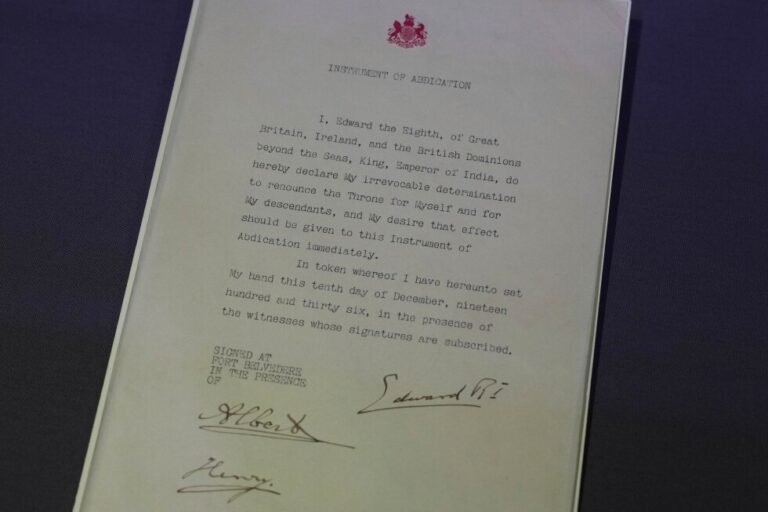
Explore “Love Letters” at Britain’s National Archives, showcasing legendary romances and heartfelt letters over centuries.