December 5, 2025 2:16 pm

Democracy

U.S. AI-Driven “Catch and Revoke” Initiative Threatens First Amendment Rights

Trump’s Social Media Surveillance Targets Foreign Protestors’ Rights

The U.S. State Department’s AI-driven “Catch and Revoke” initiative, launched under President Trump’s administration, aims to identify and revoke visas of foreign nationals who support Hamas or other designated terror groups by monitoring social media. This measure, part of a broader anti-terrorism strategy, raises significant First Amendment concerns, potentially deterring free speech and targeting lawful expressions of dissent. As social media surveillance expands, the initiative threatens constitutional rights, impacting the democratic fabric and free expression in the U.S.

How DHS Laid the Groundwork for More Intelligence Abuse

DHS Intelligence Unit Faces Continued Scrutiny and Calls for Reform

The DHS Office of Intelligence and Analysis (I&A) underwent a “360 review” to reform its intelligence practices plagued by abuse, yet new policies may still permit violations. Despite a new manual, lax standards and broad mandates risk ongoing misuse, targeting First Amendment-protected activities. Congress and local officials must act to curb potential overreach.

The State of Our Union Is Precarious

Presidential Addresses and the Evolving Dynamics of American Democracy

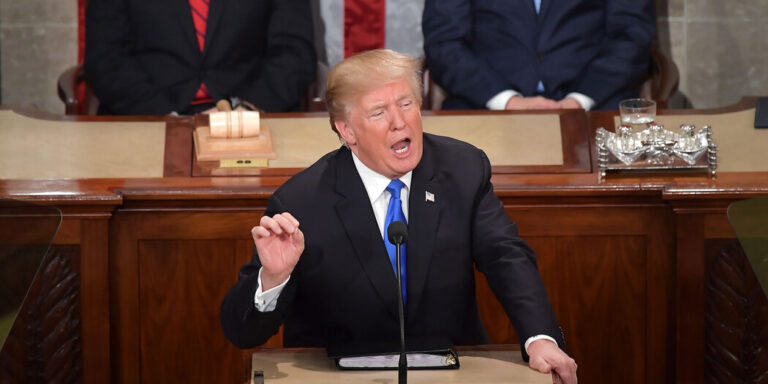
In a rare presidential address, the leader aligns with dictators, shaking the foundation of democratic ideals. This pivotal moment questions the balance of power among U.S. branches, as Congress and the Supreme Court face tests of authority and lawfulness. The implications could redefine the nation’s democratic experiment.

Judge Shopping, Explained | Brennan Center for Justice

Judge Shopping: Impact on Federal Judiciary and Efforts for Reform

In January, a Texas judge allowed a case challenging the FDA’s approval of a medication abortion to proceed, though the facts had no link to Texas. This highlights judge shopping, where litigants choose judges aligning with their ideological aims, often affecting national policies. The practice distorts justice and calls for reforms to ensure random judge assignment, preserving court impartiality and public trust.

What Courts Can Do If the Trump Administration Defies Court Orders

Federal Courts’ Enforcement Tools Amid Trump Administration Defiance

Federal courts face defiance from the Trump administration on rulings like spending and birthright citizenship. If ignored, courts may enforce orders using contempt proceedings, sanctions, or stricter directives, underscoring the judiciary’s role in upholding legal compliance.

Private Prison Company Seeks New Hearing on Wages for Immigrants in Detention

Federal Court Case May Require ICE Contractors to Pay Detainees Minimum Wage

The GEO Group seeks a new hearing in a federal appeals court to override a verdict that mandates paying state minimum wage to detainees working in ICE facilities. This legal battle could reshape the financial landscape for federal contractors managing immigrant detention centers across the U.S., potentially raising operational costs and impacting federal budgets.

Restricting the Freedom to Vote

SAVE Act Threatens Voting Rights, Restricts Millions of Americans

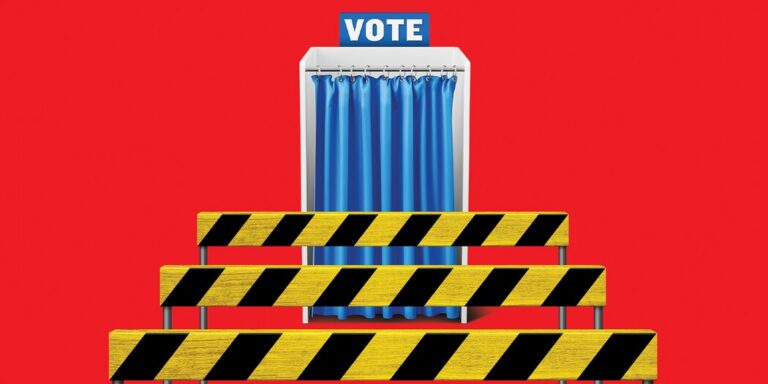
Amidst political drama, Congress plans to vote on the SAVE Act, threatening voter registration for millions by requiring citizenship documents. This could marginalize young voters, people of color, and women, marking unprecedented federal intervention to limit voting rights.

Trump’s Opening Gambits | Brennan Center for Justice

Trump’s Controversial Executive Orders Challenge Constitution and Courts

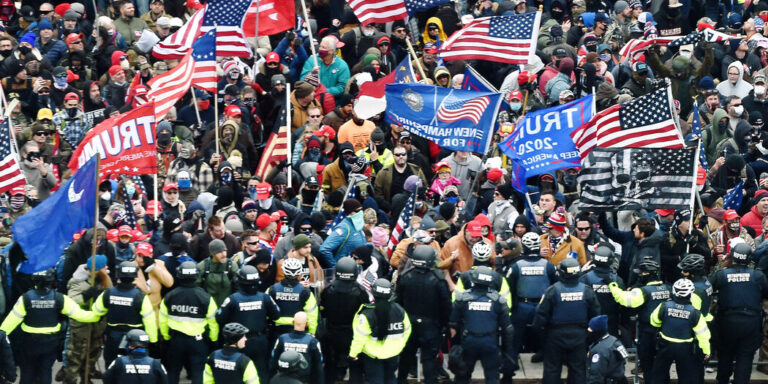
Donald Trump’s initial presidential actions include controversial executive orders and pardons. These moves, such as pardoning January 6 insurrectionists and attempting to end birthright citizenship, challenge constitutional norms, prompting potential legal battles and public dissent, raising questions about democratic principles and governance.

Subscribe