
Challenges to Trump’s Executive Order on Birthright Citizenship
On his first day, President Trump issued an executive order to end the 14th Amendment’s birthright citizenship. Legal challenges argue it’s unconstitutional, impacting many.

On his first day, President Trump issued an executive order to end the 14th Amendment’s birthright citizenship. Legal challenges argue it’s unconstitutional, impacting many.
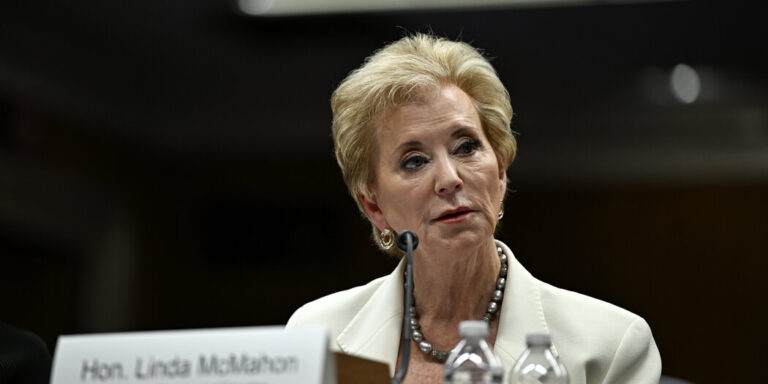
The Supreme Court silently enabled Trump to dismantle the Department of Education via mass staff firings, bypassing Congress, sparking debate on unchecked presidential power.

On July 1, Congress allocated $45 billion for new immigration detention centers, raising concerns about family treatment under deportation proceedings and challenging the Flores settlement’s protections. The move, a shift from previous policies, signals a significant increase in family detentions with potential human rights implications.
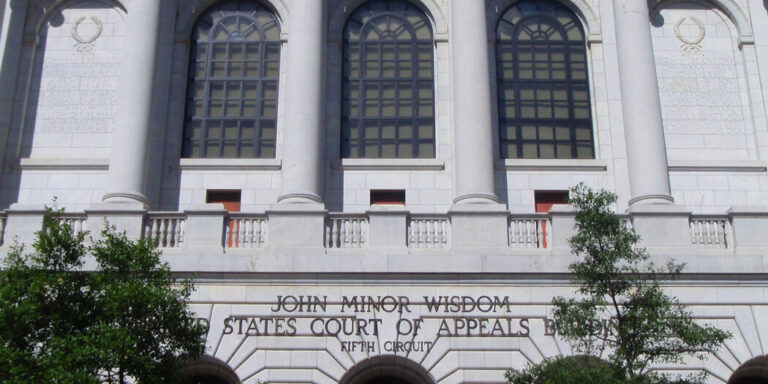
The Fifth Circuit recently examined W.M.M. v. Trump, challenging Trump’s use of the Alien Enemies Act against alleged Venezuelan gang members. This case tests if courts can scrutinize presidential military judgments, exploring the balance between national security and civil liberties, with historical parallels to WWII internments.

In the 2024 election, political advertisers spent $1.9 billion on Meta, Google, Snap, and X. Despite voluntary disclosures, data gaps persist, underscoring transparency needs.

The Senate, on July 1, moved against a 10-year freeze on state AI regulations with a 99–1 vote. This provision, part of a broader budget bill, posed risks to state autonomy in AI governance without presenting a federal alternative. The ban could invalidate over 149 state laws, potentially leaving AI unchecked. Critics, including advocacy groups and state officials, warned against this plan, emphasizing the need for state-led innovation and protection against AI-driven misinformation in elections. The decision highlights a pivotal moment in balancing AI innovation with regulation.

In a controversial move, President Trump ordered a military strike on Iran without congressional authorization, testing limits on presidential power. Congress’s muted response raises concerns about the erosion of legislative oversight, as lawmakers introduced a resolution to reassert their authority over military actions, highlighting the tension between executive ambition and constitutional checks and balances.
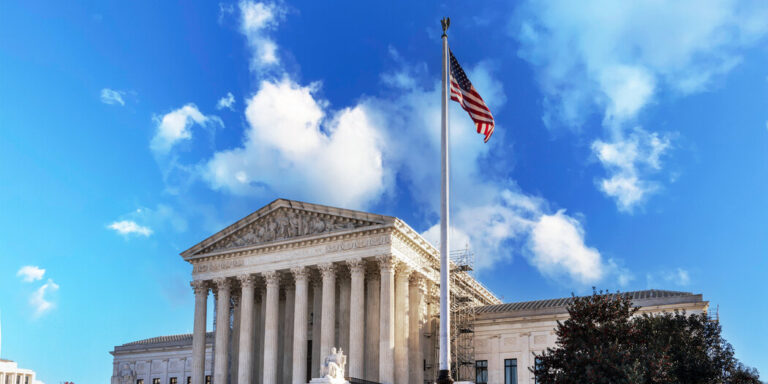
As June approaches, speculation about Supreme Court retirements intensifies. Justices’ strategic retirements can shape the Court’s future and legal landscape, driven by political motives. Proposals for term limits could curb this, ensuring impartial justice and restoring public trust in the Court’s integrity.
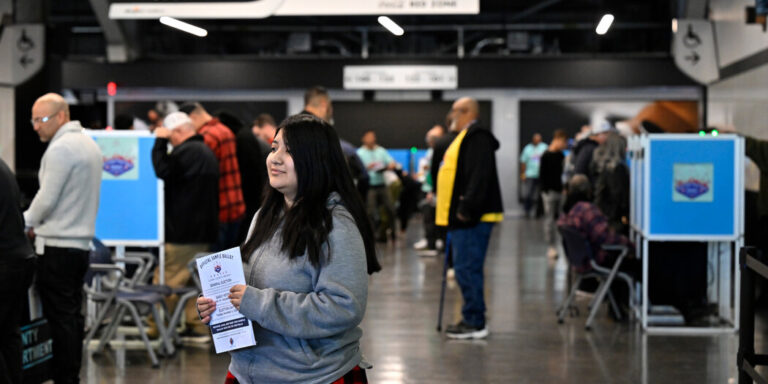
Nevada Gov. Joe Lombardo vetoed NV A.B. 105, blocking a ban on guns near election sites, despite 70% voter support. This decision leaves Nevadans exposed to potential intimidation at polling places, contrasting with states like Florida and Texas, which have enacted similar protections.
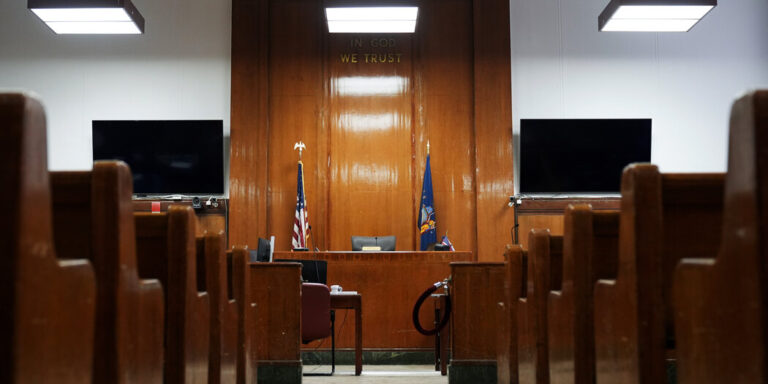
The Trump administration’s consideration of suspending habeas corpus, a crucial legal tool for contesting detentions, highlights ongoing tension between executive actions and constitutional rights, underscoring the writ’s historical significance as a safeguard against arbitrary government power since its inception in 1215’s Magna Carta.

The recent North Carolina Supreme Court ruling against post-election subversion underscores a major legal stance against altering election outcomes post-factum, influencing 2026 tactics.
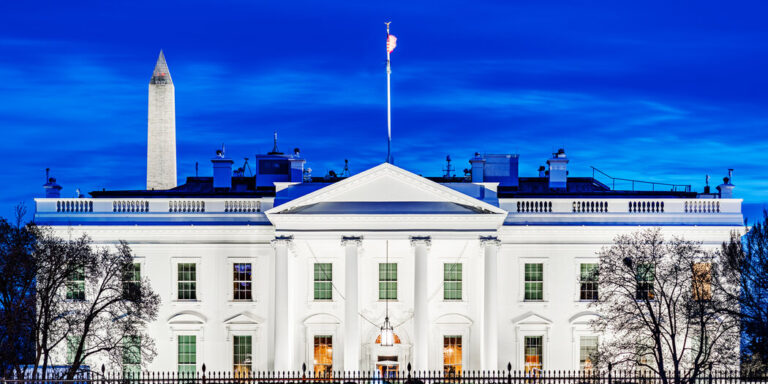
The Supreme Court faces a critical test as it considers cases challenging Trump’s tariffs and executive overreach. Lower courts have upheld checks on presidential power, but as these cases reach more ideologically driven justices, the future of checks and balances hangs in the balance, potentially redefining constitutional norms and presidential authority.