
Justice Department Urged to Avoid Ineffective Past Crime Policies
The Justice Department should not revert to outdated “tough on crime” policies that have proven to be ineffective.

The Justice Department should not revert to outdated “tough on crime” policies that have proven to be ineffective.
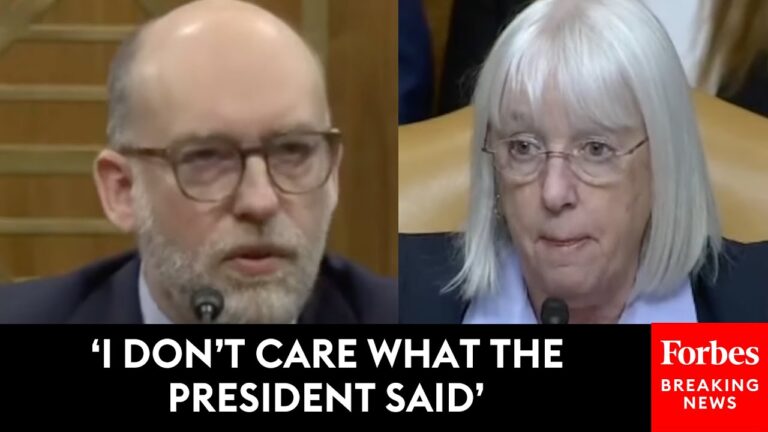
In a Senate hearing, concerns arise over the nominee’s views on Ukraine aid and abortion, questioning adherence to laws.
The Impoundment Control Act ensures that federal spending aligns with Congress’ decisions, maintaining a balance of powers.
The policy proposals would drastically reshape criminal justice policy, aiming for significant reform and improvements.

In a nationally watched case, Judge Jefferson Griffin seeks to overturn a NC Supreme Court election, threatening democratic norms by challenging 60,000 votes.

The U.S. Senate confirmed Scott Bessent as treasury secretary, with challenges in tax cuts, tariffs, and the IRS ahead.

Political polarization in America is a hot topic, yet research suggests strategies like intergroup contact can reduce divides.

A viral video shows Elon Musk making a gesture misinterpreted as a Nazi salute, sparking debate on context and reactions.

Copland Rudolph’s vote may not count in a North Carolina Supreme Court race as candidate Griffin challenges ballots.

House Republicans propose cutting Medicaid to fund tax breaks for billionaires, risking health coverage for millions. Key discussions include a $2-3.5 trillion spending cut, per capita caps, and work requirements, potentially impacting 70 million Americans.

Trump allies, including J.D. Vance, oppose pardoning violent J6 offenders. If violence occurred, no pardon should be given.

President Trump signed numerous executive orders, many aligned with Project 2025, affecting climate and immigration policies.