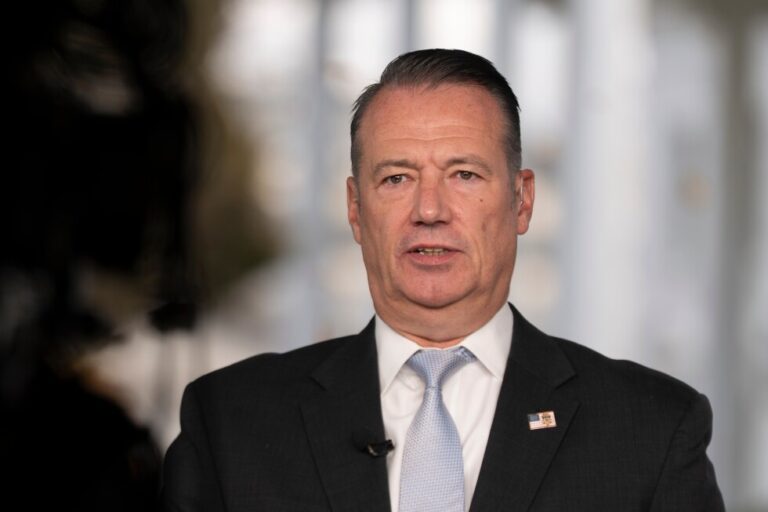
Judge Orders ICE Chief to Court Over Noncompliance in Detention Cases
Chief Judge Schiltz orders ICE head to court for contempt after Trump admin’s non-compliance with immigrant hearings.

Chief Judge Schiltz orders ICE head to court for contempt after Trump admin’s non-compliance with immigrant hearings.
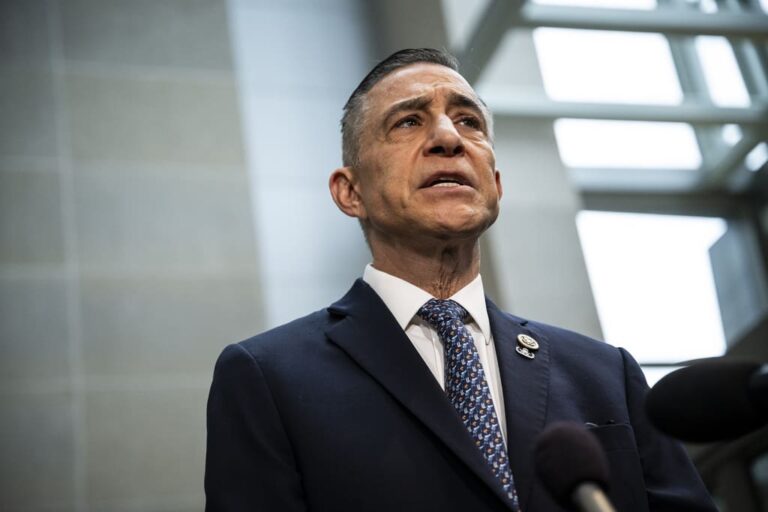
In March 2017, 300 protestors gathered outside Rep. Darrell Issa’s office, opposing his vote to repeal Obamacare. Despite leaving Congress, Issa returned, continuing efforts to dismantle the ACA. Recently, he voted against reinstating tax credits aiding 22 million Americans, including 8,000 of his constituents, pushing for an alternate plan to phase out Obamacare.

News of U.S. ICE involvement in the upcoming Winter Games sparked concern in Italy over its controversial role.

TikTok settled a social media addiction lawsuit ahead of trial, with Meta and YouTube still facing claims in court.

Former Canadian Olympic snowboarder pleads not guilty to billion-dollar drug trafficking and orchestrating killings.

Republicans appeal a judge’s decision to discard NYC’s GOP House seat lines amid a national redistricting battle.

The Alexander Brothers face a sex-trafficking trial after being accused of drugging and assaulting dozens of women.

President Trump raises tariffs on South Korean goods due to delayed trade framework approval, affecting multiple sectors.

France is grappling with drug-facilitated sexual assault as ex-senator Joel Guerriau stands trial for spiking a drink.

Six people died when a business jet crashed during takeoff in Maine amid a snowstorm, affecting visibility and safety.

A Japanese court held North Korea accountable for human rights abuses, awarding damages to four plaintiffs lured there.

Israel returns the last hostage’s remains from Gaza, marking an end to a difficult chapter and beginning a complex ceasefire phase.