An Austrian court has rendered a decision in a case involving a tragic climbing expedition, convicting a man of manslaughter by gross negligence after his girlfriend perished in the cold during their ascent of Austria’s highest mountain last year.
The Innsbruck state court sentenced the 37-year-old man to a five-month suspended sentence and imposed a fine of 9,600 euros ($11,300). The court maintained the man’s anonymity in accordance with local privacy regulations, as reported by the Austria Press Agency.
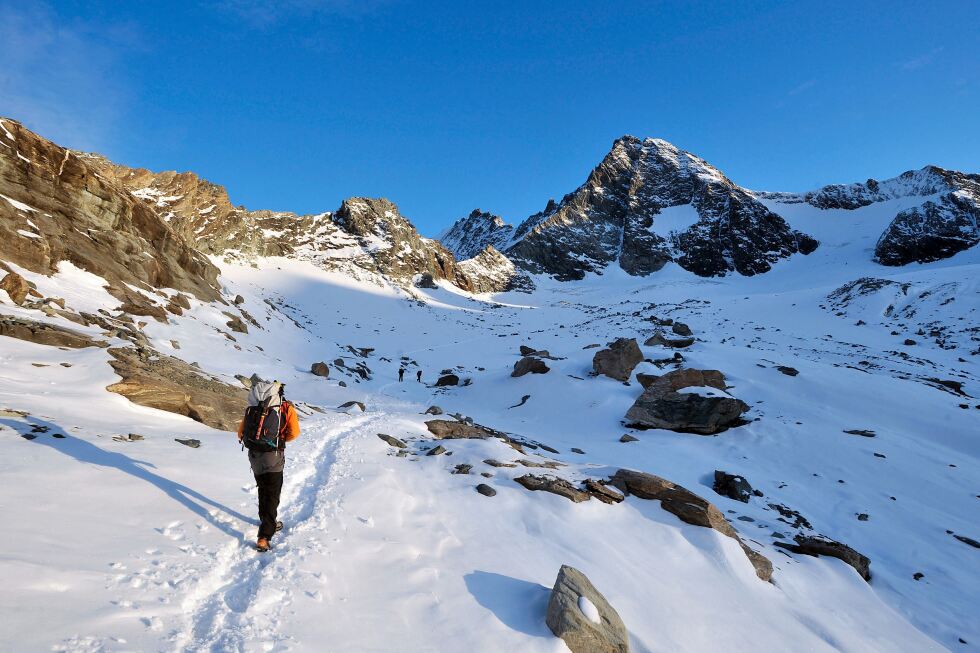
The incident occurred in January 2025 when the man and his 33-year-old girlfriend embarked on a climb of the Grossglockner, located in western Austria. According to the prosecution, the woman succumbed to the elements approximately 50 meters (164 feet) shy of the 3,798-meter (12,460-foot) summit after her companion left her behind. The defendant contested the charges, maintaining his innocence.
Presiding Judge Norbert Hofer remarked on the defendant’s misjudgment of the mountain conditions, yet emphasized there was no intentional abandonment. He noted that the woman’s mountaineering skills were significantly less developed compared to the man’s, describing the gap as “galaxies” apart. The sentencing was significantly less than the maximum possible term of three years imprisonment.
“I don’t see you as a murderer, I don’t see you as a cold-hearted man,” Judge Hofer stated, referencing social media discussions surrounding the case. “I see you as the one who ultimately tried to call help and stand by his girlfriend.”
Despite these considerations, the judge criticized the defendant’s lapse in “leadership responsibility,” suggesting that the woman might have survived had “appropriate measures been taken,” such as initiating an emergency call sooner or opting to retreat.
The defendant expressed profound remorse, as reported by APA, asserting that all decisions, including the Grossglockner climb, were made jointly with his girlfriend. He argued that his own lack of formal Alpine training left him with knowledge only marginally superior to hers. He recounted that she appeared healthy when an aerial police unit observed them earlier in the climb, and he could not account for her sudden decline. He stated that he descended the mountain to seek assistance after conferring with her.
The verdict remains subject to appeal.