Alina Habba Steps Down Amid Legal Challenges
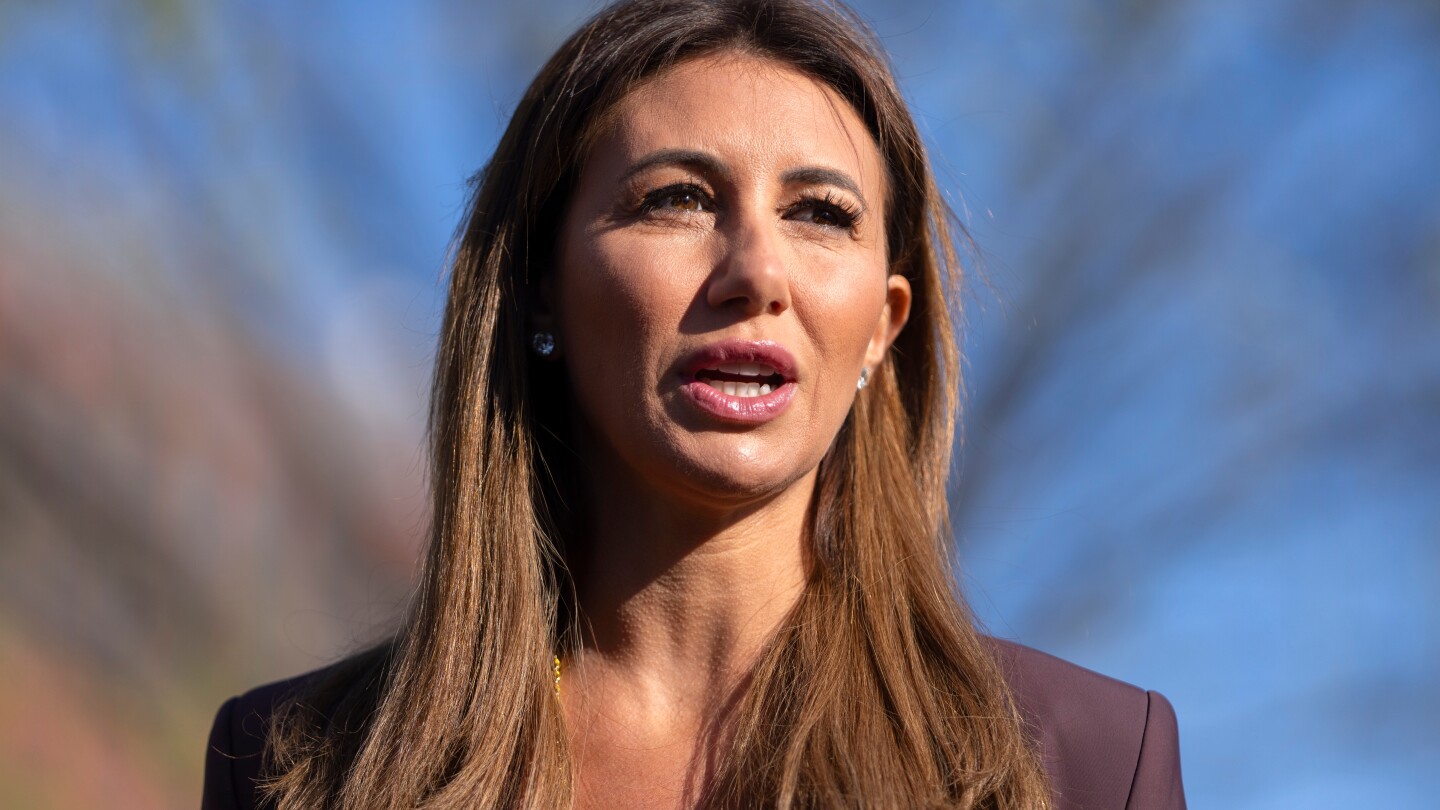
Alina Habba, former personal attorney to President Donald Trump, announced her resignation as the acting U.S. Attorney for New Jersey, following a court ruling that declared her appointment unlawful. The decision has sparked discussions regarding the legality of several Trump-era appointments.
Habba criticized the court’s decision as politically motivated but indicated her resignation was necessary to uphold the “stability and integrity” of the office. Despite stepping down, she expressed determination to continue challenging the ruling, stating, “This decision will not weaken the Justice Department and it will not weaken me.”
Temporary Assignment and Political Backdrop
Appointed in March, Habba’s role as acting U.S. Attorney was temporary, yet her tenure became controversial due to her lack of prosecutorial experience and partisan associations. Her confirmation faced opposition from New Jersey’s Democratic senators, preventing her from securing a permanent position.
During her time in office, Habba pursued legal actions against prominent Democrats, including a trespassing charge against Newark’s mayor, which was later dropped, and an assault charge against U.S. Rep. LaMonica McIver, which is still pending.
Reactions and Legal Implications
President Trump criticized the Senate’s approach to blocking nominees opposed by state senators, describing the situation as detrimental to appointing qualified individuals. “It’s a very sad situation. We’re losing a lot of great people,” Trump remarked.
Following the expiration of Habba’s term in July, her subordinate was appointed by a panel of federal judges, only to be dismissed by Attorney General Pam Bondi, who attributed the dismissal to “politically minded judges.”
The recent appeals court decision from Philadelphia emphasized the need for “clarity and stability” in the U.S. Attorney’s Office, reinforcing the ongoing legal debate over the legitimacy of temporary appointments.
Broader Context of Disputed Appointments
Habba’s case is part of a broader pattern where several acting U.S. attorneys appointed during the Trump administration have faced challenges. Similar disputes have occurred in jurisdictions including eastern Virginia, Nevada, Los Angeles, and northern New York.
Bondi has expressed plans to reinstate Habba should their appeals succeed. “These judges should not be able to countermand the President’s choice of attorneys,” Bondi asserted, highlighting the administration’s commitment to contesting these judicial decisions.