Abortion Debate Intensifies in North Carolina Amid Upcoming Election
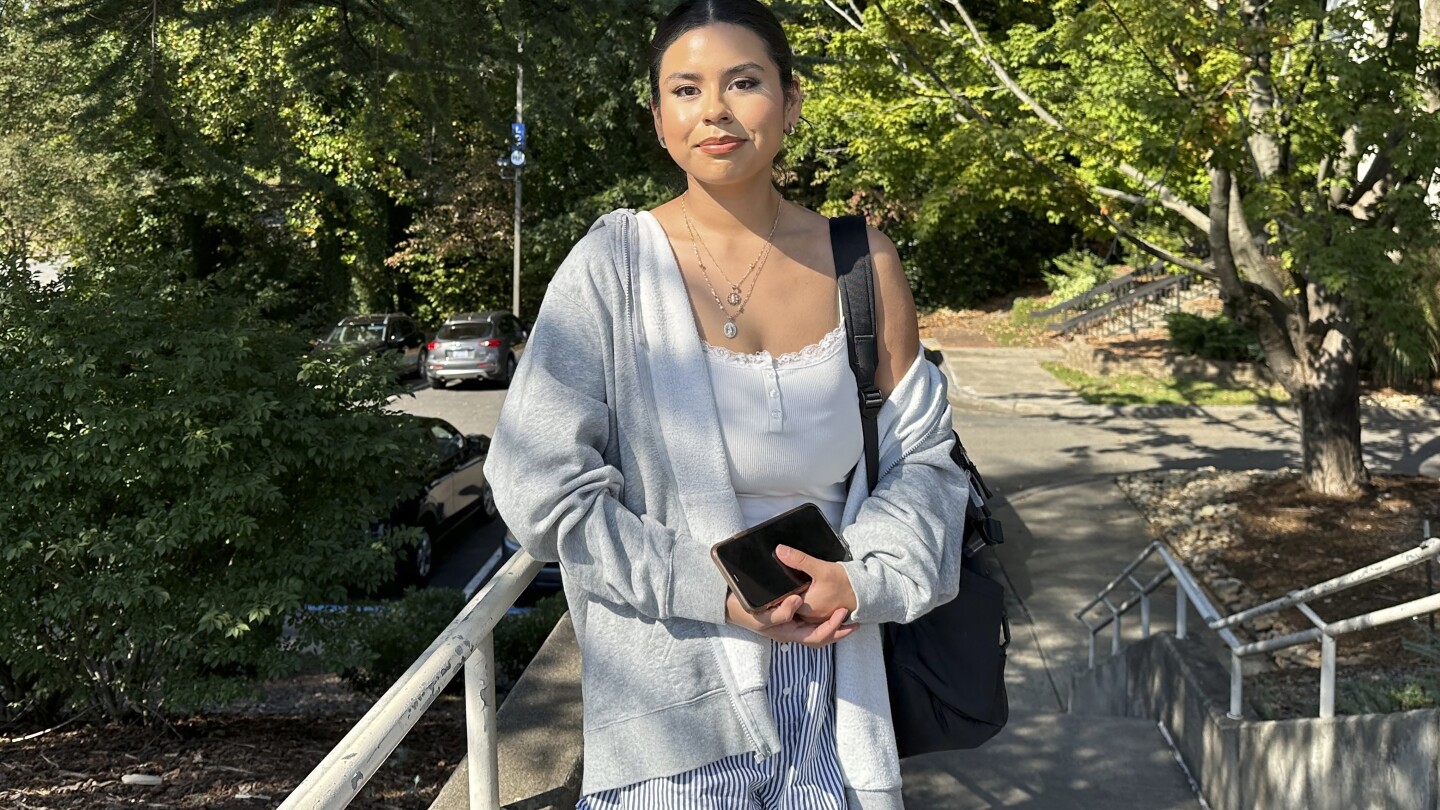
WINSTON-SALEM, N.C. (AP) — The impact of recent TikTok videos deeply resonates with 26-year-old Christy Kishbaugh, particularly the story of an Idaho woman unable to receive emergency care due to the state’s abortion ban.
These stories fuel Kishbaugh’s concerns about the potential implications of North Carolina’s new abortion regulations. “Thinking ahead, if anything were to go wrong,” she expressed with apprehension, “the idea that myself, my friends, people close to me, that they could potentially die or never have kids or lose a child because they’re not getting access to the health care they need, that really dwells with me.”
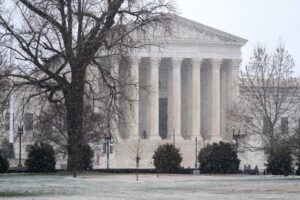
The Supreme Court’s decision to overturn Roe v. Wade has heightened tensions around abortion rights, framing it as a pivotal issue in the upcoming presidential election. Data from AP VoteCast shows that while Republicans have historically garnered significant support from white women in states like Georgia, Florida, and Texas, North Carolina’s new 12-week abortion ban could alter this dynamic.
Trump’s previous success in North Carolina may be challenged if his support among white women aligns closer to the national average of 52% rather than the 60% he achieved in 2020. This shift could potentially favor Vice President Kamala Harris in a tightly contested election.
Political Strategies and Voter Priorities
While abortion was a major issue for a small percentage of voters in 2020, its significance has grown, with 10% of North Carolina voters prioritizing it in 2022, as per AP VoteCast data. The Harris campaign has capitalized on this shift, emphasizing the consequences of current abortion laws.
Democratic campaign adviser Morgan Jackson noted that targeting women under 35 is central to their strategy, illustrating the perceived extremism of Republican positions on abortion. “Republicans have set off their hand grenade in their own hands,” Jackson commented.
Despite North Carolina’s less restrictive stance compared to other southern states, Republicans like state senator Vickie Sawyer argue that economic concerns, such as housing costs, might outweigh abortion issues for many voters.
The Republican gubernatorial candidate, Mark Robinson, has taken a firm stance against abortion, which Democrats highlight to underscore potential threats to reproductive rights. This narrative is reinforced through campaign advertisements featuring real-life stories of medical emergencies in states with stringent abortion laws.
Campaign Efforts and Voter Mobilization
The Harris campaign is actively engaging with suburban white and Latino women, aiming to replicate the voter turnout that secured Barack Obama’s 2008 win in North Carolina. Visits by Harris and Trump to the state underscore its significance in the election, with Harris emphasizing the potential rollback of abortion rights under a Trump presidency.
Efforts to mobilize voters are evident, with Harris’s campaign establishing 29 field offices and prioritizing outreach to Black and younger voters. In contrast, Trump’s campaign focuses on economic issues, questioning the current administration’s handling of inflation and disaster response.
Abortion remains a contentious issue, influencing first-time voters like 21-year-old Jenny Gonzalez, who supports Harris due to her stance on reproductive rights. Conversely, some voters, such as 20-year-old Leyla Herrera, find themselves conflicted, balancing economic concerns with personal beliefs on abortion.
As the election approaches, both parties are navigating a complex landscape of voter priorities, with abortion rights at the forefront of the debate. The outcome in North Carolina could hinge on how effectively each campaign addresses the diverse concerns of its electorate.