Americans Abroad and Their Right to Vote
Approximately 3 million U.S. citizens living overseas, including military personnel and nonprofit workers, are entitled to vote. This group adheres to eligibility requirements that align with those of stateside citizens. Every state maintains a system to verify that only qualified U.S. citizens are eligible to vote from abroad.
The Role of UOCAVA in Facilitating Overseas Voting
The Uniformed and Overseas Citizens Absentee Voting Act (UOCAVA) was established during the Reagan era to simplify the voting process for Americans abroad. It mandates that states enable military members and other citizens to vote via absentee ballots in federal elections from their last U.S. residence. This practice continues the tradition of absentee voting from the Civil War era, with Congress consistently working to preserve voting rights for citizens overseas.
While the federal framework is standardized, each state implements UOCAVA independently due to their control over election administration. Consequently, states can enact additional voting rules tailored to their citizens’ needs, while safeguarding the process from ineligible participation.
Security Measures and Misconceptions About Overseas Voting
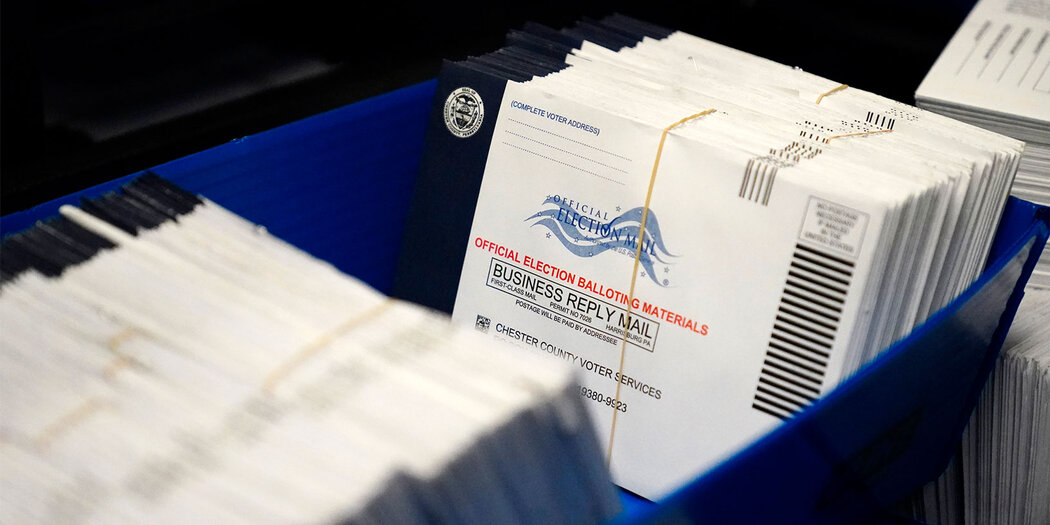
Federal legislation requires that ballots be dispatched to eligible voters a minimum of 45 days before a federal election, which means ballots for the 2024 election were distributed in September. Despite this, unfounded allegations regarding voter fraud have targeted both the law and overseas voters, trying to cast doubt on election security.
No Evidence of Fraud in Overseas Voting
Similar to other baseless conspiracy theories about election integrity, claims of overseas voting fraud lack evidence. Recent lawsuits filed by Republicans in states like Michigan, North Carolina, and Pennsylvania threaten to disenfranchise overseas voters without presenting any concrete proof of fraud. These lawsuits rely on general accusations rather than specific instances of misconduct.
The Timing of Fraud Allegations
Currently, no incident has triggered these debates over overseas voting laws, which have enabled millions of Americans to vote since their inception. These claims seem to be part of a broader agenda by election skeptics, often linked to the Republican Party, to undermine the legitimacy of elections. They also echo debunked myths about noncitizens casting votes en masse, a falsehood consistently disproven.
Eligibility Verification for Overseas Ballots
Contrary to former President Trump’s false claims, the law requires citizenship verification for overseas voters. States have measures in place to confirm that only eligible citizens can request and submit absentee ballots from abroad.
Typically, overseas voters must complete a specialized form providing details such as their social security number, state driver’s license, or ID number. They must also affirm, under penalty of perjury, their U.S. citizenship and eligibility to vote from a single jurisdiction.
Ballot Requests and State Regulations
Another misconception is that overseas citizens can request ballots from any state, choosing based on political preferences. In reality, overseas voters are generally tied to the last state where they were residents. For those born abroad, this typically means the state where their parents or guardians last lived.
Given the challenges of distance, overseas voters under UOCAVA face unique hurdles not encountered by domestic voters. Ensuring that military members and citizens abroad can vote should remain a priority.