
Promises of lower food costs are particularly significant to consumers who feel the impact most on their grocery expenditure, while cattle producers must navigate long-term planning. The debate over beef imports requires public officials to consider both dynamics, with accessible evidence for public examination.
NPR’s October 22 report highlights concerns from Iowa cattle producers regarding the Trump administration’s beef-import policy. Though political opinions differ among those interviewed, the pressures on farming are evident. This policy issue should not imply that all ranchers share a uniform political stance.
This serves as a basis for public evaluation. The administration can clarify its objectives, producers can discuss their decisions, and consumers can observe price changes. Effective reporting distinguishes between promises, initial observations, and long-term results.
Analyzing the Policy
The August 26 beef proclamation permits an extra 300,000 metric tons of lean beef trimmings to benefit from a lower in-quota tariff rate, in three periods from September to November. However, this should not imply that this entire quantity has already impacted the market.
Officials are tasked with monitoring if imported trimmings are sold at 25% below market prices—a condition relating to supply chain entry, not a promise of a 25% retail price reduction for ground beef. Understanding the policy requires distinguishing these measures.
Data from BLS price observations via FRED indicate September’s national urban average for ground beef was $6.792 per pound, a decrease from $6.923 in August. This 13-cent difference doesn’t clarify how much results from the new import allowance.
The limitations of this data don’t render it useless; they clarify its scope. An average price reflects a level, not every factor influencing it. This distinction is crucial when officials attribute success or critics assign blame.
USDA’s livestock trade data complements this by providing monthly and annual import and export figures, allowing readers to track trade flows independently of quotas.
Long-term Domestic Supply Concerns
The USDA’s cattle cycle description links herd size changes to prices, costs, climate, and animal raising times. Producers may retain heifers if they foresee expansion opportunities, affecting future, not immediate, meat availability.
The Farm Bureau’s beef-market analysis identifies drought and high operating costs as supply constraints, and explains the use of imported and domestic trimmings in ground beef—a relationship more nuanced than mere slogans about foreign and domestic beef.
Immediate needs for affordable meals and longer-term breeding decisions present a timing issue. The public should consider how temporary measures align with plans for sustainable supply.
The USDA’s October market outlook projects a slow slaughter rate through 2027, with adjusted production and import forecasts for 2026 and 2027, reflecting expectations subject to change.
The supporting October livestock outlook publication offers context for these projections, allowing tracking of subsequent reports to verify how supply develops against expectations.
Ensuring Accountability
Officials defending the policy should clarify expected results, timelines, and measurement methods, distinguishing whether claims of cheaper food refer to imports, wholesale transactions, or retail prices. Similarly, herd rebuilding claims must include a timeline.
Criticism should meet the same standards. A tough month for producers or slight grocery store price drops cannot conclusively answer broader questions about national food prices or future farm production. Evidence must align with the claims it supports.
This debate tests public trust, as families and farms seek clear answers about decisions impacting their plans. Keeping their concerns aligned, acknowledging uncertainties, and tracking outcomes over time provides a stronger basis for evaluating leadership.
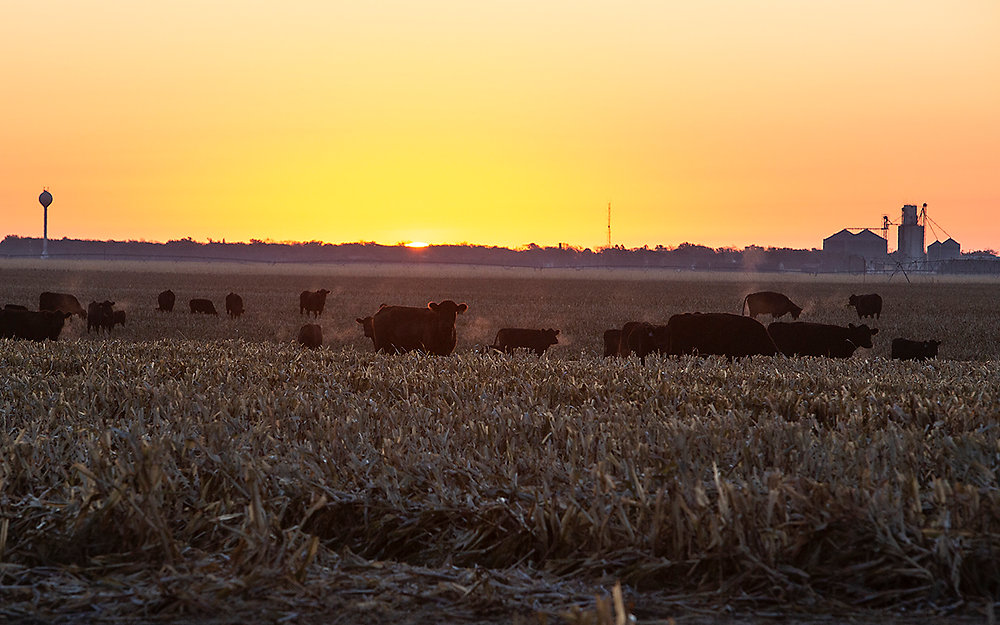
Archive cattle photograph near Clay Center, Nebraska: Steve Ausmus, USDA/ARS. Public-domain image source. The photograph is illustrative and does not depict the Iowa interviews.