Disputed Health Care Claims Surface in North Carolina Senate Race
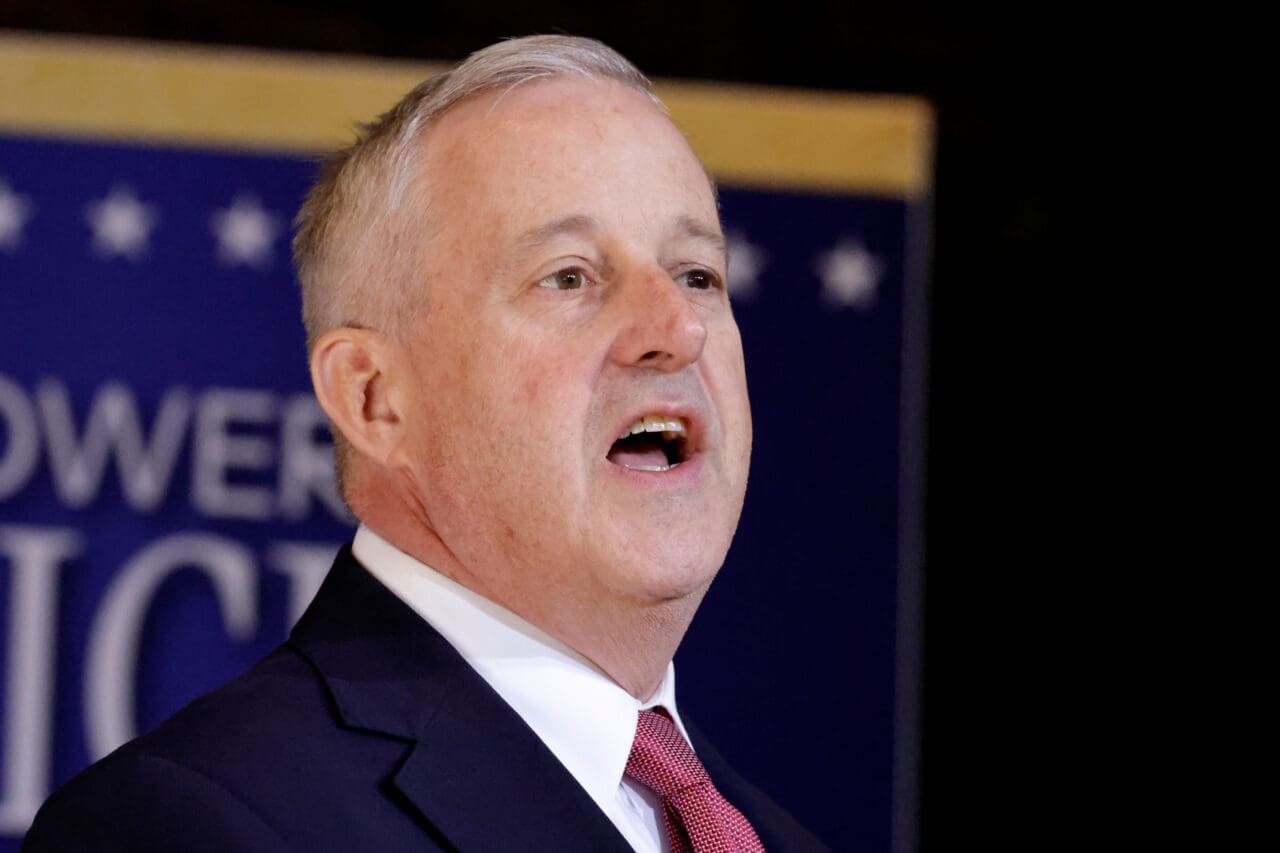
In the race for North Carolina’s open U.S. Senate seat, Republican Michael Whatley has made claims about health care costs that have sparked controversy. Whatley and his opponent, Roy Cooper, are battling in an election that could influence the balance of power in the Senate.
Claims of Rising Premiums
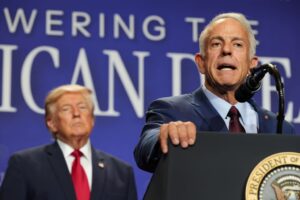
Michael Whatley asserted on August 30 in an interview with Breitbart News that health insurance premiums in North Carolina rose by 183% during Roy Cooper’s tenure as governor. He repeated this statement at the Republican midterm convention in Dallas, Texas, claiming, “Under Roy Cooper’s reign, North Carolina became the most expensive state in the nation for health care costs.”
Examining the Evidence
Whatley’s claims appear to stem from a 2021 analysis by the Heritage Foundation. However, this study indicates the 183% increase in premiums occurred between 2013 and 2019, largely during the administration of Republican Gov. Pat McCrory. Roy Cooper assumed office in 2017.
Data from the Centers for Medicare & Medicaid Services (CMS) contradicts Whatley’s assertions, showing that average premiums in North Carolina actually decreased by 12% during Cooper’s governorship—marking the third-largest decrease nationally from 2017 to 2024.
Contested Claims of High Costs
The assertion that North Carolina became the most expensive state for health care costs also faces scrutiny. A study published by Forbes in January 2025 claimed North Carolina had the highest health care costs in 2024. Yet, Ascendient Healthcare, a consulting firm based in North Carolina, challenged these findings, stating the study relied heavily on premiums and deductibles from employer-sponsored health insurance, which less than half of North Carolinians possess.
Further skepticism was voiced by Republican state treasurer Brad Briner, who questioned the study’s methodology in an interview with the Carolina Public Press. Following these criticisms, Forbes removed the study from its website.
Voter Concerns
Health care costs remain a significant issue for voters in North Carolina. An April KFF tracking poll revealed that health care costs are the leading affordability concern for most voters, with nearly nine in 10 respondents indicating the issue will influence their voting decisions in the upcoming election.
—
Read More Kitchen Table News