
Judge Temporarily Blocks Trump’s Order on Mail Voting
A U.S. District Court decision has temporarily halted the execution of an executive order from President Donald Trump aimed at limiting mail voting, a move that comes just as states prepare to send out mail ballots for the upcoming midterm elections. Judge Indira Talwani’s ruling pauses the order for two weeks, adding another chapter to the ongoing legal battle surrounding the order.
This legal conflict may soon head back to the Supreme Court, which recently allowed the administration to proceed with the order despite not addressing its legality. The order’s implementation was paused following a refiling of lawsuits by Democrats and voting rights organizations to align with the Supreme Court’s procedural guidance.
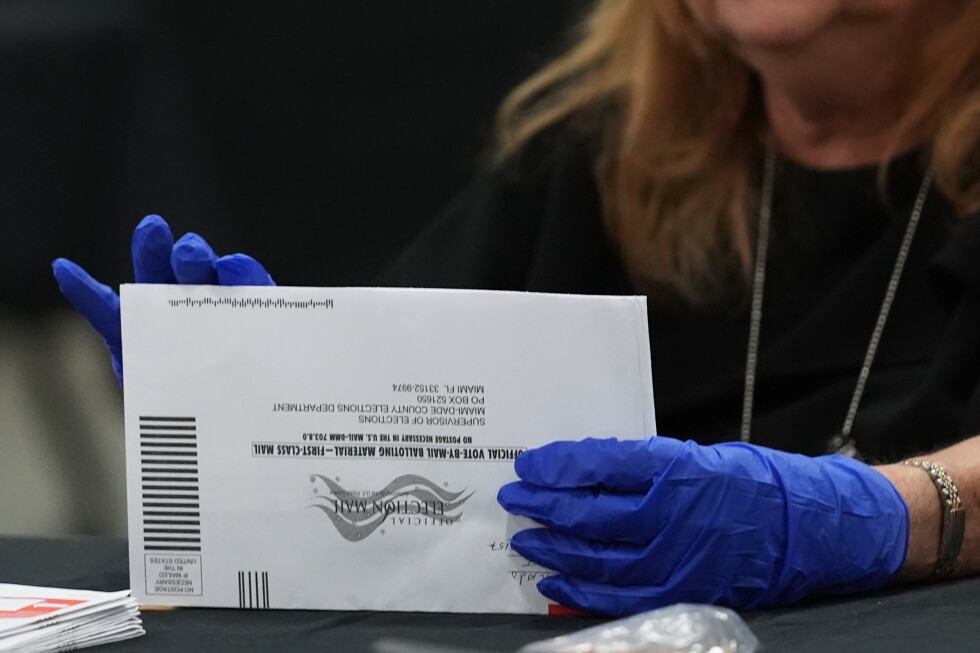
Amidst these developments, the administration has introduced a formal rule dictating the conditions under which the U.S. Postal Service will distribute mail ballots. This has escalated the legal tussle as election officials express concerns over the lack of time to adjust their systems according to these new guidelines. The Postal Service’s requirements include the submission of voter lists by states and specific envelope formatting.
Judge Talwani noted, “Plaintiff states have neither time nor funds to design new mail ballots, seek approval of the new designs, order production of mail ballots, update their own election management systems, train election officials to use the USPS portal and upload citizen data to the portal, all before the midterms.”
The legal implications are significant, as nearly a third of American voters utilize mail ballots. Meanwhile, the White House has not commented on the recent court decision. A court hearing is scheduled for September 3.
New York Attorney General Letitia James criticized the rule, stating, “This rule is a clear attempt by the federal government to interfere in elections it has no power to control. Today, a federal court halted it before this administration could wreak havoc on our elections.” This sentiment is echoed by Democrats and voting rights groups who argue that the Postal Service’s demands are unconstitutional, noting that election rules are typically determined by states or Congress, not federal entities like the Postal Service.
President Trump has consistently opposed mail voting, attributing—without evidence—his 2020 election loss to mail voting fraud, despite being a mail voter himself. A Brookings Institution report from 2025 identified only four cases of fraud per 10 million mail ballots.
The executive order, issued in March, marks Trump’s second election-related order since leaving office. Legal challenges were promptly filed, although the administration initially defended the order by claiming the lawsuits were premature. An initial court victory in Washington, D.C., was later countered by injunctions from Judge Talwani in Boston, aimed at preventing the order’s enforcement in the November midterms.
The Supreme Court’s conservative majority recently nullified one of these injunctions, prompting Judge Talwani to lift the second one reluctantly. However, the plaintiffs have since refiled their cases following the Postal Service’s publication of its final rule, in pursuit of a more lasting resolution.


