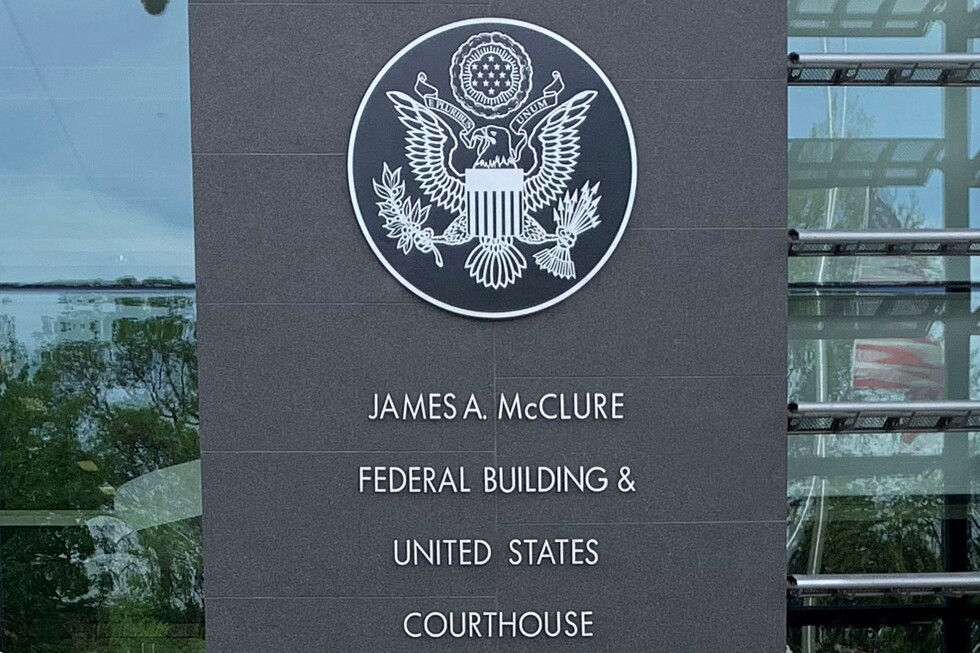
BOISE, Idaho (AP) — A landmark decision by a federal judge has blocked Idaho from prosecuting medical professionals who perform abortions to safeguard a pregnant individual’s health or to prevent self-harm.
U.S. District Judge B. Lynn Winmill ruled that Idaho’s stringent abortion laws, known as the “Defense of Life Act” and the “Fetal Heartbeat Act,” infringe upon the 14th Amendment’s due process and equal protection clauses. These laws impose severe penalties on violators, including potential loss of medical license and imprisonment for up to five years.
Although the laws do provide limited exceptions, such as when an abortion is necessary to prevent the death of a pregnant person or in specific cases of rape or incest accompanied by a police report, the ruling highlights significant legal challenges.
Judge Winmill emphasized in his comprehensive 81-page ruling that the core issue is not about bodily autonomy or reproductive choice but rather about the “limit of the state’s power to make a woman suffer for the sake of an unborn child.” He asserted that the state should not selectively determine which life-threatening conditions warrant an abortion.
“A pregnant woman’s health is not a state resource to be allocated at the legislature’s whim,” Judge Winmill stated.
Idaho’s attorney general plans to appeal
The ruling was welcomed by Dr. Stacy Seyb, a maternal-fetal medicine specialist based in Boise, who initially challenged the law in 2024. Dr. Seyb expressed relief that he can now provide necessary medical care without the fear of legal repercussions, offering options to patients with severe health conditions without them needing to leave Idaho.
On the other hand, Idaho Attorney General Raul Labrador announced intentions to appeal the decision, expressing confidence that the ruling will be overturned. “The Supreme Court made clear that abortion policy belongs to the people and their elected representatives, not a single federal judge,” Labrador stated.
A doctor says the ban forced patients out of state
In his lawsuit, Dr. Seyb argued that he should be able to perform abortions for patients facing significant health risks, including those with a high risk of self-harm due to mental health issues. He also contended that abortions should be permissible when a fetus is diagnosed with a fatal condition, when a miscarriage is inevitable, or in cases of multi-fetal pregnancies where reducing the number of fetuses could improve survival chances for the others.
Lawyers representing Idaho’s prosecutors and the Attorney General countered that Dr. Seyb misinterpreted the state’s abortion ban, claiming it already encompasses most health-preserving abortions. However, Judge Winmill identified a gap between life-saving abortions and those aimed at preventing non-lethal harm. He noted that Dr. Seyb had to refer patients in this gap to other states, including several with serious pregnancy complications who needed to be transported to Utah for treatment.
Judge: Idaho can’t force women to bear permanent damage for a fetus
Judge Winmill likened the situation to forcing a mother to donate a kidney to her child, asserting that the state cannot compel a pregnant woman to endure severe harm for a fetus. Additionally, he highlighted that mental illness should not be treated differently from other health conditions, describing the denial of life-saving care for mental health threats as “an affront to human dignity.”
Dr. Seyb pointed out that suicide and overdose rank among the leading causes of death for pregnant and postpartum individuals in the U.S. Between 2018 and 2021, mental health conditions were identified as the most common underlying cause of maternal death in Idaho, as reported by the state’s Maternal Mortality Review Committee.
In scenarios where there is no significant health risk to the mother, such as when a fetus is expected to die shortly after birth or in multi-gestation pregnancies where aborting one fetus could help others survive, Judge Winmill found no fundamental right at issue. He reasoned that the law aligns with the state’s interest in avoiding abortions based on erroneous fetal diagnoses and respecting the dignity of individuals with severe disabilities.
Moreover, physicians still face potential civil penalties under another state law, which allows extended family members of an aborted fetus to sue the provider for a minimum of $20,000.
Abortion is on the ballot this fall in Idaho and other states
Idaho citizens will vote this fall on whether to repeal the state’s abortion ban. Should the measure pass, it would permit abortions until the point of fetal viability, generally recognized as after 21 weeks.
Meanwhile, voters in Virginia and Nevada, where abortion is legal up to at least 24 weeks, will consider state constitutional amendments to enshrine a right to abortion. In Missouri, the electorate will be asked to overturn a 2024 constitutional amendment to reinstate an abortion ban.