Brazil’s Supreme Court Decision Challenges Soy Moratorium
Brazil’s Supreme Court has delivered a significant ruling impacting the nation’s soy moratorium, a landmark environmental agreement. The court upheld state laws that withdraw tax incentives from farmers adhering to the moratorium, while simultaneously affirming the pact’s constitutionality.
Earlier this year, major grain traders exited the soy moratorium, which had been instrumental in curbing deforestation for nearly two decades. This withdrawal followed the passage of bills in top soy-producing states that removed tax benefits for companies participating in the agreement.
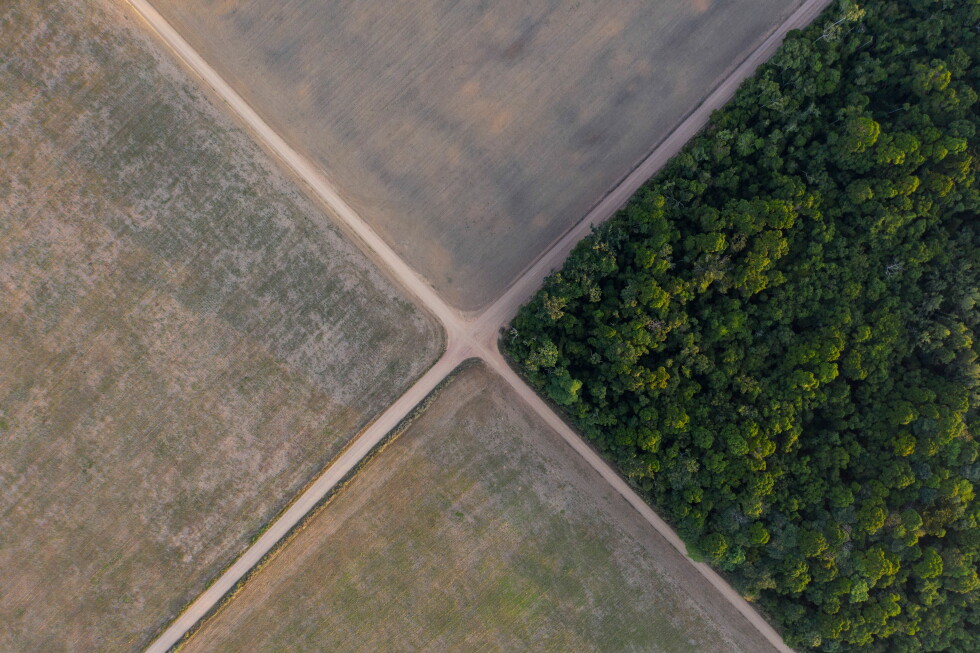
As the world’s leading soybean producer, Brazil contributes approximately 40% of global soybean production. Key regions such as Mato Grosso, Para, and Rondonia, which are part of the Amazon biome, are central to this output.
The Amazon rainforest, the planet’s largest, plays a crucial role in climate regulation not only in South America but globally. Deforestation in this region is a significant concern, with scientists warning of its potential to accelerate global warming and disrupt agriculture across continents.
In the 2024-25 season, Brazil produced 171.5 million metric tons of soybeans, with China being the primary export destination, according to official trade data.
Initiated in 2006 under pressure from environmental groups and international buyers, the soy moratorium was a voluntary commitment, endorsed by the Brazilian government. It prohibited the purchase of soy grown on Amazon land cleared post-July 2008.
Soy producers have criticized the moratorium as being more restrictive than national environmental laws, which allow farmers to clear up to 20% of their land. In contrast, the moratorium enforced a total ban on deforestation.
A study published in the journal Science noted that the moratorium reduced deforestation in risk areas by 35% during its first decade, without affecting productivity. However, its termination could result in 1.4 million hectares of deforestation over the next ten years, exposing an area equivalent to Portugal to legal deforestation.
Deforestation rates in Brazil, which peaked in the 1990s and 2000s, saw a decline until the tenure of former President Jair Bolsonaro, whose administration faced criticism for weakening environmental protections. Under President Luiz Inácio Lula da Silva, deforestation has decreased again, reaching its lowest levels in a decade.
Angela Barbarulo, Greenpeace Brazil’s legal coordinator, emphasized the importance of the court recognizing the moratorium’s constitutionality, while expressing concern over state laws that might undermine its effectiveness. “There is an apparent contradiction between recognizing the environmental importance of the soy moratorium while simultaneously validating state laws that can weaken its effectiveness,” she stated.
The Brazilian Association of Vegetable Oil Industries (ABIOVE) acknowledged that the court’s decision resolves years of legal ambiguity and supports voluntary sustainability efforts by traders. However, ABIOVE’s reference to the moratorium in the past tense suggests the ruling might not reinstate the pact.
ABIOVE expressed hope that the decision would foster a new phase of dialogue within the supply chain, focusing on legal certainty, competitiveness, and sustainability.
The Mato Grosso Soy Producers Association, opposing the moratorium, claimed the ruling affirmed state authority to resist private-sector environmental restrictions exceeding legal requirements and vowed to contest any future agreements with similar constraints.