Trump’s Tariffs Face Legal Challenges Once More
NEW YORK (AP) — Legal battles over tariffs introduced by former President Donald Trump have resurfaced as two lawsuits challenge the recent imposition of tariffs affecting 60 trading partners. Announced Thursday, these tariffs apply double-digit levies on imports, covering an overwhelming 99% of U.S. imports.
The tariffs are enacted under Section 301 of the Trade Act of 1974, justified by the Trump administration as a response to countries failing to curb imports derived from forced labor. Critics, however, argue that the tariffs aim more at replacing previous worldwide tariffs that were invalidated by the Supreme Court in February. These measures coincided with the expiration of temporary 10% global tariffs, which also faced legal scrutiny.
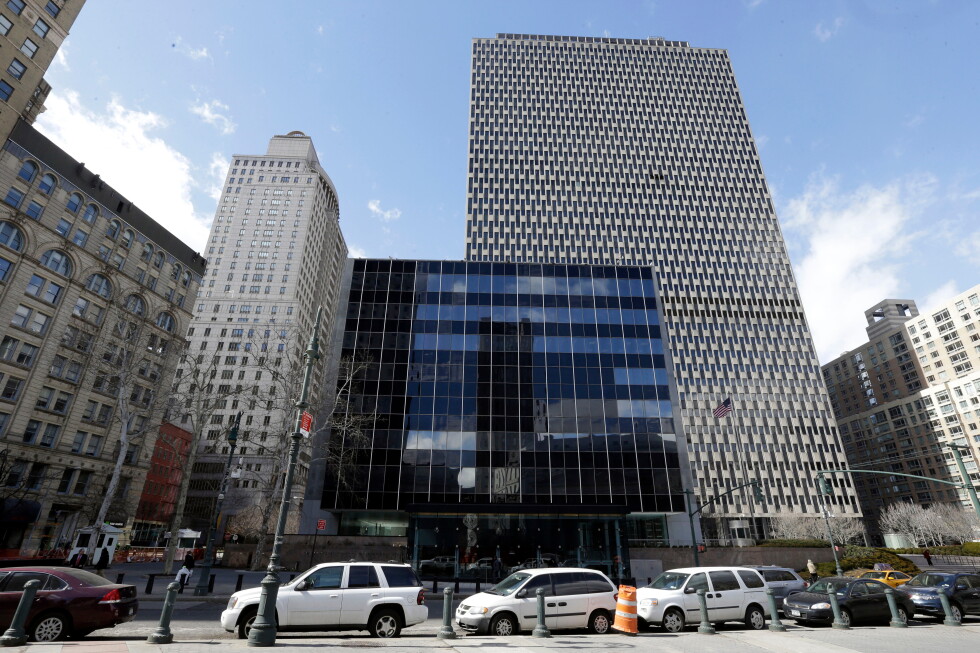
Among the plaintiffs is Learning Resources, an educational toy company, which previously succeeded in a tariff lawsuit in the Supreme Court. Alongside other small businesses, they have filed suit in the Court of International Trade against the new tariffs.
Additionally, the lawsuit includes Burlap and Barrel, a spice company from New York, and Collective Horology, a watch retailer from Ventura, California. Represented by Liberty Justice Center, a libertarian advocacy organization, both lawsuits contend that the government failed to substantiate its claims against each economy individually or detail how the tariffs would effectively address the alleged practices, as mandated by Section 301.
“Forced labor is morally indefensible, but an important objective does not give the government permission to ignore the law,” stated Sara Albrecht, chairman and CEO of the Liberty Justice Center. “The administration allowed one global tariff to expire and immediately replaced it with another under a different statute. Changing the statute doesn’t change the law.”
There has been no immediate response from the White House regarding these legal challenges.
Legal experts suggest that disputing this new series of tariffs could present more challenges than previous instances. During Trump’s first term, Section 301 was employed to impose substantial tariffs on China, which withstood court challenges.
Unlike the Section 122 tariffs that recently expired, lawyer Patrick Childress, a partner at Holland & Knight and former U.S. trade official, noted, “these tariffs will be with us for the long haul.”
Even if nations adopt the required policies by the U.S., they must still demonstrate enforcement to Washington’s satisfaction before any tariffs can be removed. “This suggests that no short-term path for country-wide relief from the new Section 301 tariffs will be available,” Childress added.