New Tariffs Imposed by Trump Administration
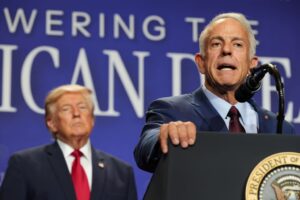
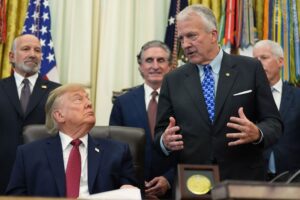
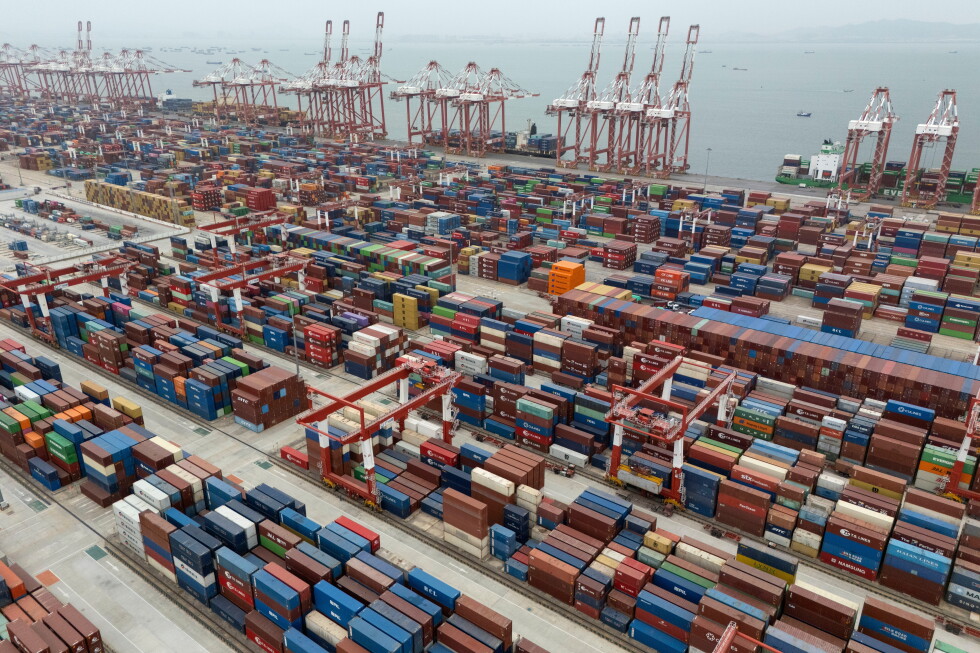
President Donald Trump has implemented new tariffs on imports from 60 trading partners, a move that affects 99% of U.S. imports. These tariffs are purportedly in response to insufficient action by these nations to prevent imports produced by forced labor. However, the scale of the tariffs suggests they may also be intended to replace global tariffs previously struck down by the Supreme Court.
The latest tariffs, ranging from 10% to 12.5%, came into effect as temporary global tariffs expired. This action has garnered criticism from both international partners and domestic critics, who argue that it will lead to increased costs for consumers. “This is a blatant attempt to revive Trump’s illegal global tariffs under a different name,” stated Oregon Sen. Ron Wyden.
Structure and Impact of Tariffs
The tariffs apply to different countries based on their enforcement of laws against forced labor. A 12.5% rate is assigned to countries lacking such laws, while a 10% rate is for those with inadequate enforcement. Certain products like oil, fertilizers, and items under national security tariffs are exempt.
The new levies are grounded in Section 301 of the Trade Act of 1974, which allows for import taxes against unfair trade practices. Trump’s strategy aims to bolster U.S. manufacturing but risks political fallout, with Americans already dealing with high living costs as elections approach.
Business Reactions and Economic Implications
Businesses anticipated the new tariffs, leading to record import volumes in July as companies prepared for increased costs. Although the overall tariff rate remains stable, firms are cautious about potential future increases under Section 301.
The National Retail Federation expressed concerns, stating that higher tariffs result in increased costs for businesses and consumers. Footwear prices have already seen a rise, with further increases expected due to rising fuel costs linked to geopolitical tensions.
Forced Labor Justification and Criticism
The administration defends the tariffs as a measure against forced labor. U.S. Trade Representative Jamieson Greer emphasized the need for trading partners to enforce similar bans. However, this justification has faced backlash from countries like Australia and the European Union, who view the tariffs as unjustified.
Critics argue that the issue of forced labor requires more effective solutions beyond tariffs. “Forced labor is a complex, multifaceted issue, and the proposed tariffs will not remedy this global problem,” wrote the Forced Labor Working Group in a letter to Greer.
Financial Consequences for the U.S. Treasury
The previous tariffs under the IEEPA brought significant revenue, which supported Trump’s tax cuts. However, after their nullification, tariff collections decreased, resulting in financial losses for the U.S. Treasury.
The Committee for a Responsible Budget estimates that the new tariffs will only compensate for a portion of the revenue lost, covering less than 60% of the gap left by the Supreme Court’s decision.