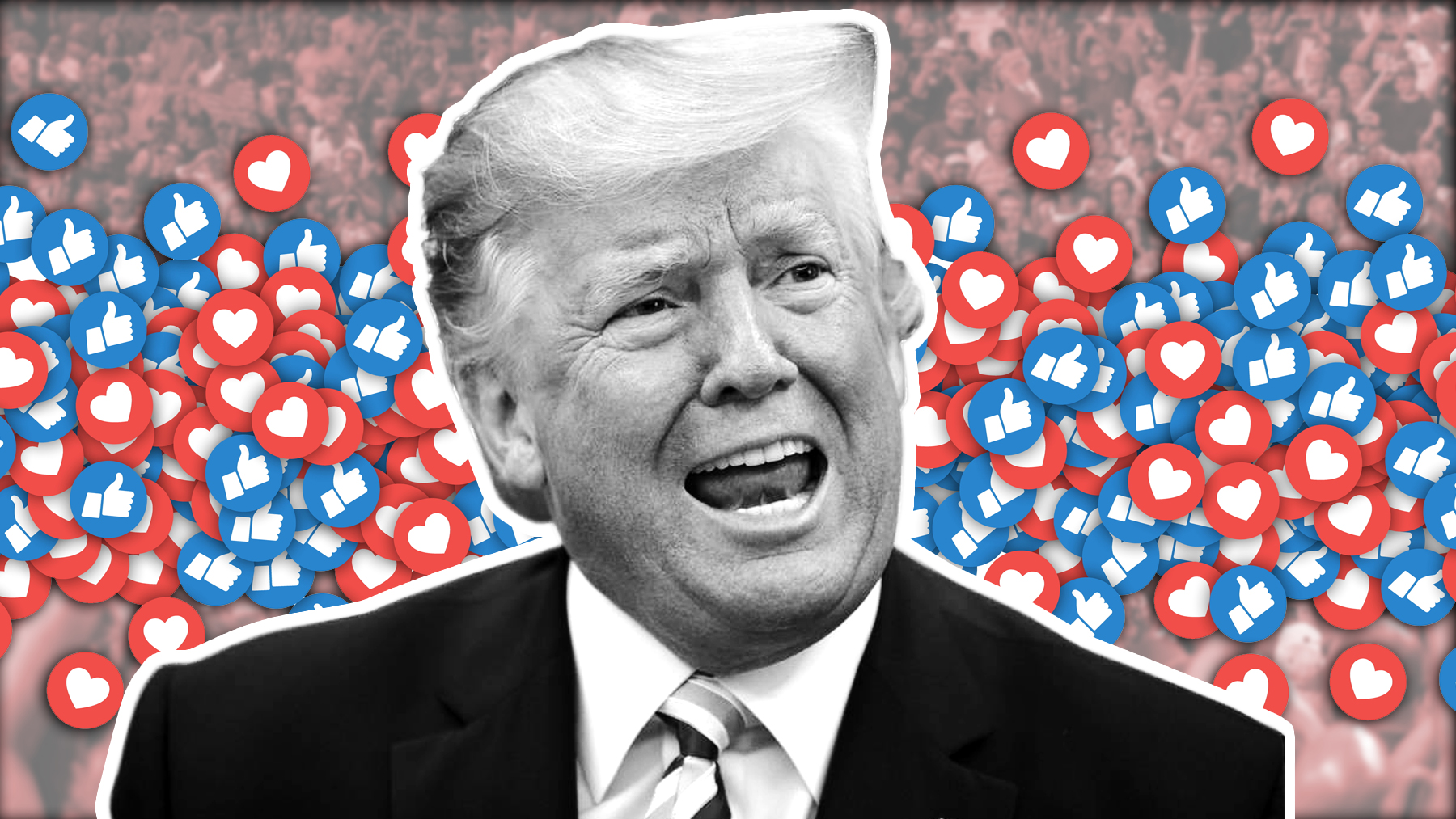
Prevalence of Election Misinformation on Social Media Platforms
Despite efforts by social media companies to curb misinformation following the January 6 insurrection at the U.S. Capitol, false claims about electoral fraud continue to spread on platforms like Twitter and TikTok, according to a recent report by Advance Democracy, Inc., a nonpartisan nonprofit research organization.
The study highlights that while direct calls for violence have decreased since the Capitol attack, messages suggesting that the 2020 election was rigged or stolen are still widespread. This follows a period when misinformation and disinformation were rampant, with far-right figures such as Ali Alexander and QAnon influencer Lin Wood promoting the false narrative that the election was stolen from former President Donald Trump.
Actions Taken by Social Media Platforms
After the Capitol insurrection, Twitter took significant steps to combat election misinformation and the spread of QAnon conspiracy theories, including removing 70,000 QAnon-related accounts and suspending the account of the former president. TikTok also implemented measures to limit misinformation, such as restricting searches for certain terms and banning specific hashtags related to election fraud.
Persistent Misinformation
However, misinformation has not been entirely eradicated. In the year following January 6, two hashtags—#electionfraud and #voterfraud—were used in approximately 139,000 posts on Twitter. A notable example includes a tweet from the now-suspended @AZCountryPatri1 account, which featured a video of Hillary Clinton and claimed to reveal a plan to steal the election. This tweet was amplified by far-right activist Jack Posobiec, who retweeted it to his 1.5 million followers.
Additionally, Kelli Ward, chair of the Arizona GOP, posted a tweet in September urging followers to use the hashtags #ElectionFraud and #Decertify, resulting in nearly 4,700 engagements. Texas Attorney General Ken Paxton also contributed to the spread of voter fraud allegations on Twitter.
Advance Democracy, Inc. also tracked other hashtags, such as #BidenCheated, #StolenElection, and #TrumpWon2020, which appeared in tens of thousands of posts. These numbers indicate that election misinformation remains a significant issue on Twitter.
Election Misinformation on TikTok
On TikTok, videos using hashtags related to false claims about the 2020 election have garnered millions of views. For instance, the hashtags #TrumpWon2020 and #ItsNotOverTrump2020 received 3.6 million and 11.1 million views, respectively. One video promoting Mike Lindell’s “documentary” on election fraud, featuring QAnon celebrity Mike Flynn, accrued nearly 9,000 views.
Another TikTok video, posted in August, included an audio clip of Trump saying, “If you fuck around with us, if you do something bad to us, we are going to do things to you that have never been done before.” The video, which featured the hashtags #TrumpWon2020, #wethepeoplearepissed, and #standup, had over 6,700 views and 1,600 likes by January.
Future Concerns
While efforts by social media companies to remove accounts spreading disinformation and conspiracy theories have had some impact, the persistence of election misinformation raises concerns as the 2022 midterm elections approach. Disinformation experts worry about the platforms’ ability to handle new waves of election-related disinformation without leading to another event like the January 6 insurrection.
With the Republican Party pushing for stricter voting measures and right-wing activists targeting local election officials, the threat of misinformation remains a significant challenge for social media platforms.