Alaska’s Health Insurance Dilemma: Rep. Nick Begich’s Role
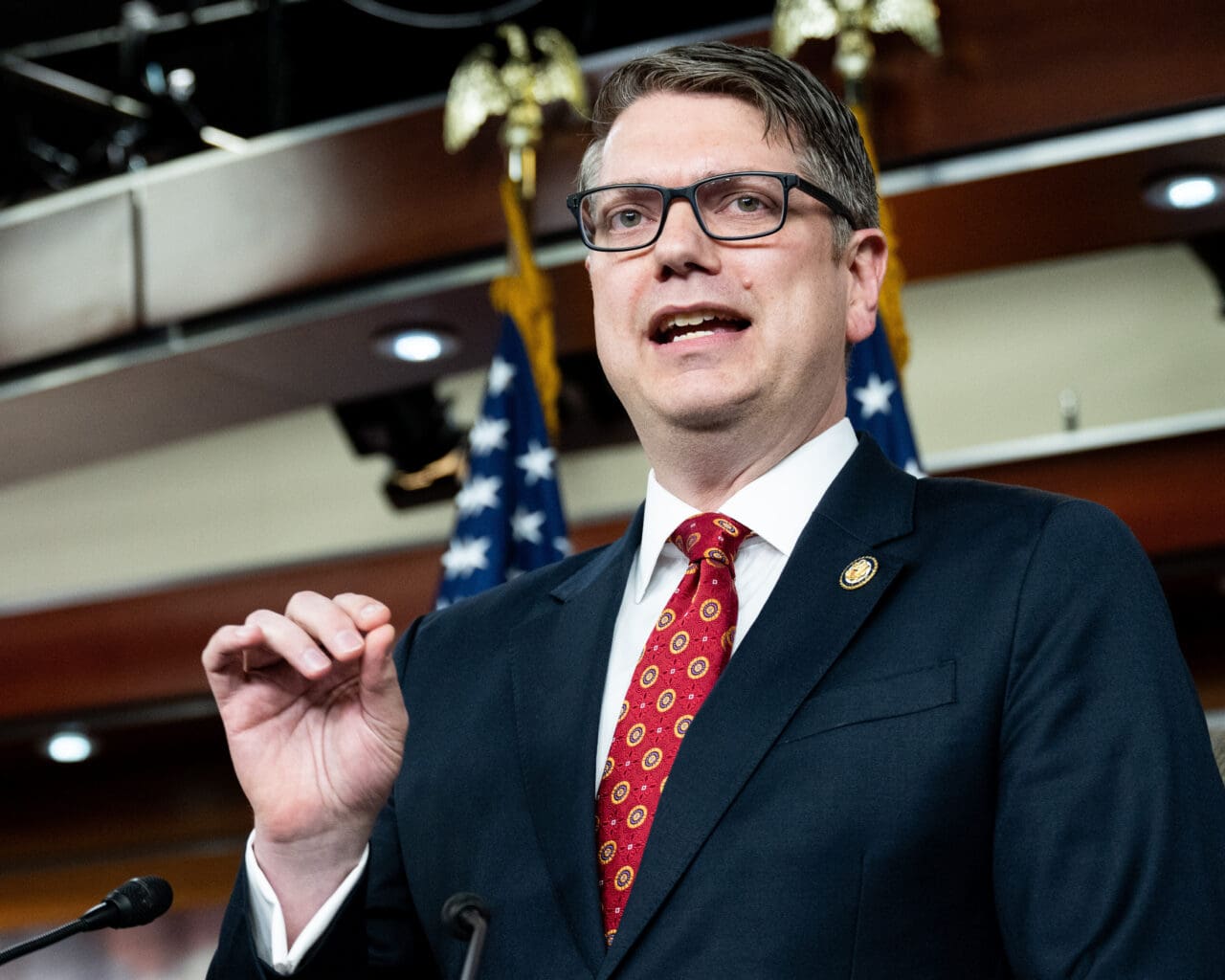
Alaska Representative Nick Begich, who initially campaigned on the promise of reducing health insurance costs, is now facing criticism for his voting record that seemingly limits access to affordable healthcare. As he vies for a second term, the cost of healthcare remains a critical issue in Alaska. The state continues to experience some of the highest health insurance rates in the United States, with the average monthly premium for a standard plan reaching $1,032. This is partly due to Alaska’s sparse population and challenging geography, which restrict the size of insurance pools and complicate staffing at medical facilities.
Begich has criticized lawmakers for only paying lip service to these issues without offering solutions, yet his actions have focused on advocating for significant reductions to Medicaid and the Affordable Care Act (Obamacare). These programs currently insure over 35% of Alaska’s residents. According to his campaign website, “Reforms are needed to drive down the cost of health care. Political rhetoric isn’t going to do it. It’s going to require commitment, tenacity, and hard work.”
The One Big Beautiful Bill Act (OBBB), which Begich supported, aims to cut $1 trillion from Medicaid by 2034. Passed solely with Republican support, the bill reallocates the bulk of these savings to tax breaks for the ultrawealthy. This legislative change is expected to result in nearly 36,000 Alaskans losing their health insurance.
The reduction in Medicaid funding is also set to impact Alaska’s healthcare infrastructure, with 14 hospitals facing a combined $63 million loss in revenue. These facilities rely heavily on Medicaid reimbursements, and experts warn that the cuts could lead to closures. Joe Wanner, CEO of Bartlett Regional Hospital in Juneau, mentioned to KTOO that his hospital anticipates an annual loss of $3 million to $4 million in Medicaid spending, expressing uncertainty about the long-term effects.
Despite these concerns, Begich heralded the OBBB’s passage, stating in a May 2025 press release that the act would “unlock opportunities” and “generate revenue.”
Recently, Begich opposed a bipartisan initiative aimed at extending Obamacare tax credits that helped keep insurance premiums low for 22 million Americans, including over 25,000 Alaskans. Without these credits, some individuals have experienced premium increases as high as 346%, translating to an average rise of $909 annually. The nonpartisan Congressional Budget Office (CBO) estimates that between 2 to 5 million Americans might opt to drop their insurance due to these increased costs.
Mark Robokoff, an Alaskan small business owner, shared his frustration with the Anchorage Daily News, noting that his monthly premium surged by 300%. “I need my government, specifically my congressional delegation, to speak for me,” Robokoff stated. “I feel absolutely abandoned.”
The Democratic contender challenging Begich will be determined in the upcoming primary on August 18.
—
Read More Kitchen Table News